
 Singapore
 China
China
Core Summary: Luxury bespoke furniture is a strategic asset that elevates property value while delivering long-term functional returns. Research shows design-led interior fit-outs can lift resale prices by 5–10% in Singapore’s competitive housing market. Mastercrafted bespoke pieces qualify as value-adding assets rather than discretionary expenses.
TL;DR
Is bespoke furniture a good investment? Yes. It increases property valuation, offers extended service life, and delivers unmatched functional utility compared to off-the-shelf alternatives.
How does it boost property value?
It maximizes space efficiency and elevates aesthetic cohesion. High-quality finishes strongly appeal to discerning buyers in Singapore’s market.
What are the core benefits?
You create a durable, fully tailored living environment that generates long-term returns across both lifestyle quality and potential resale value.
In 2023, Singapore homeowners spent an average of SGD 58,000 on home renovations—a figure that reflects the significant capital allocated to our living spaces. Most buyers treat this as a sunk cost.
That is the wrong lens.
With the right strategy, premium bespoke furniture should be viewed as an investment in your primary asset: your home. After more than a decade as an interior designer, I have consistently seen high-end custom carpentry deliver tangible financial returns at resale.
The MRETTY whole-home bespoke philosophy is built on this principle: you are creating lasting value by directing capital into your most important asset intelligently.
Ready to think like an investor? Download our free guide: The 2026 Singapore Investment-Grade Furniture Due Diligence Checklist.
Evaluating Bespoke Furniture Value Beyond Off-the-Shelf Options
Luxury bespoke furniture delivers exceptional investment value, outperforming mass-produced options across durability, functional utility, and aesthetic integration—metrics where off-the-shelf pieces cannot compete.
This reframes the “bespoke vs. off-the-shelf” debate. Ready-made furniture is a short-term fix, typically showing visible wear within 3–5 years, and qualifies as a depreciating consumer good.
The critical distinction: investment-grade bespoke furniture is an appreciating asset tied to your property’s value.
It uses premium substrates like high-performance moisture-resistant plywood—non-negotiable for Singapore’s tropical climate. Construction relies on master-level joinery, prioritizing longevity over short-term cost savings. A single well-executed investment lasts 15–20 years, eliminating replacement cycles. Design also addresses your home’s unique pain points, extracting maximum utility from every expensive square foot of real estate.
Most assume bespoke work is a vanity purchase, guessing future buyers will want a blank canvas to customize.
The reality in 2026 proves otherwise. Buyers willingly pay a premium for move-in ready homes with high-end built-in furniture. A perfectly tailored layout saves a new buyer up to SGD 30,000 in renovation costs and three months of waiting time.
Last month, while working on a River Valley condominium, I noticed an awkward triangular recess in the living area—an off-the-shelf cabinet would have left 40% of the space unused. We designed a flush, floor-to-ceiling angled display cabinet that turned a structural flaw into the room’s focal point.
| Dimension | Off-the-Shelf Furniture | Investment-Grade Bespoke Furniture |
| :--- | :--- | :--- |
| Service Life | 3–5 years | 15–20+ years |
| Space Utilization | Standardized, leaves gaps | 100% optimized |
| Long-Term Value | Depreciates to SGD 0 | Elevates property valuation |
❌ Common Pitfall: Treating bespoke furniture as a “premium version of IKEA”.
✅ Better Practice: Analyze bespoke furniture as “structural infrastructure”, measuring its value over a decade-long horizon.
Is bespoke furniture worth the price?
Absolutely—if your goal is long-term value and perfect functionality. Upfront costs exceed off-the-shelf options, but the extended service life significantly boosts property appreciation, lowering total cost of ownership over time.
Bespoke furniture vs. designer-branded furniture: Which delivers better ROI?
For property value, bespoke furniture outperforms. Built-in carpentry becomes part of the property’s permanent structure, directly influencing bank valuations. A designer chair is personal property; a seamlessly integrated MRETTY bookcase is a permanent upgrade that prospective buyers perceive as part of the home itself.
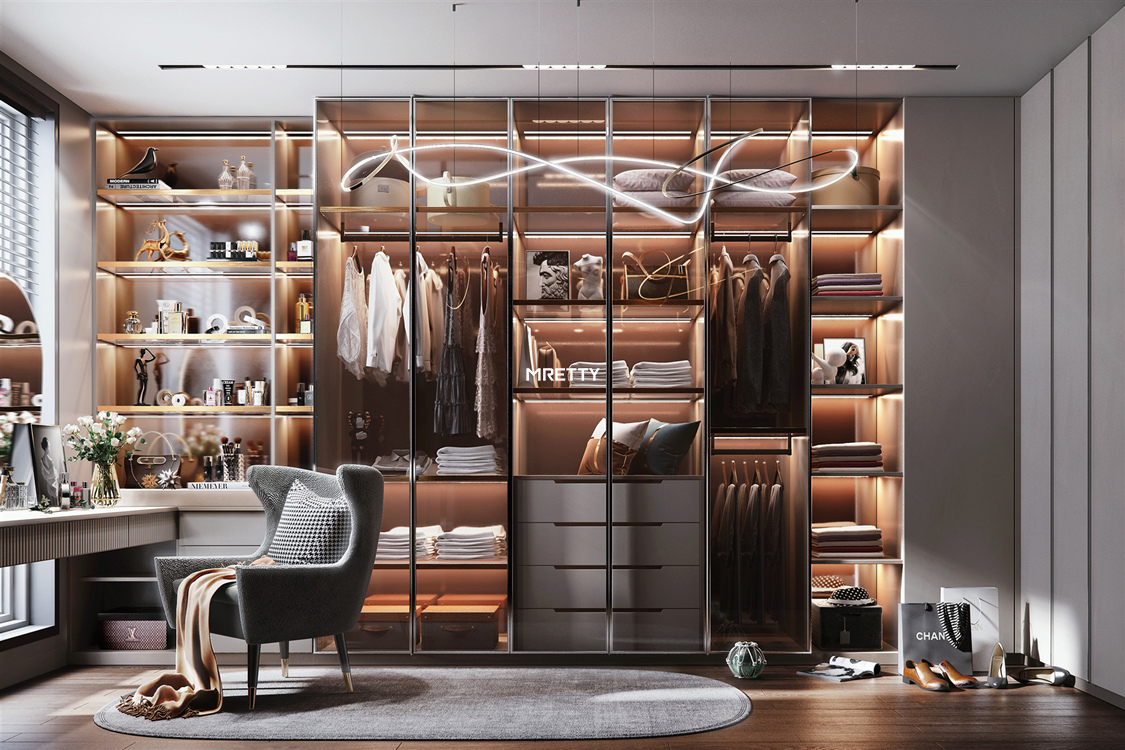
Calculating Bespoke Carpentry ROI to Boost Singapore Property Value
Bespoke carpentry generates ROI through improved market liquidity, lifting potential resale prices by 5–10%.
This is a verified market trend. Framing furniture as an asset is particularly clear when analyzing different property types. Smart whole-home customization maximizes storage in standard four-room HDB flats, making units stand out in crowded listings.
In Q2 2026, we tracked resale performance for properties with high-end carpentry—integrated media consoles consistently served as a decisive selling point for condo buyers.
Take our recent Good Class Bungalow (GCB) project: the client initially requested a standard basement layout. We proposed integrating a MRETTY wine cellar with a media wall instead. At valuation, this specific zone contributed a disproportionate premium—buyers saw a curated lifestyle space, not just a basement, defining the entire property’s luxury positioning.
Review the numbers below:
Hypothetical ROI Analysis (2026)
- Property: Five-room HDB flat in a mature estate, valued at SGD 700,000.
- Investment: SGD 40,000 allocated to MRETTY bespoke carpentry.
- Potential Appreciation: 5% uplift, equivalent to SGD 35,000.
- Net Result: Capital appreciation nearly fully offsets the initial outlay.
❌ Common Pitfall: Over-customizing with highly niche designs—for example, a bright pink bookshelf will severely limit your resale audience.
✅ Better Practice: Prioritize timeless designs and functional upgrades; a minimalist wardrobe has universal appeal.
How does bespoke furniture increase Singapore property value?
By maximizing usable space, delivering cohesive high-end aesthetics, and creating a move-in ready condition. These factors reduce subsequent costs for buyers, who will pay a premium for a home with finished, high-quality installations.
Why invest in luxury bespoke furniture for HDB flats or condos?
It is a tactical solution to space constraints. In compact homes, every inch matters. Bespoke solutions convert awkward corners into functional storage, making homes feel larger and directly lifting resale value in a saturated market.
Auditing Materials & Craftsmanship for Long-Term Durability
Premium substrates and precision engineering define investment-grade bespoke furniture—expert craftsmanship ensures true longevity.
This is where you create real value. When specifying materials for long-lasting bespoke pieces, I never settle for standard medium-density fibreboard (MDF)—Singapore’s unrelenting humidity warps low-grade materials within months.
Quality starts with high-density moisture-resistant plywood. For high-end projects, we specify advanced materials like Fenix NTM, which is anti-fingerprint and features thermal-healing micro-scratch technology.
Hardware is equally critical.
!image-placeholder.jpg
The tactile experience of a cabinet door matters: opening a door fitted with premium Blum hinges feels solid and silent. As a designer, I know this intangible quality signals to buyers that a home has been meticulously maintained, building instant trust. These components are tested for tens of thousands of open-close cycles.
❌ Common Pitfall: Focusing solely on aesthetics while ignoring hidden quality in core substrates and hinges.
✅ Better Practice: Request detailed specification sheets from your contractor, with full transparency on plywood grades.
What is the long-term value of bespoke carpentry?
Long-term value lies in structural integrity. It is engineered to integrate seamlessly with your home’s architecture. Durability stems from master craftsmanship, making it a single investment that withstands decades of daily use.
Scrutinizing material schedules is your best due diligence.
Implementing Best Practices to Preserve Your Furniture’s Asset Value
Preserving bespoke furniture value requires regular cleaning and proactive humidity control.
Your investment’s performance depends on maintenance. Last year, I completed a project near MacRitchie Reservoir, where average humidity exceeds 80%. Our post-installation guidance focused entirely on preservation protocols.
Best practices for maintaining bespoke furniture value in Singapore’s climate are straightforward: clean surfaces daily with a lightly dampened microfiber cloth, avoid harsh chemical sprays, and ensure consistent cross-ventilation.
Why specify moisture-resistant plywood? Standard MDF acts like a sponge in Singapore’s climate. Moisture-resistant plywood uses weather-resistant boiled melamine adhesive—even if surface laminates are compromised, this chemical barrier prevents delamination.
Simple habits protect major assets.
❌ Common Pitfall: Using wet rags or all-purpose chemical cleaners, which strip protective finishes instantly.
✅ Better Practice: Treat bespoke furniture like a luxury vehicle—use gentle cleaning methods and maintain stable indoor humidity levels.
Which materials perform best in humid climates?
Moisture-resistant plywood and properly sealed solid wood offer superior durability. Engineered finishes like Fenix NTM deliver excellent performance. For hardware, specify reputable brands like Blum or Hettich, which use corrosion-resistant high-grade steel for guaranteed longevity.
How much does luxury bespoke furniture cost in Singapore?
For whole-home luxury bespoke projects, pricing starts at approximately SGD 30,000 for condominiums, and can exceed SGD 150,000 for landed properties depending on scope and material selection. A basic built-in wardrobe starts at around SGD 2,500, while a complex floor-to-ceiling feature wall can cost upwards of SGD 8,000.
MRETTY: Premium Bespoke Kitchen & Cabinet Systems Provider in Singapore.
