
 Singapore
 China
China
Building or renovating a home is a journey filled with excitement and numerous decisions. From the layout of your dream kitchen to the finish of your walk-in wardrobe, every detail contributes to the aesthetics and functionality of your living space. However, there is an invisible element that is often overlooked but plays a critical role in the safety and health of your home: the adhesive used in your cabinetry and woodwork. Choosing the right Formaldehyde-free adhesive brands is not just a technical detail; it is a fundamental decision for ensuring acceptable indoor air quality and a non-toxic environment for your family.
In this comprehensive guide, we will delve deep into the world of non-toxic bonding agents. We will explore why formaldehyde has been a standard in the industry, the health risks associated with it, and the revolutionary shift toward formaldehyde-free alternatives. We will also examine how leading bespoke furniture providers like MRETTY are setting new standards by integrating these safe adhesives into every cabinet, wall panel, and door we craft.
The Hidden Danger: Understanding Formaldehyde in Furniture
To appreciate the value of Formaldehyde-free adhesive brands, it is essential to understand what we are avoiding. Formaldehyde is a colorless, strong-smelling gas often found in aqueous solutions used as preservatives and disinfectants. In the furniture industry, urea-formaldehyde (UF) resins have historically been the adhesive of choice for binding wood particles in particleboard, plywood, and medium-density fiberboard (MDF).
Why Formaldehyde Was Historically Used
Cost-Effectiveness: It is incredibly cheap to produce.
Fast Curing: It allows for rapid manufacturing speeds.
Strong Bond: It creates a rigid hold suitable for standard furniture.
Health Risks of Formaldehyde Exposure
However, the cost of using formaldehyde-based glues is paid in health. These adhesives can "off-gas" for years after installation, releasing carcinogenic fumes into your home. Prolonged exposure can lead to:
Respiratory issues and irritation of the eyes, nose, and throat.
Skin sensitivity and allergic reactions.
Increased risk of certain cancers (classified as a human carcinogen by the IARC).
"Sick Building Syndrome," causing headaches and fatigue.
For Singaporean families, especially those with young children, the elderly, or members with asthma, the presence of off-gassing furniture is a significant concern. This is why the industry is pivoting toward safer, Formaldehyde-free adhesive brands and technologies.
The Revolution of Formaldehyde-Free Adhesives
The shift towards eco-friendly manufacturing has given rise to advanced adhesive technologies that do not compromise on strength while eliminating toxic emissions. When we talk about Formaldehyde-free adhesive brands, we are generally referring to industrial-grade adhesives used by premium manufacturers. These typically fall into a few categories:
1. MDI (Methylene Diphenyl Diisocyanate) Adhesives
MDI is a breakthrough in composite wood manufacturing. Unlike urea-formaldehyde, MDI forms a chemical bond with the wood fibers, creating a moisture-resistant and incredibly strong board. It contains no added formaldehyde (NAF), making it one of the safest options for indoor environments.
2. Bio-based Adhesives (Soy and Lignin)
Inspired by nature, some leading chemical brands have developed adhesives derived from soy flour or lignin. These are renewable, sustainable, and completely non-toxic. They are often used in the production of premium plywood and specialized interior panels.
3. PUR (Polyurethane Reactive) Hot Melts
For edge banding—the process of covering the raw edges of panels—PUR glue is the gold standard used by top-tier manufacturers like MRETTY. While traditional EVA glue can melt and peel over time, PUR cures to form a bond that is impervious to heat and moisture, and crucially, creates a nearly invisible glue line without releasing harmful solvents.
MRETTY vs. The Market: A Commitment to Safety
In the crowded market of custom furniture, the difference often lies beneath the surface. Many mass-market providers or budget renovation contractors typically utilize standard carpentry methods that rely on solvent-heavy contact glues or boards manufactured with high-emission urea-formaldehyde resins. While these options may seem cost-effective initially, they compromise the long-term health of your home environment.
MRETTY stands apart by rigorously selecting materials and manufacturing partners that adhere to the strictest safety standards.
| Feature | Standard Market Competitors | MRETTY Bespoke Solutions |
| :--------------------- | :------------------------------------ | :------------------------------ |
| Adhesive Base | Often Urea-Formaldehyde (High Emissions) | MDI / PUR (No Added Formaldehyde) |
| Edge Banding | Traditional EVA Glue (Visible lines, less durable) | PUR Technology (Seamless, moisture-proof) |
| Material Certification | Variable, often uncertified | E0 / Super E0 / F** Standards |
| Odor | Distinct chemical smell (Off-gassing) | Neutral, clean wood scent |
| Moisture Resistance | Low to Medium | High (Due to superior bonding agents) |
| Health Focus | Minimal | Priority on family health & safety |
At MRETTY, we believe that true luxury includes peace of mind. By integrating technologies from top Formaldehyde-free adhesive brands into our manufacturing process, we ensure that your kitchen cabinets, bedroom wardrobes, and study units are as safe as they are beautiful.
Application Areas: Where Safe Adhesives Matter Most
The impact of adhesive choice varies depending on the application. In a full-house customization project, specific areas require stricter adherence to non-toxic standards due to humidity, heat, or enclosure.
1. The Kitchen: Heat and Humidity Resistance
The kitchen is a high-stress environment for furniture. Cabinets near ovens and cooktops are exposed to heat, while sink units face constant moisture.
The Challenge:
Heat can cause traditional formaldehyde glues to degrade and off-gas more intensely. Moisture can cause cheap glues to fail, leading to swelling boards.
The MRETTY Solution:
We utilize high-performance, moisture-resistant boards bonded with formaldehyde-free resins. Our PUR edge banding ensures that steam and water cannot penetrate the seams, preventing bacterial growth and structural failure while maintaining zero emissions.
2. The Bedroom: The Sanctuary of Sleep
You spend a third of your life in your bedroom. Sleeping in a room filled with cabinets off-gassing formaldehyde can disrupt sleep quality and respiratory health.
The Challenge:
Wardrobes and walk-in closets are often kept closed. If the internal carcasses are made with high-emission glues, toxic concentrations build up inside, coating your clothes in invisible chemicals.
The MRETTY Solution:
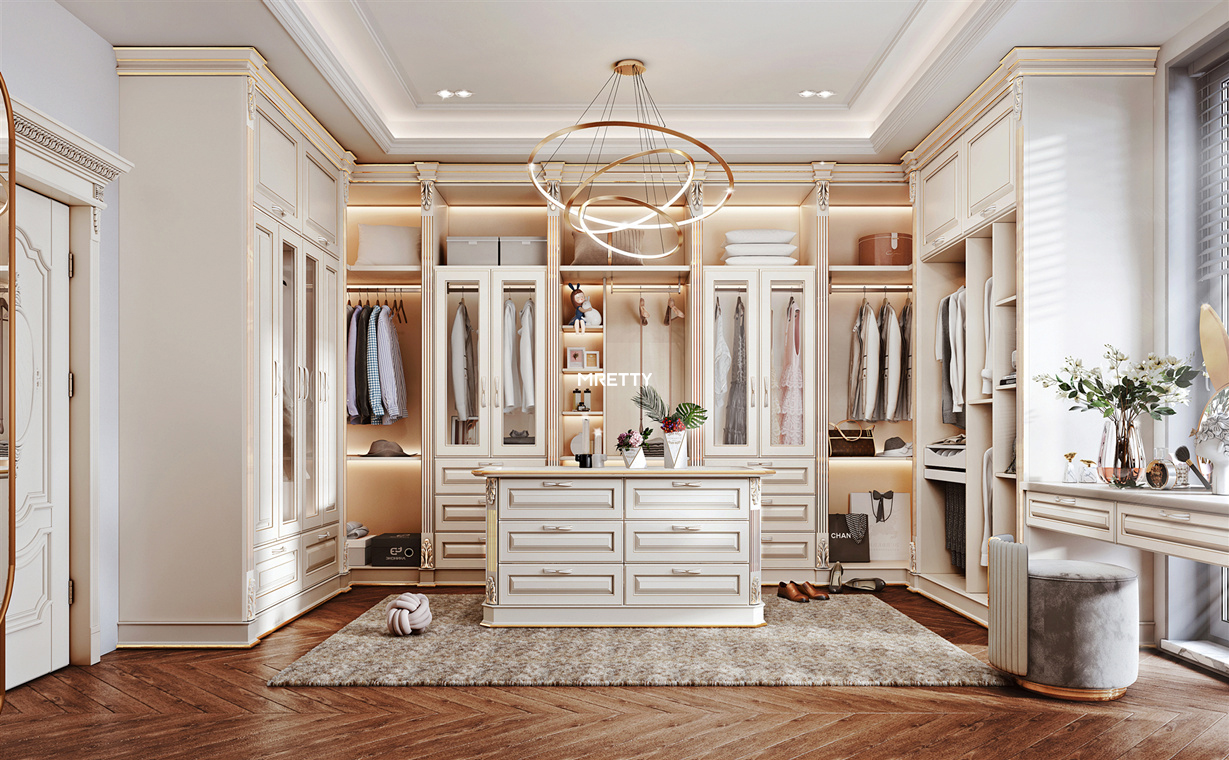
Our custom wardrobes utilize substrates that meet the highest international safety standards (Super E0). Whether it’s a sliding door system or an open-concept walk-in closet, the air remains fresh and pollutant-free.
3. The Nursery and Study: Protecting the Vulnerable
Children are more susceptible to chemical pollutants due to their higher respiration rates and developing bodies.
The Challenge:
Study desks and bookshelves are often in close proximity to the user.
The MRETTY Solution:
We strictly recommend formaldehyde-free cores for all nursery and kids' room furniture. From the study desk to the toy storage units, every piece is verified safe for prolonged contact.
Top Industrial Adhesive Technologies We Trust
While MRETTY is the designer and manufacturer of your furniture, we rely on the science provided by global leaders in adhesive technology. We benchmark our material sourcing against the innovations of giants in the chemical industry known for their eco-friendly bonding agents.
Henkel (Germany): A pioneer in PUR hot melts, Henkel’s Technomelt series is often the benchmark for invisible, waterproof edge banding that is free from hazardous solvents.
Jowat (Germany): Known for their bio-based initiatives and high-strength furniture glues that support sustainable manufacturing.
Kleiberit (Germany): Specialists in reactive PUR adhesives that offer extreme durability without the environmental penalty of traditional solvents.
By aligning our supply chain with the standards set by these industrial Formaldehyde-free adhesive brands, MRETTY guarantees that the 'glue' holding your home together is world-class.
Choosing the Right Customization Partner: A Checklist
When shopping for full-house customization—be it kitchen islands, sideboards, or entrance shoe cabinets—don't just ask about the color or the price. Ask the hard questions about safety.
Ask about the Grade: Request E0 or Super E0 board ratings. In Japan, F (F-Four-Star) is the highest standard, and it's a benchmark we strive towards.
Ask about the Edge Banding: Ask if they use PUR glue. If they use EVA, know that it is less resistant to heat and water.
Smell the Difference: Visit the showroom. Open a drawer. A sharp, stinging smell is a red flag for formaldehyde. MRETTY showrooms are designed to demonstrate the odorless nature of quality materials.
Check the Certifications: Look for suppliers who use FSC-certified materials, ensuring not just safety but environmental responsibility.
MRETTY's Related Products & Solutions
Explore MRETTY’s range of safe, sustainable, and stylish bespoke solutions:
Eco-Friendly Kitchen Systems: Minimalist designs featuring moisture-proof cores and safe bonding agents.
Pure-Air Wardrobes: Custom walk-in and reach-in closets designed for maximum storage and zero emissions.
Safe-Haven Nursery Furniture: Desks and storage units crafted specifically for child safety.
Formaldehyde-Free Wall Paneling: Sophisticated wood cladding that enhances aesthetics without polluting indoor air.
- Bespoke Bathroom Vanities: Water-resistant cabinetry utilizing PUR technology for longevity in wet zones.
Customer Showcase: Real Homes, Real Safety
The Wongs, Punggol Drive (HDB 5-Room):
"We have a toddler with sensitive skin, so air quality was our number one priority. We spoke to several ID firms, but MRETTY was the only one who could explain the difference in adhesive technologies clearly. We did our entire kitchen and master wardrobe with them. There was absolutely no chemical smell even on the day of installation. It gives us such peace of mind."
Mr. Farhan, East Coast (Condominium):
"I wanted a very specific dark wood look for my study and living room feature wall. I was worried about the 'new renovation smell' lingering for months. The team at MRETTY assured me their formaldehyde-free panels would solve this. They were right. The joinery is flawless, and the air feels fresh. The custom shoe cabinet they built is also fantastic."
Frequently Asked Questions (FAQ)
1. Is Formaldehyde-Free Furniture More Expensive?
While the raw materials and advanced adhesives (like MDI and PUR) cost slightly more than standard solvent-based options, the difference in the final project cost is marginal compared to the health benefits. At MRETTY, we view this not as an added cost, but as a standard specification for luxury living.
2. Does Formaldehyde-Free Mean the Glue is Weak?
Not at all. In fact, modern Formaldehyde-free adhesive brands utilizing MDI or PUR technology often create stronger, more moisture-resistant bonds than older urea-formaldehyde glues. You get superior durability alongside safety.
3. What Specific Furniture Items Does MRETTY Customize?
We specialize in full-house fixed furniture systems. This includes Kitchen Cabinets, Kitchen Islands, Bedroom Wardrobes, Walk-in Closets, Study Tables and Bookshelves, Bathroom Vanity Units, TV Consoles and Sideboards, Entrance Shoe Cabinets, and Wood Wall Paneling.
4. How Do I Verify the Materials Used?
We are transparent about our sourcing. During your consultation, we can provide data sheets and certifications for the boards and adhesives we use, ensuring they meet E0 or better standards.
5. Can I Retrofit My Existing Cabinets with Safe Adhesives?
Unfortunately, the adhesive is integral to the board's structure and the edge banding process. It cannot be replaced in finished furniture. The best solution is to choose the right materials for your next renovation or when replacing specific units.
Conclusion: Invest in a Healthier Future
Your home should be your sanctuary, a place where you can breathe freely and relax completely. The invisible components of your furniture, specifically the adhesives, dictate the quality of the air you breathe every day. By prioritizing Formaldehyde-free adhesive brands and manufacturing processes, you are making a proactive choice for the long-term health of your family.
At MRETTY, we are committed to redefining the standard of luxury living in Singapore. We don't just build cabinets; we craft healthy environments. Our dedication to using FSC-certified sustainable materials and advanced, non-toxic bonding technologies ensures that our products are safe for you and the planet. Whether you are designing a grand kitchen island or a compact shoe cabinet, our team delivers precision, beauty, and safety in equal measure.
Don't compromise on your family's health. Choose a partner who values safety as much as style.
Book a Free Consultation Now
Written by:
Yang Song
Principal Designer at MRETTY
Yang Song is an award-winning interior systems specialist. His sustainable design approach recently earned the "Green Living Innovation Award" at the 2025 Singapore Design Week, recognized for integrating eco-friendly materials into high-end residential joinery.
MRETTY: Premium Bespoke Kitchen & Cabinet Systems Provider in Singapore.
