
 Singapore
 China
China
The world of fine woodworking is built upon a foundation of precision, strength, and timeless beauty. Among the many techniques passed down through generations, one stands out as the hallmark of quality: dovetail joint craftsmanship. This intricate and powerful method of joining wood is more than a structural necessity; it is an art form that transforms functional furniture into a legacy. At MRETTY, we celebrate this tradition, weaving its strength and elegance into bespoke creations that are built to last. The interlocking nature of dovetail joints—a series of "pins" and "tails"—creates a bond that is exceptionally resistant to being pulled apart, a testament to thoughtful design and masterful execution. This journey into dovetail joint craftsmanship is an exploration of heritage and innovation, uncovering its rich history and dissecting the anatomy of its various forms. We will understand why this ancient technique remains indispensable in modern luxury cabinetry and furniture, reflecting our commitment at MRETTY to seamless quality and enduring style.
The Enduring Legacy of Dovetail Joints
The history of the dovetail joint is a narrative of human ingenuity, with origins traceable back to ancient civilizations. Its strength was recognized for everything from building structures to crafting enduring artifacts. Archaeological finds reveal early versions of this joint in the furnishings of Egyptian pharaohs and the intricate constructions of ancient China, speaking volumes about its effectiveness. The joint's design, which mechanically locks two pieces of wood together, provided a level of durability that nails and simpler joinery could not match.
As woodworking evolved into a refined craft during the Renaissance and subsequent eras, the dovetail joint became a signature of the master cabinetmaker. In the 17th and 18th centuries, the ability to hand-cut clean, tight-fitting dovetails was a measure of a craftsman's skill. The subtle visibility of the joint on a finished piece was not something to be hidden but rather a feature to be admired—a quiet announcement of superior quality, signaling an item was artfully constructed by a skilled hand.
The Industrial Revolution introduced machinery capable of cutting dovetails, making the joint more accessible but also creating a distinction between machine-cut and hand-cut versions. While machine-cut dovetails offer precision and efficiency, the hand-cut dovetail retains a unique prestige. The subtle irregularities and perfect imperfections of a joint cut by hand tell a story of human touch and focused artistry, a legacy we honor at MRETTY by blending timeless techniques with modern precision. The persistence of dovetail joint craftsmanship through millennia is a powerful testament to its perfect balance of form and function.
Anatomy of a Masterpiece: Types of Dovetail Joints
The term "dovetail joint" encompasses a family of related techniques, each suited for different applications and aesthetic goals. Understanding these variations reveals the depth and versatility of this classic joinery method.
Through Dovetail (or Plain Dovetail)
The most recognizable type, the through dovetail, is visible on both faces of the joined corner. The pins and tails extend fully through the thickness of the adjoining boards, creating a distinctive, decorative pattern of interlocking end grain. This joint is celebrated for its exceptional strength, making it ideal for high-stress applications like box corners, blanket chests, and the carcasses of chests of drawers. Its visual appeal turns a structural element into a key design feature, showcasing the skill of the woodworker.
Half-Blind Dovetail
The half-blind dovetail offers a more subtle and refined appearance, as the joinery is visible from only one side. From the front of a drawer, for instance, the face appears as a solid, uninterrupted surface, while the intricate dovetail pattern is visible on the sides. This makes it the standard for high-quality drawer construction, providing the immense strength of a dovetail joint without interrupting the clean lines of the furniture's facade. It is a perfect blend of hidden strength and visible elegance.
Sliding Dovetail
A sliding dovetail is a strong and versatile joint used to connect a board at a right angle into the middle of another. One board has a tail-shaped groove cut along its length, while the mating board is shaped with a corresponding tail that slides into the groove. This creates a secure, interlocking connection that is excellent for joining shelves to cabinet sides, attaching table legs to pedestals, or reinforcing case constructions. Its ability to resist tension and provide support along its entire length makes it a superior choice for structural integrity.
Secret Mitered Dovetail (or Full-Blind Dovetail)
The pinnacle of dovetail craftsmanship is the secret mitered dovetail, a joint that is completely invisible once assembled. The pins and tails are cut at an angle and hidden within a mitered corner, presenting the appearance of a simple, clean miter joint. Creating this joint requires immense precision and foresight, as the fit must be perfect before the pieces are glued and assembled permanently. It is reserved for the finest bespoke furniture, where the goal is to achieve maximum strength with the utmost discretion. It is the ultimate expression of a craftsman’s mastery, a hidden secret of quality known only to the maker and the discerning owner.
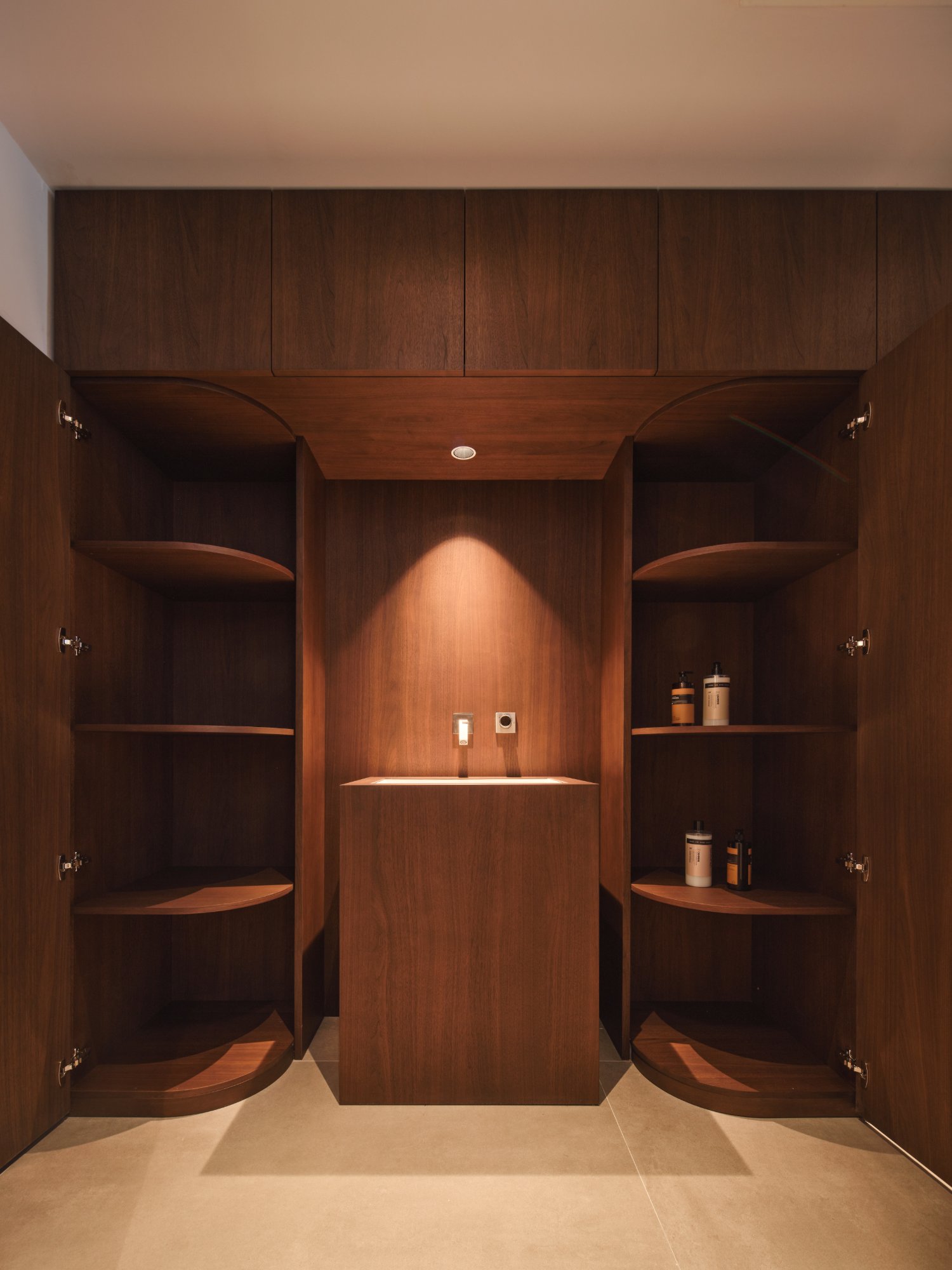
The Unmatched Advantages of Dovetail Joint Craftsmanship
The enduring popularity of the dovetail joint is no accident, stemming from a series of distinct advantages that set it apart from other joinery methods.
Exceptional Mechanical Strength: The primary benefit of a dovetail joint is its incredible tensile strength. The angled shape of the pins and tails creates a mechanical lock that makes it nearly impossible to pull the joint apart in one direction. This makes it the superior choice for drawer boxes, which endure constant pulling forces over a lifetime of use.
A Symbol of Quality and Value: In the world of fine furniture, the presence of well-executed dovetail joints is an immediate indicator of high quality. It signifies that a piece was built with care, attention to detail, and a commitment to longevity. This craftsmanship inherently adds value to the piece, elevating it from a simple object to a cherished heirloom.
Large Gluing Surface Area: The intricate, interlocking design of the dovetail joint provides a significantly larger surface area for glue than a simple butt joint. This results in a stronger, more durable bond that contributes to the overall stability and longevity of the furniture.
Aesthetic Beauty: Far from being purely functional, dovetail joints are aesthetically pleasing. The contrast between the end grain of the tails and the face grain of the pins creates a beautiful and decorative pattern. Whether exposed in a through dovetail or subtly revealed in a half-blind joint, this feature adds a touch of visual artistry to any piece.
MRETTY: Where Tradition Meets Modern Precision
At MRETTY, we believe that the finest homes deserve furnishings built with integrity and artistry. That is why we integrate the principles of dovetail joint craftsmanship into our bespoke kitchen and cabinet systems. Our approach combines the time-honored respect for this technique with the capabilities of modern technology to achieve unparalleled results.
Our skilled artisans understand the nuances of wood and the precision required for perfect joinery. We utilize dovetail joints in the construction of our custom drawers and cabinetry, ensuring that every component offers superior durability and a seamless user experience. By choosing MRETTY, you are not just selecting a design; you are investing in a philosophy of excellence. Our use of premium, eco-friendly materials, certified by the FSC, ensures that your home is not only beautiful but also healthy and sustainable. We create furniture that doesn’t just fit your space, but enhances your life, bringing a sense of timeless elegance and functional grace into your home. The strength of our joints mirrors the strength of our commitment to you.
Explore MRETTY's Collections
Explore our collections that feature exquisite craftsmanship and timeless design:
- Bespoke Kitchen Systems: Discover kitchens where functionality and elegance converge, featuring solid drawer construction and custom cabinetry.
- Whole-House Customization: From wardrobes to display units, experience seamless design and lasting quality tailored to your entire home.
- Luxury Bathroom Vanities: Elevate your personal sanctuary with vanities that combine sophisticated aesthetics with durable, handcrafted joinery.
Customer Testimonials
"The craftsmanship in our new kitchen from MRETTY is simply stunning. The dovetail joints in the drawers are a beautiful detail that speaks to the quality of their work. It feels built to last a lifetime." – Rachel L., Singapore
"We were looking for custom wardrobes that were both modern and durable. MRETTY delivered beyond our expectations. The attention to detail, right down to the joinery, is incredible." – David and Sarah T.
Frequently Asked Questions (FAQ)
Q1: Why are dovetail joints better for drawers than other joints? A1: Dovetail joints provide exceptional mechanical strength against the pulling force repeatedly applied to drawers. Their interlocking design prevents the drawer front from detaching from the sides, ensuring long-term durability where other joints might fail over time.
Q2: Can you tell the difference between hand-cut and machine-cut dovetails?
A2: Yes, typically. Hand-cut dovetails often have thinner, more delicate pins and may exhibit very slight irregularities that add to their character and charm. Machine-cut dovetails are perfectly uniform and consistent, which is a different kind of precision. Both are strong, but hand-cut joints are often associated with a higher level of traditional craftsmanship.
Q3: Is furniture with dovetail joints more expensive?
A3: Generally, yes. The process of creating dovetail joints, whether by hand or machine, is more time-consuming and requires a higher level of skill than simpler joinery methods. This investment in labor and skill is reflected in the final price, but it also corresponds to a significant increase in the furniture's quality, durability, and value.
Q4: Does MRETTY use dovetail joints in all its products?
A4: We use dovetail joint craftsmanship in key structural areas where its strength and beauty are most beneficial, particularly in the construction of high-quality drawers for our kitchen and cabinet systems. We choose the most appropriate joinery for each application to ensure the perfect balance of form, function, and lasting value for every piece we create for our clients.
Conclusion: MRETTY's Commitment to Dovetail Craftsmanship
The art of dovetail joint craftsmanship is a promise—a promise of strength, beauty, and enduring quality. It is a tradition we are proud to uphold at MRETTY, ensuring that every piece we create is worthy of being a part of your home for generations to come. Our commitment is backed by our use of materials from responsibly managed forests, as certified by the FSC. Experience the difference that true craftsmanship makes. Book a Free Consultation Now.
Authored by: 潘俊麒 (Pan Junqi) Lead Designer at MRETTY, winner of the "Golden Line Design Award" for his work on the "Orchid Villa Residence" project. MRETTY: Premium Bespoke Kitchen & Cabinet Systems Provider in Singapore.
