
 Singapore
 China
China
In the world of bespoke creation, where raw timber is transformed into objects of beauty and function, the true masterpiece lies not only in the final polish but in the unseen journey. This journey is orchestrated by the discipline of woodworking project management, a framework that elevates craftsmanship from a mere activity to a fine art. It is the silent partner to the artisan's hand, ensuring that every cut, joint, and finish contributes to a seamless whole. Effective management transforms a creative vision into a tangible heirloom, balancing the soul of the wood with the precision of a well-laid plan.
Imagine the creation of a custom piece not as a series of disconnected tasks, but as a symphony. Each note—from initial sketch to final installation—must be played at the right moment, in perfect harmony with the others. This is the essence of what we practice at MRETTY. We believe that exceptional woodworking is born from a blend of passion and process. By mastering project management, we ensure that every client’s dream is not only realized but brought to life with an elegance and efficiency that defines true luxury. It is the blueprint that guides creativity, ensuring that every bespoke cabinet system and custom furniture piece is a testament to flawless execution.
The Five Pillars of Woodworking Mastery
Managing a woodworking project is a structured dance between creativity and control. It unfolds across five essential stages, each one building upon the last to ensure a result that is both beautiful and built to last.
Pillar 1: The Visionary Plan
Before the first piece of wood is selected, the project must exist in perfect detail on paper and in the mind. This is the most critical phase for any woodworking project.
Defining Scope and Vision: Begin by capturing the essence of the project. What is being created? For whom? What is its purpose? Collaborate with the client to define every detail, from dimensions and functionality to aesthetic feel. A detailed project brief, complete with sketches, inspiration images, and material preferences, becomes the guiding star for all subsequent decisions.
Material Selection: The choice of wood is a declaration of intent. Will it be the warm, rich grain of walnut for a sophisticated library, or the bright, resilient character of white oak for a modern kitchen? This decision impacts aesthetics, durability, and budget. At this stage, we also consider hardware, finishes, and any complementary materials like stone or metal.
Risk Assessment: What could go wrong? A particular joinery technique might be more complex than anticipated. A selected wood species may have longer lead times. Identifying potential risks early allows for contingency planning, preventing small hitches from becoming major delays in your woodworking project.
Pillar 2: The Art of Woodworking Budgeting
A budget is not a creative constraint; it is a framework for making intelligent choices. It ensures the project’s financial viability without compromising on quality.
Estimating Costs: A meticulous budget breaks down all anticipated expenses. This includes raw materials (wood, veneers, hardware), consumables (sandpaper, glue, finishes), labor (at a calculated hourly rate), overheads (workshop space, utilities), and a contingency fund (typically 10-15%) for unexpected costs.
Sourcing and Procurement: With a clear budget, you can begin sourcing materials. Building relationships with reliable suppliers is paramount. At MRETTY, we leverage our network to procure premium, sustainably sourced materials at favorable terms, ensuring quality craftsmanship is never sacrificed for cost.
Tracking Expenses: Use a spreadsheet or accounting software to track every dollar spent against the budget. This real-time oversight allows for immediate adjustments if costs begin to escalate in one area, helping to maintain financial discipline throughout the woodworking project.
Pillar 3: Orchestrating Time – The Woodworking Schedule
Time is a precious resource in woodworking. A well-structured schedule is the conductor’s score, ensuring every part of the process happens in a logical and efficient sequence.
Task Breakdown (Work Breakdown Structure): Deconstruct the entire project into a list of smaller, manageable tasks. This includes design finalization, material procurement, milling, joinery, assembly, sanding, finishing, and installation.
Sequencing and Dependencies: Arrange these tasks in a logical order. You cannot assemble before the parts are cut. You cannot finish before the piece is sanded. Identify which tasks depend on the completion of others for seamless project execution.
Creating the Timeline: Assign realistic time estimates to each task. Use tools like Gantt charts to visualize the project timeline. This visual map clearly shows the project’s critical path—the sequence of tasks that determines the project's total duration—and helps in allocating resources effectively.
Pillar 4: Resource Allocation for Woodworking Projects
This pillar involves assigning the right people and the right tools to the right tasks at the right time for optimal woodworking project management.
Assigning Roles: In a team setting, clarify who is responsible for each task. Who is the master of joinery? Who has the patient hand for fine finishing? Playing to individual strengths maximizes efficiency and quality.
Workshop and Tool Management: Ensure the workshop layout is optimized for the project’s workflow. Check that all necessary tools and machinery are in good working order and calibrated for precision. A disorganized space or a poorly maintained tool is a recipe for delays and mistakes.
Managing Inventory: Keep track of your materials. Knowing exactly what you have on hand prevents last-minute scrambles to a supplier, which can derail the schedule of your custom woodworking project.
Pillar 5: Execution and Woodworking Quality Control
This is where the plan transforms into physical reality. It’s a phase of focused action, guided by constant evaluation, crucial for achieving heirloom-quality woodworking.
Milling and Joinery: Precision is everything. Adhere strictly to the design specifications. "Measure twice, cut once" is the timeless mantra. Every tenon must fit its mortise perfectly; every dovetail must be crisp and clean.
Assembly and Finishing: This is where the piece truly comes to life. The assembly should be methodical, ensuring the structure is square and strong. The finishing process—whether oil, lacquer, or paint—is the final layer of artistry, protecting the wood and enhancing its natural beauty.
Continuous Quality Checks: Quality is not inspected at the end; it is built in at every step. Regularly check measurements, angles, and joinery fit against the plan. This proactive approach catches minor deviations before they compound into major flaws, a core principle of the craftsmanship at MRETTY.
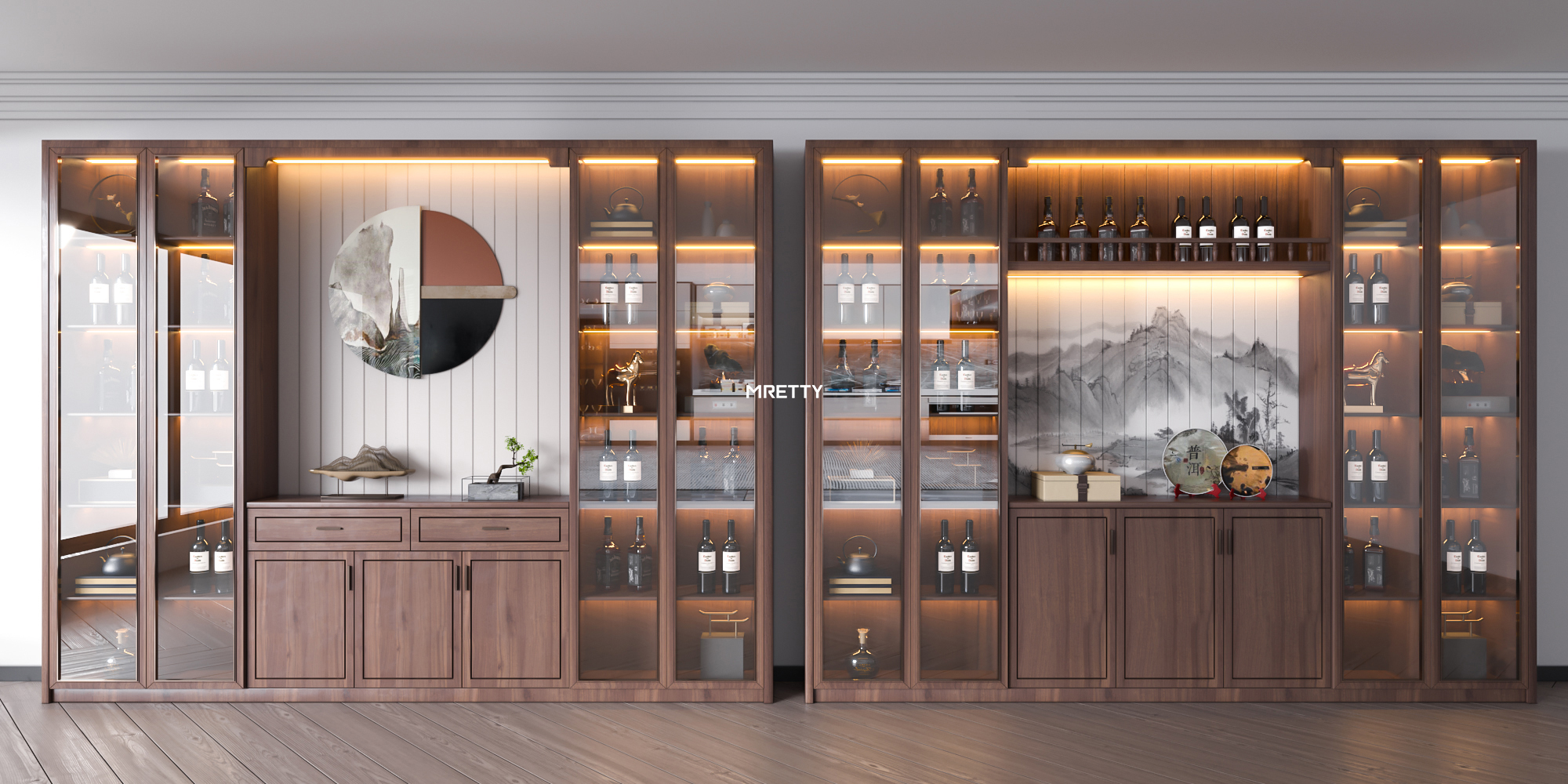
Tools for Modern Woodworking
While woodworking is an ancient craft, the modern artisan has a suite of digital tools at their disposal to enhance precision and efficiency in project management.
Design and CAD Software: Programs like SketchUp, AutoCAD, and Fusion 360 allow for the creation of detailed 3D models. These models are invaluable for visualizing the final piece, perfecting proportions, and creating precise cut lists. They eliminate guesswork and serve as a perfect communication tool with clients for custom furniture design.
Project Management Software: Tools like Trello, Asana, or Monday.com are perfect for managing the project workflow. They allow you to create task lists, assign responsibilities, set deadlines, and track progress visually. For a woodworker, this can be as simple as a digital Kanban board with columns for "To Do," "In Progress," and "Complete."
Spreadsheet Software: For budgeting and expense tracking, nothing beats the power and simplicity of Microsoft Excel or Google Sheets. They are perfect for creating detailed cost estimates and monitoring the financial health of your woodworking project in real time.
Navigating Woodworking Challenges
Even the most perfectly planned woodworking project can encounter turbulence. The mark of a master is not in avoiding challenges, but in navigating them with grace and foresight.
- Challenge: Scope Creep. The client asks for "just one more little change."
Solution: Address this immediately and formally. Document the requested change and present the client with a clear impact analysis, outlining the additional cost and time required. A formal change order process protects both the artisan and the client.
- Challenge: Material Flaws or Unavailability. A key piece of lumber has a hidden flaw, or a supplier is out of stock.
Solution: This is where your contingency plan and strong supplier relationships pay off. Your budget’s contingency fund should cover the cost of replacement material. A good supplier may be able to suggest a suitable, high-quality alternative.
- Challenge: Falling Behind Schedule. A complex task takes longer than expected.
Solution: Consult your Gantt chart. Can you reallocate resources to work on another task in parallel? Is there any "float" or slack in the schedule that can absorb the delay? Communicate proactively with the client about any potential impact on the delivery date. Transparency builds trust in woodworking project management.
Ensuring Quality & Meeting Deadlines in Woodworking
Delivering a superior product on time is the ultimate measure of professionalism in bespoke woodworking.
Establish Quality Benchmarks: Define what "quality" means for each project. Is it the flawlessness of the finish? The precision of the joinery? The smoothness of a drawer’s action? These benchmarks should be agreed upon with the client from the start.
The "Done-Done" List: For each major phase, create a checklist of quality standards that must be met before moving to the next. The joinery is not "done" until all joints are seamless; sanding is not "done" until the surface is perfectly smooth and ready for finishing.
Embrace the Power of "No": A true artisan knows their limits and the limits of the materials. Learning to politely decline requests that would compromise the structural integrity or aesthetic harmony of the piece is a sign of confidence and professionalism.
Buffer Your Deadlines: When creating your schedule, build in a small time buffer. This gives you flexibility to handle minor, unforeseen issues without the stress of a looming deadline for your custom woodworking project.
Related Products by MRETTY
- Bespoke Wardrobe Systems: Masterfully crafted to optimize your space with elegance and innovative storage solutions.
- Custom Kitchen Cabinetry: The heart of your home, designed with precision and finished with artistry for a lifetime of use.
- Heirloom-Quality Custom Furniture: From dining tables to media centers, each piece is a unique expression of your style, built with uncompromising quality.
Customer FAQs
- Q: How does effective project management impact the final cost?
A: Excellent project management is key to cost control. By creating a detailed budget, tracking expenses diligently, and minimizing waste and mistakes, it ensures the project stays within the agreed-upon financial framework. It prevents costly overruns and delivers maximum value.
- Q: Can I make changes to the design mid-project?
A: While we accommodate changes where possible, it's important to understand that modifications after the planning phase can impact the cost and timeline. Our process includes a formal change order system to ensure you are fully aware of these impacts before proceeding, maintaining transparency.
- Q: What is the most important stage of woodworking project management?
A: The planning stage is unequivocally the most critical. A thorough and detailed plan is the foundation for everything that follows. It minimizes surprises, aligns expectations, and sets the stage for a smooth, efficient, and successful project execution.
Client Showcase: The Orchard Boulevard Residence
"Working with MRETTY was an exercise in precision and artistry. Our designer, Yang Song, managed the creation of our full-house custom cabinetry with flawless professionalism. The project was on time, on budget, and the final result exceeded our wildest dreams. The quality of the woodworking is simply sublime."
- The Lim Family, Singapore
Conclusion: Craft and Control in Woodworking
Effective woodworking project management is what separates a hobbyist from a professional artisan. It is the invisible structure that supports creative brilliance, ensuring that passion is guided by purpose and vision is executed with precision. It transforms the chaotic, unpredictable nature of creation into a controlled, repeatable process that delivers excellence, time and again.
This disciplined approach is the bedrock of our philosophy at MRETTY. By integrating meticulous planning, budgeting, and scheduling into our craft, we honor both the materials we use and the clients we serve. Our commitment to sustainable practices, evidenced by our FSC certification, ensures our creations are not only beautiful but also responsible. We build more than just cabinets and furniture; we build heirlooms, crafted with a synergy of art and engineering that is destined to last for generations. Let us bring this discipline and artistry to your vision.
Book a Free Consultation Now
Yang Song, Principal Designer
Yang Song is a celebrated designer at MRETTY, known for his ability to create spaces that are both elegant and deeply personal. His work on the "Sentosa Cove Residence" project won the prestigious "Gold Key Award for Excellence in Hospitality Design" for its innovative take on coastal modern aesthetics.
MRETTY: Premium Bespoke Kitchen & Cabinet Systems Provider in Singapore.
