
 Singapore
 China
China
The enduring allure of wood lies in its warmth, character, and natural beauty. Yet, the final touch that transforms a simple wooden surface into a masterpiece of design is the finish. Wood finishing and surface treatments are not merely protective layers; they are the very soul of the piece, defining its texture, color, and luster. A masterful finish can elevate a custom cabinet from functional to breathtaking, turning an ordinary wall panel into a statement of pure sophistication. It is the silent language of luxury, speaking volumes about quality and craftsmanship.
At MRETTY, we understand that the finish is where design and durability converge. It is an art form that protects your investment while enhancing the inherent elegance of the material. This comprehensive guide will illuminate the world of wood finishes, exploring the techniques and treatments that breathe life into bespoke interiors. We will journey through the diverse types of finishes, from classic oils to modern lacquers, and uncover the meticulous preparation that ensures a flawless result. Your dream space awaits, and the perfect finish is the final, crucial step to realizing it.
The Importance of an Impeccable Finish
Why is wood finishing so crucial in high-end custom interiors? The answer lies in a delicate balance of protection, aesthetics, and longevity. A professional finish acts as a shield, safeguarding the wood from the rigors of daily life. It resists moisture, prevents scratches, and guards against the subtle damages caused by light and air. This protective quality is paramount for items in constant use, such as kitchen cabinetry, bathroom vanities, and wardrobe doors.
Beyond protection, the finish is the primary vehicle for aesthetic expression. It can accentuate the wood's natural grain, creating a dance of light and shadow across the surface. Alternatively, it can impart a new, uniform color, aligning the piece perfectly with a specific design palette. The choice of sheen—from a soft, matte glow to a brilliant, high-gloss polish—dramatically alters the mood and style of an interior.
For homeowners with a discerning eye, the finish is what harmonizes individual pieces, like bookcases and entrance cabinets, into a cohesive and elegant whole. It’s the difference between a house and a curated home. Ultimately, a superior finish is a testament to superior craftsmanship, a value that is at the core of the MRETTY promise.
Unveiling the Types of Wood Finishes
Selecting the right finish is essential to achieving your desired look and ensuring long-term performance. Each type offers a unique combination of appearance, durability, and feel.
Evaporative Finishes: A Classic Touch
These finishes harden as their solvents evaporate. They form a protective film on the wood's surface.
Lacquer
A hallmark of fine furniture, lacquer creates a hard, durable, and intensely clear surface. It is celebrated for its ability to be polished to a high gloss, creating a mirror-like sheen that exudes luxury. Available in a range of sheens, it dries quickly, allowing for multiple coats to be applied in a relatively short time.
Its exceptional clarity enhances the wood’s natural depth and color, making it a superb choice for statement pieces like dining sideboards or custom library shelving. Lacquer offers excellent resistance to moisture and damage, though it can be susceptible to some chemicals.
Shellac
One of the oldest and most traditional finishes, shellac is a natural resin that produces a warm, amber glow. It is prized for its ability to seal wood and act as a wonderful base for other finishes. Shellac is non-toxic and food-safe once cured, making it a consideration for certain applications.
While it offers a beautiful, classic appearance, it is less durable than modern lacquers and varnishes, being vulnerable to heat and alcohol. It is often used for decorative items or in restoration projects to maintain historical authenticity.
Reactive Finishes: The Modern Standard
Reactive finishes harden through a chemical reaction, either with oxygen in the air (oxidation) or with a catalyst (polymerization). This process results in a highly durable and resistant surface.
Varnish
Varnish is a clear, transparent finish renowned for its exceptional durability and resistance to water, heat, and scratches. It is essentially a combination of resins, solvents, and drying oils. As it cures, it forms a hard, protective film that can range from matte to high gloss.
Modern varnishes, particularly polyurethane-based formulas, are a top choice for high-traffic, high-use surfaces. They provide a robust shield for kitchen cabinets, bathroom vanities, and custom walk-in closets, ensuring your bespoke installations remain pristine for years to come.
Oil Finishes
Oil finishes, such as tung oil and linseed oil, penetrate the wood fibers rather than forming a film on top. This results in a very natural, low-sheen look and feel that highlights the wood’s texture. The finish becomes part of the wood itself, offering good protection against moisture from within.
Oil finishes are easy to apply and repair; scratches can often be fixed by simply sanding the area lightly and reapplying a small amount of oil. While they provide a beautiful, tactile experience, they offer less surface protection against scratches and impacts compared to film-forming finishes like varnish or lacquer. They are ideal for pieces where a natural, close-to-the-wood feel is desired.
Wax Finishes
Wax, often applied as a paste, is more of a protective polish than a durable primary finish. It is typically used over an existing finish (like shellac or an oil finish) to add a layer of moisture resistance and a soft, satiny sheen. It imparts a silky-smooth feel to the surface.
On its own, wax provides minimal protection against heat and scratches and requires regular reapplication to maintain its protective qualities. It is best suited for decorative pieces or low-wear surfaces where a subtle luster and smooth touch are the main goals.
The Foundation of Beauty: Essential Surface Treatments
A perfect finish is only possible with perfect preparation. Surface treatments are the critical steps taken before any finish is applied, ensuring the wood is ready to receive it flawlessly.
Sanding: The Pursuit of Smoothness
Sanding is the most fundamental preparation technique. It involves abrading the wood surface with progressively finer grits of sandpaper to remove imperfections, mill marks, and roughness. The goal is to create a uniformly smooth surface that is receptive to stain and finish.
Proper sanding is a patient, meticulous process. Starting with a coarser grit and moving to a finer grit ensures all scratches from the previous stage are removed. An impeccably sanded surface will not only feel silky to the touch but will also allow the finish to be absorbed evenly, preventing blotchiness and highlighting the wood's grain with stunning clarity.
Staining: The Art of Color
Staining is the process of applying color to wood before the topcoat finish is applied. Unlike paint, which covers the grain, stain is designed to be semi-transparent, enhancing the natural patterns of the wood while imbuing it with a desired hue.
Stains can be used to even out color variations in a piece of wood, to make one type of wood resemble another, or to achieve a specific shade that complements an interior design scheme. From rich, dark walnuts to light, airy oaks, staining offers an infinite palette for customization. Applying stain correctly is key to avoiding a blotchy, uneven appearance, especially on woods like pine or maple.
Sealing: Locking in Perfection
Sealing is the application of a preparatory coat that serves several purposes. A sealer, often a thinned version of the final finish or a product like dewaxed shellac, is applied after sanding and staining. It seals the pores of the wood, which prevents the final topcoats from being absorbed unevenly.
This ensures a more consistent sheen and uses less of the more expensive topcoat material. For stained wood, a sealer locks in the color, preventing it from bleeding into the topcoats. It also creates a barrier that makes the final surface even smoother by stiffening the wood fibers for one last, very light sanding before the final coats are applied.
Techniques for a Flawless Application
The method of applying the finish is just as important as the finish itself. Different techniques are suited to different finishes and desired outcomes.
Brushing
Brushing is a traditional method that, in skilled hands, can produce a beautiful result. It is best suited for oil-based varnishes and some water-based finishes. The key to a good brushed finish is selecting a high-quality natural or synthetic bristle brush, applying the finish in thin, even coats, and always brushing with the grain of the wood.
Technique is paramount to avoid brush marks and drips, requiring a steady hand and a keen eye for detail.
Wiping
Wiping is a straightforward technique often used for applying oil and wax finishes. A soft, lint-free cloth is used to wipe the finish onto the wood, work it into the grain, and then wipe off the excess. This method gives the user excellent control and produces a thin, even coat that highlights the natural texture of the wood.
It is an almost foolproof way to achieve a beautiful, hand-rubbed appearance that feels as good as it looks.
Spraying
Spraying is the preferred method for applying finishes like lacquer and many modern varnishes, especially in a professional setting. Using specialized spray equipment, the finish is atomized into a fine mist that settles onto the surface in a thin, perfectly even layer. This technique is unmatched for its ability to produce a completely smooth, flawless surface free of brush marks or texture.
It is also highly efficient, especially for complex pieces with many corners and details, such as intricate cabinet doors or custom-built library systems. At MRETTY, our advanced production facilities utilize professional spraying techniques to achieve the impeccable, factory-perfect finishes our clients expect.
The Enduring Benefits of Quality Finishing
A thoughtfully chosen and expertly applied finish brings a wealth of benefits that extend far beyond the surface.
- Enhanced Durability: The primary benefit is protection. A quality finish armors your custom cabinetry and wall panels against moisture, spills, heat, and daily wear and tear, preserving their beauty for a lifetime.
- Aesthetic Brilliance: The finish is what brings your design vision to life. It defines the color, deepens the character of the wood grain, and sets the sheen, creating an atmosphere of bespoke luxury.
- Ease of Maintenance: A finished surface is non-porous and smooth, making it far easier to clean and maintain than raw wood. A simple wipe-down is often all that is needed to keep your interiors looking immaculate.
- Increased Longevity and Value: By protecting the wood from degradation, a proper finish dramatically increases the lifespan of your custom installations. This not only provides you with lasting enjoyment but also enhances the long-term value of your home. The quality craftsmanship embodied by a perfect finish is a hallmark of a high-value property.
Related Products
Explore how these principles of finishing are applied across our bespoke collections:
- 整体厨房 (Integrated Kitchens)
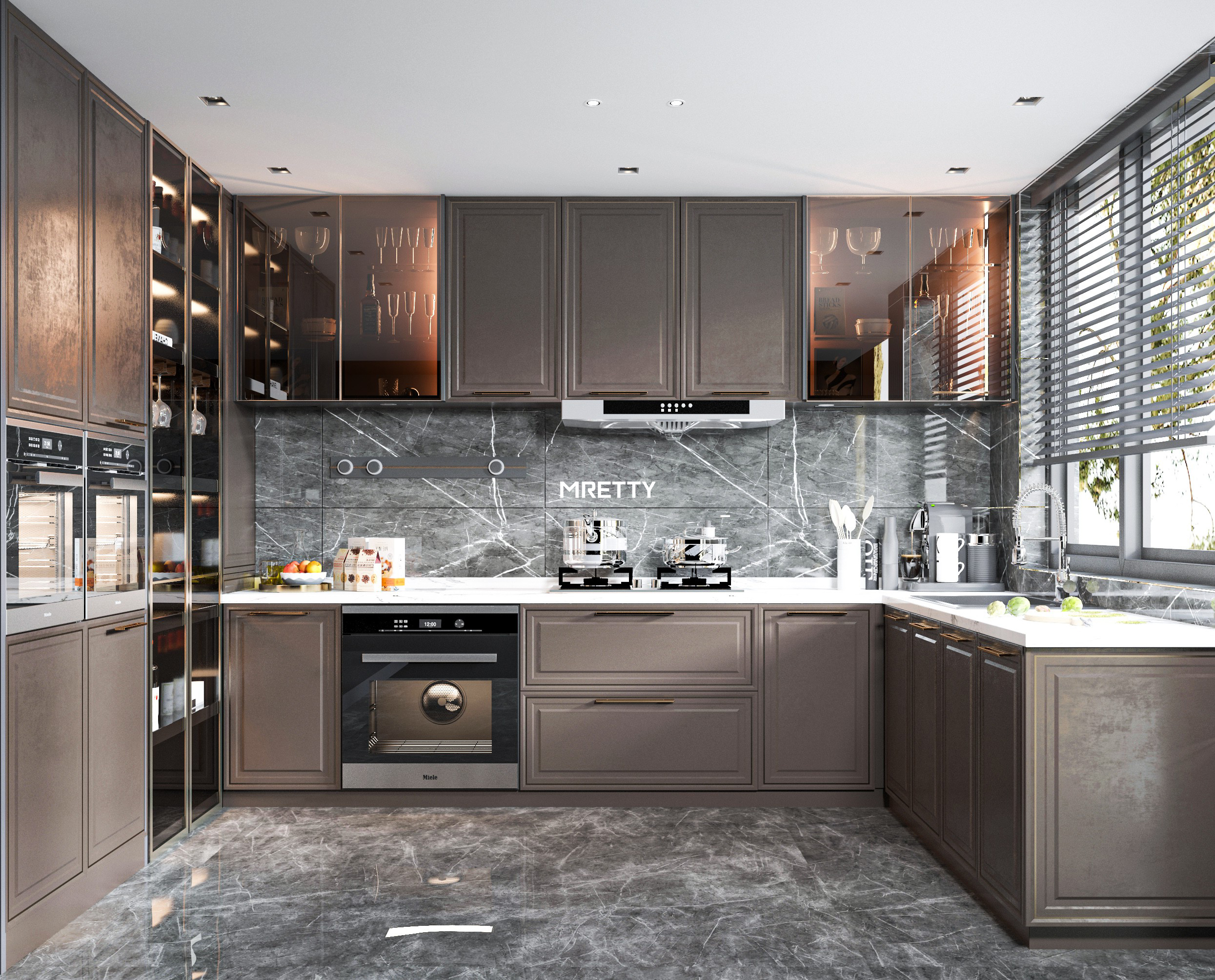
Ingenious conception in mind, good life in the kitchen. Our kitchen cabinetry features durable, moisture-resistant finishes that are both beautiful and practical for the heart of your home.
- 全屋定制 (Whole-House Customization)
The line is always simple, the structure is always unexpected. From walk-in closets to integrated study and living room systems, our uniform, high-quality finishes create a seamless and sophisticated flow throughout your residence.
Customer FAQs
- Q: How do I choose the right finish for my kitchen cabinets?
A: For kitchens, durability and moisture resistance are key. A high-quality catalyzed varnish or lacquer is an excellent choice. Our design consultants will guide you through the options to find a finish that matches your lifestyle and aesthetic preferences, balancing beauty with the practical demands of a kitchen environment.
- Q: Can you match the finish of new cabinets to my existing furniture?
A: Absolutely. Our experts specialize in custom stain and finish matching. We can analyze your existing pieces and create a bespoke finish for your new MRETTY installations that ensures a harmonious and integrated look throughout your space.
- Q: What is the difference between a matte and a high-gloss finish?
A: The difference is in the sheen, or the amount of light the surface reflects. A matte finish has a low sheen for a soft, natural, and modern look that hides fingerprints well. A high-gloss finish is highly reflective, creating a sleek, dramatic, and luxurious feel that makes spaces appear brighter and larger.
Conclusion: The Signature of Sophistication
Wood finishing is an intricate dance between science and art. It is a process that demands technical knowledge, meticulous preparation, and an artist’s eye for detail. From the foundational smoothness created by sanding to the final, lustrous coat of lacquer, each step is crucial in the journey from raw timber to a piece of refined elegance.
The right finish not only protects wood but also elevates it, unlocking its deepest beauty and ensuring it can be cherished for generations.
At MRETTY, we believe that a superior finish is the signature of exceptional quality. Our commitment to excellence is reflected in every surface we create, from the silken touch of a custom wardrobe to the resilient sheen of a kitchen island. We utilize state-of-the-art techniques and the finest materials, all sourced from suppliers who share our dedication to quality, as certified by organizations like the Forest Stewardship Council (FSC).
We don't just build cabinets; we craft experiences, tailored for your lifestyle.
Transform your living space with the unparalleled beauty of a perfect finish. Let us help you visualize the possibilities.
Book a Free Consultation Now
MRETTY: Premium Bespoke Kitchen & Cabinet Systems Provider in Singapore.
