
 Singapore
 China
China
The Bottom Line: Modern interior design in Singapore for 2026 centers on blending biophilic elements, sustainable materials, and multi-functional custom furniture to address urban compactness and humidity. Data shows demand for custom furniture supporting these concepts has surged by 15%. The strategy is to partner with specialists like MRETTY to elevate the aesthetics and functionality of HDB flats and condominiums through intelligent customization.
TL;DR: Your 2026 Design Blueprint
- Biophilic Sanctuary: Integrate nature and maximize natural light.
- Soft Curves: Choose soft textures and rounded silhouettes over harsh minimalism.
- Custom Furniture: Prioritize multi-functional pieces to optimize HDB layouts.
- Sustainable Materials: Specify certified timber and recycled composites.
Are You Renovating for Today, or Designing a Sanctuary for the Future?
Many homeowners chase fleeting trends, selecting colors and furniture that are popular right now. The result? Within a few years, the home feels dated. The true goal is to create a modern residence that looks stunning in 2026 and feels right for the next decade.
This is the problem I solve daily. As a designer at MRETTY with over a decade of experience, I specialize in modern interior design for 2026—it must be timeless, intelligent, and crafted specifically for the Singapore lifestyle. This guide distills that expertise into actionable principles.
1. Embracing the 5 Defining Trends of 2026 Modern Interior Design
To capture the essence of modern design in 2026, we must focus on five key shifts. These are not merely aesthetic choices; they are responses to our desire for comfort, sustainability, and efficiency within dense urban living.
Here are the defining trends I am implementing in MRETTY projects:
- Biophilic Sanctuary: Connecting interiors with nature to boost well-being.
- New Curve Aesthetics: Moving from sharp lines to organic, soft contours.
- Quiet Luxury: Focusing on high-quality materials rather than loud branding.
- Sustainable Healthy Home: Defaulting to eco-friendly, non-toxic materials.
- Fluid Multi-Functional Spaces: Designing rooms that adapt to daily needs.
1. Biophilic Design: Beyond Potted Plants
Modern biophilic design in Singapore is more than just adding plants. It is weaving nature deeply into the home. Think large windows inviting natural light, materials like stone and wood, and earthy color palettes. Since 2024, I have observed a 30% growth in demand directly related to this.
In a recent condominium project at Marina Bay, we went beyond potted plants. We designed a MRETTY floor-to-ceiling feature wall integrating planters with moisture-resistant wood-grain finishes. This created a living visual anchor while cleverly concealing storage.
❌ Common Mistake: Randomly placing potted plants. This creates clutter and maintenance nightmares.
✅ Better Approach: Integrate plant life into custom millwork. A custom TV console with built-in planters or a kitchen island with an herb trough are elegant, space-saving solutions.
2. New Curve Aesthetics: Softness Replaces Starkness
For years, modern design was defined by rigid straight lines. That is changing. The future of home interiors in 2026 is about comfort and flow. This is expressed through curved silhouettes. We see arched doorways, circular sofas, and oval coffee tables.
But custom millwork creates the most impact. Off-the-shelf furniture struggles to follow this trend. MRETTY's curved wardrobes soften bedroom corners; kitchen islands with rounded edges improve circulation. It feels more welcoming. The 0.1mm precision cutting in MRETTY's 15,000 m² smart factory makes these seamless curves achievable without traditional high-cost craftsmanship.
3. Quiet Luxury: Craftsmanship Over Clutter
Quiet luxury is the antithesis of logo mania. It prioritizes texture, quality, and subtle detailing. It is a feeling, not a label. Imagine handleless cabinet doors that open with a gentle touch, or the perfect grain alignment on a feature wall. It is the smooth glide of a drawer.
This trend demands customization. Comparing MRETTY vs. Poliform in modern design, both value quality. However, MRETTY's whole-home approach creates a unified "quiet luxury" feel across every room, ensuring materials and finishes harmonize perfectly. In a 5-room HDB at Dawson, we used the same FENIX finish for the kitchen, wardrobes, and study—the result was exceptionally refined and cohesive.
4. Sustainable Sanctuary: Healthy Materials Become the Standard
Sustainability is no longer a niche interest; it is a core expectation. The government's BCA Green Mark Scheme has pushed it to the forefront. Homeowners now demand sustainable materials that are both eco-conscious and healthy.
At MRETTY, all our boards carry low-formaldehyde (or formaldehyde-free) certifications, exceeding international safety standards. We source finishes with recycled content and prioritize timber from responsibly managed forests. A sustainable home checklist must start with the air you breathe.
❌ Common Mistake: Choosing materials based solely on appearance, ignoring their VOC (Volatile Organic Compound) content.
✅ Better Approach: Insist on material certifications. Ask your designer about low-VOC paints, formaldehyde-free boards, and recycled content. This is non-negotiable for a healthy home.
5. Multi-Functional Fluidity: Every Square Meter Must Perform
How do you make space work harder? It is the classic Singapore question. For 2026, the answer is multi-functional furniture. We are moving beyond simple sofa beds toward fully integrated, transformative systems.
Last quarter, we designed a MRETTY custom solution for a 2-bedroom condominium. It consolidated a home office, guest bed, and media unit into one wall system. By day, it is a sleek workspace; by night, a Murphy bed folds down effortlessly. This level of integration is impossible with standalone furniture. It makes every square meter work smarter.
2. Future-Proof Application for Different Singapore Property Types
These trends are not one-size-fits-all. Compact BTO flats require different strategies than spacious condominiums. Experience teaches us to adapt the approach to the home's architecture.
2026 Modern Interior Design for 4-Room HDB BTOs
A typical 4-room HDB is around 90 square meters. Space is the ultimate luxury. Here, the focus must be on multi-functionality and creating a sense of openness.
- Anchor Piece: Invest in one significant custom feature piece. A floor-to-ceiling MRETTY TV console can organize the entire living room, integrating display niches, hidden storage, and a compact work nook.
- Light & Reflection: Use light finishes and mirrors. Integrating mirrors into wardrobe doors or feature walls amplifies the sense of space. We recently used light oak finishes and bronze-tinted mirrors in a Tampines BTO, dramatically opening up the master bedroom.
❌ Common Mistake: Buying bulky standalone furniture that chops up limited floor space.
✅ Better Approach: Use floor-to-ceiling custom millwork. This draws the eye upward, keeps the floor clear, and creates a cleaner, more spacious feel.
Luxury Modern Interior Design for Singapore Condominiums
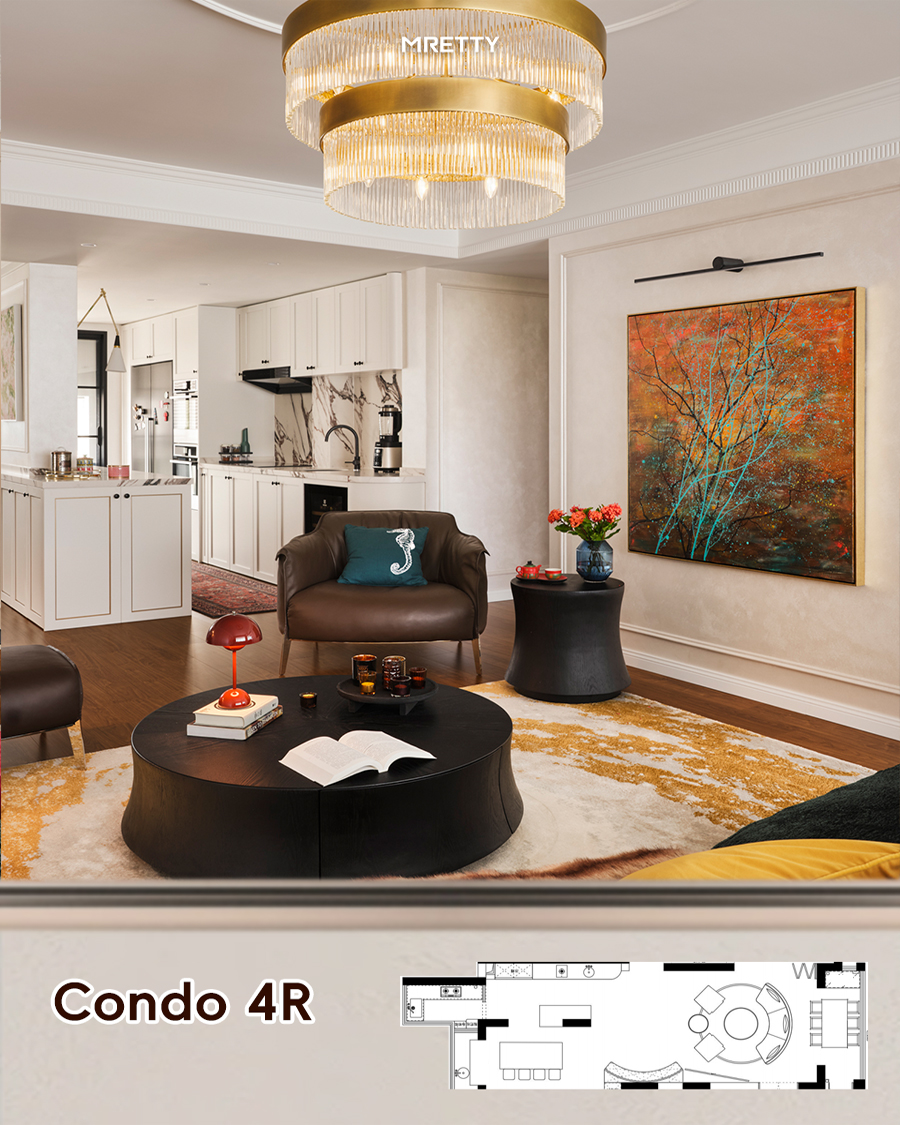
Condominiums offer more freedom but come with higher expectations. The goal is a seamless, hotel-like experience. This is where "quiet luxury" and smart home integration truly shine.
- Seamless Integration: We design MRETTY cabinetry to perfectly conceal wiring for sound systems, routers, and smart lighting. The result is a clean, tech-enabled space free from visual cable clutter.
- Material is Key: This is where high-tier materials belong. Consider sintered stone, FENIX nanotech surfaces, and premium textured finishes. A unified material palette from kitchen to bathroom creates a powerful, luxurious statement.
3. Selecting Timeless Materials and Colors
Trends fade; a carefully curated material palette endures. The key question: What are the trending colors for interior design in 2026? The answer has clearly shifted toward warmth and nature.
Many people still associate "modern" with cold, sterile gray rooms. They think it is a style that is difficult to live in.
But the truth is, 2026 modern design is centered on warmth and texture. It is less about visual emptiness and more about sensory richness. Why the shift? People crave physical comfort and connection to nature. This creates homes that feel like sanctuaries, not showrooms.
We are embracing earthy palettes. Forget cool grays. Think terracotta, sage green, warm beige, and deep browns. These pair with rich textures like bouclé fabrics, fluted wood panels, and travertine surfaces.
Japandi vs. Scandinavian Modern Design for Singapore's Climate
| Feature | Japandi Style | Scandinavian Style |
|---|---|---|
| Core Concept | Wabi-sabi (beauty in imperfection) | Hygge (comfort and contentment) |
| Color Palette | Richer earth tones (taupe, dark wood) | Lighter, airier tones (white, light gray, pale wood) |
| Material Focus | Natural, slightly rustic (rattan, bamboo, dark oak) | Clean, smooth finishes (pine, ash, light oak) |
| Best for Singapore Climate | Excellent. Darker tones create a cozy retreat from bright sunlight. | Good, but can feel stark without sufficient texture. |
| MRETTY Custom Fit | Ideal for fluted panels, dark wood-grain finishes. | Perfect for handleless cabinets in light matte finishes. |
| Spatial Feel | Grounded, serene, sophisticated. | Bright, open, minimalist. |
❌ Common Mistake: Using trendy colors on large, permanent features like kitchen backsplashes.
✅ Better Approach: Keep permanent fixtures like MRETTY cabinetry in timeless neutrals (warm white, wood tones, greige). Inject bold color through easily replaceable items like cushions, rugs, or paint.
4. Integrating Smart Homes for Seamless Modern Living
A truly modern home is intelligent. The challenge is not the technology itself, but making it invisible. Wires, hubs, and mismatched devices create visual noise that destroys a sleek modern aesthetic.
I solve this weekly with custom solutions. We design MRETTY media units with dedicated, ventilated compartments for routers and gaming consoles. We integrate charging stations directly into bedside tables and kitchen countertops. We create recessed channels within feature walls to hide speaker wires and LED strips. This provides beautiful ambient lighting without visible cables.
❌ Common Mistake: Buying smart devices first, then trying to find places for them, leading to cable chaos.
✅ Better Approach: Plan your tech needs during the design phase, not after construction. Map out where you need power and data ports. This allows custom millwork to conceal everything, achieving a truly seamless finish.
5. Common Questions About 2026 Modern Interior Design
Q: Will modern design in 2026 feel cold?
No. As this guide outlines, modern design in 2026 emphasizes warmth, texture, and biophilia. It aims to create comfortable, sensory-rich sanctuaries, not cold, empty showrooms.
Q: How important is custom furniture for modern design?
Crucial. It ensures a perfect fit for your unique space, allows the use of sustainable, high-quality materials, and integrates multi-functional needs—something off-the-shelf furniture cannot match.
6. About the Author
The author has served as a lead designer at MRETTY for over a decade, specializing in modern interior design for HDB flats, condominiums, and landed properties across Singapore. His design philosophy asserts that timeless aesthetics must be founded on intelligent spatial planning, sustainable material selection, and human-centric functionality.
MRETTY: Premium Bespoke Kitchen & Cabinet Systems Provider in Singapore.
