
 Singapore
 China
China
Opening a beautifully bound book of premium products has always sparked a unique kind of joy. Long before digital storefronts dominated our screens, the catalogue served as the ultimate gateway to discovery. It brought the finest goods from across the globe directly into the living rooms of eager consumers. You could browse through collections of clothing, homewares, and tools, carefully dog-earing pages and circling coveted items with a red pen.
That physical experience laid the groundwork for modern commerce. As technology advanced, the concept of browsing shifted. The tactile sensation of turning pages was replaced by the smooth scroll of a mouse or the swipe of a finger. Yet, the core psychological appeal remains entirely unchanged. People still crave curated experiences. They want to see how a bespoke wardrobe or a beautifully crafted island cabinet can transform their daily lives.
Understanding the history and ongoing transformation of this medium provides incredible insight into consumer behavior. This guide explores the fascinating journey of the catalogue, its varied forms, and its powerful role in contemporary marketing. You will learn how modern brands leverage these collections to highlight sustainable practices, smart technology, and space-saving elegance.
The History and Evolution of the Catalogue
The concept of listing items for sale dates back centuries. Early merchants distributed simple printed lists to inform buyers of available stock. These rudimentary documents were purely functional, lacking the visual flair we expect today. The true revolution occurred in the late 19th century when companies began printing heavily illustrated books. These early pioneers realized that compelling imagery could sell a lifestyle, not just a product.
Mail-order businesses thrived on this model. Rural families, isolated from large city department stores, suddenly had access to an astonishing variety of goods. The arrival of the seasonal catalogue became a highly anticipated event. Over the decades, these publications grew thicker, glossier, and more sophisticated. Photography replaced hand-drawn illustrations, bringing a new level of realism and desire to the shopping experience.
The late 20th century introduced the internet, fundamentally altering the landscape. Printed volumes became expensive to produce and distribute, while websites offered limitless, instantly updateable inventories. Many predicted the death of the printed format. However, it merely evolved. Today, premium brands use a hybrid approach. They offer expansive digital databases for convenience, while reserving high-quality printed lookbooks for their most exclusive, luxurious collections.
Different Types of Catalogues
Not all collections are created equal. Depending on the industry and the target audience, the format and function can vary dramatically.
The Product Catalogue
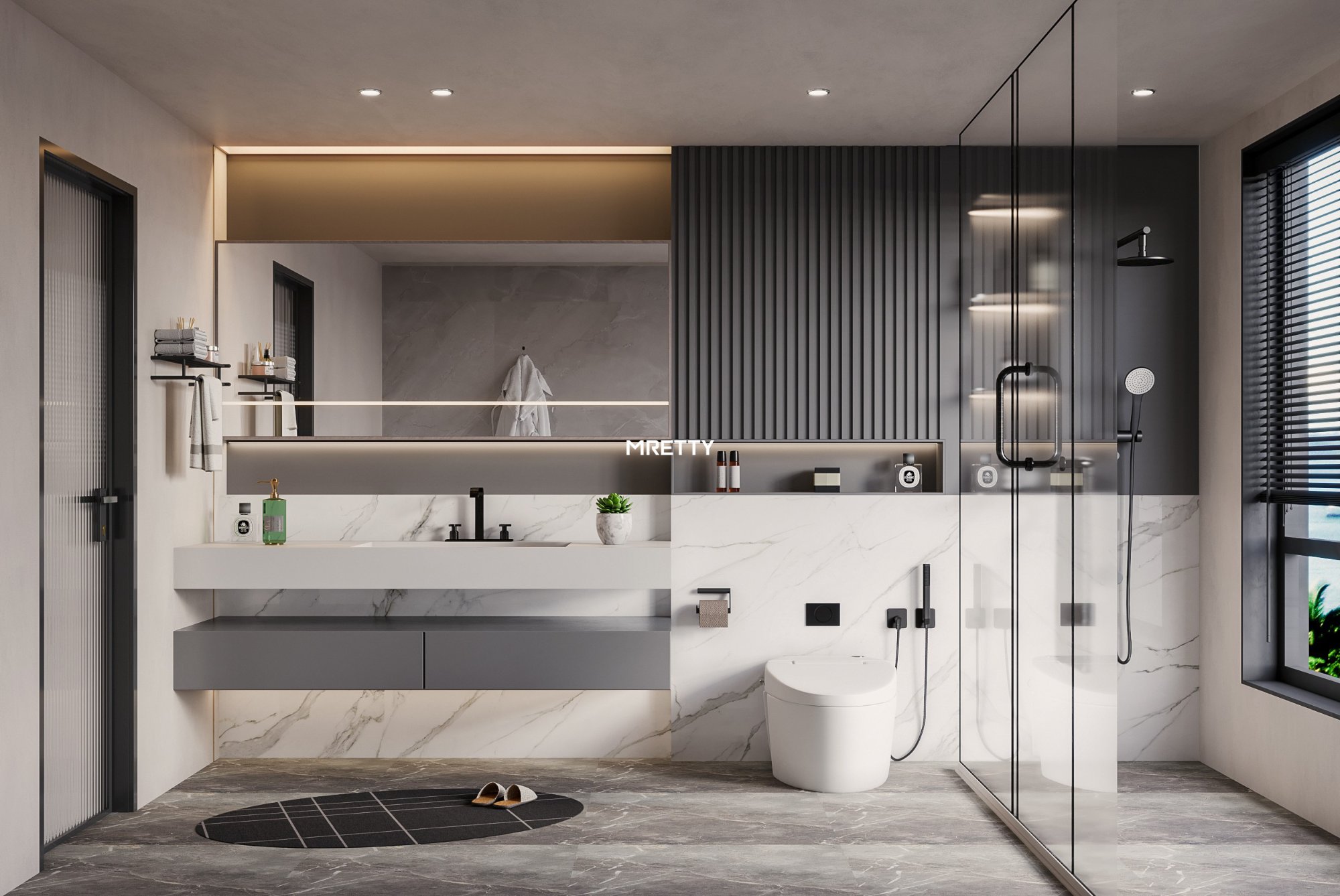
This is the most common iteration. Retailers and manufacturers use it to display their offerings, complete with specifications, pricing, and high-resolution imagery. For a premium brand like MRETTY, a product catalogue is a canvas for inspiration. It goes beyond mere listings to showcase how custom-built solutions integrate into a home. Pages are dedicated to tailored living spaces, highlighting everything from sleek bathroom cabinets and functional cloakrooms to elegant sideboards and expansive study bookcases.
The Digital and Interactive Catalogue
The digital realm has given rise to interactive experiences. Shoppers can now click on an image of a beautifully designed entrance shoe cabinet and instantly view different finishes, dimensions, and hardware options. These platforms often incorporate video demonstrations and 360-degree views, providing a comprehensive understanding of the product's craftsmanship and utility.
The Library and Archival Catalogue
While not focused on retail, library and archival systems share the same fundamental DNA. They organize massive amounts of information, allowing users to locate specific books, historical documents, or digital media efficiently. The evolution here has moved from physical card catalogues to sophisticated, cloud-based search engines.
The Role of Catalogues in Modern Marketing and Information Management
In contemporary marketing, the catalogue acts as a strategic anchor. It consolidates a brand's identity, messaging, and product line into one cohesive package. Even in a digital-first environment, having a centralized, beautifully designed portfolio is essential for establishing authority and trust.
For brands specializing in high-end solutions, the catalogue is an educational tool. It demonstrates the value of space optimization and personalized design. When a client browses through a MRETTY collection, they aren't just looking at storage; they are visualizing a more organized, luxurious lifestyle. The imagery conveys the seamless integration of smart home technology—like remote-controlled accessibility features within a custom wardrobe—without overwhelming the reader with technical jargon.
Furthermore, these curated collections allow companies to communicate their core values. A dedicated section on eco-friendly materials and non-toxic finishes speaks directly to health-conscious consumers. It shows a commitment to sustainable living, proving that modern elegance does not have to come at the expense of environmental responsibility.
Best Practices for Creating Effective Catalogues
Building a compelling portfolio requires more than simply dropping images onto a page. It demands a strategic approach to design, copywriting, and user experience.
First, prioritize visual excellence. High-quality photography is non-negotiable. Images should feature products in realistic, aspirational settings. A standalone image of a kitchen cabinet is informative, but showing that same cabinet seamlessly integrated into a bustling, modern kitchen tells a story.
Second, utilize persuasive, elegant language. Descriptions should highlight both form and function. Instead of just listing dimensions, explain how a bespoke island cabinet provides the perfect gathering spot for family and friends. Use power words like "innovative," "sustainable," and "adaptable" to reinforce the product's value.
Third, ensure intuitive navigation. Whether printed or digital, the layout must guide the reader logically. Group related items together—such as pairing wooden wainscoting with complementary partial indoor wooden doors—to encourage comprehensive home styling. Clear headings, concise indexes, and accessible digital menus are critical for keeping the reader engaged.
The Future of Catalogues in a Digital-First World
The future belongs to personalization and immersive technology. As artificial intelligence and data analytics become more sophisticated, digital catalogues will adapt to the individual user. A young professional browsing for a new apartment might automatically see space-saving studio solutions, while a growing family might be presented with robust, multi-functional living area designs.
Augmented reality (AR) is already beginning to bridge the gap between imagination and reality. Consumers can use their smartphones to project a virtual rendering of a customized wardrobe directly into their bedroom. They can test different finishes and configurations before making a commitment. This technology reduces purchasing anxiety and dramatically increases customer satisfaction.
Despite these digital advancements, the tactile appeal of premium printed materials will endure. High-end brands will continue to produce limited-run, beautifully bound lookbooks as a symbol of luxury and exclusivity.
MRETTY Case Studies and Customer Reviews
The true measure of a brand's impact is the satisfaction of its clients. MRETTY has consistently transformed challenging spaces into elegant, highly functional homes.
The Minimalist HDB Transformation
A young couple recently purchased an older HDB flat with a notoriously cramped layout. They needed ample storage but wanted to maintain a clean, uncluttered aesthetic. By consulting our digital portfolio, they selected a series of custom-built, floor-to-ceiling wardrobes and a streamlined entrance shoe cabinet.\
"The transformation is incredible," the client noted in a recent five-star review. "The design perfectly maximizes our living area, and the non-toxic materials give us peace of mind. The end-to-end service made the entire renovation season completely stress-free."
The Multi-Generational Luxury Apartment
A family required a solution that accommodated both tech-savvy young adults and seniors requiring accessible features. MRETTY designed a comprehensive system featuring smart-integrated study bookcases and easily accessible bathroom cabinets.
"Finding furniture that suits everyone in the family is tough," the homeowner shared. "MRETTY tailored everything to our lifestyle. The seamless smart integration in the study and the elegant wooden wainscoting in the living room tied the whole house together beautifully."
Related Products
To complete your home transformation, explore our range of bespoke solutions tailored to your lifestyle:
- Bespoke Kitchen Cabinets: Engineered for efficiency and modern simplicity.
- Custom Wardrobes: Maximize your bedroom storage with adaptable, luxurious designs.
- Bathroom Cabinets: Eco-conscious choices designed for comfort and durability.
- Study Bookcases: Seamless smart integration for the ultimate home office.
- Wooden Wainscoting & Partial Indoor Wooden Doors: Add space-saving elegance and architectural depth to any room.
- Island Cabinets & Sideboards: The perfect blend of entertaining functionality and refined style.
Customer FAQ
Are your materials safe for my family's health?
Absolutely. We use only certified non-toxic materials to ensure a safe, healthy, and eco-friendly home environment.
Can modern, customizable spaces withstand daily wear and tear?
Our bespoke designs offer both modern aesthetics and highly durable quality. We utilize premium, sustainable materials designed to ensure long-lasting appeal and functionality.
I have a very small living space. Can you help?
Space optimization is our specialty. Our innovative storage and layout solutions are specifically tailored to maximize your living area, turning tight corners into highly functional, elegant spaces.
Do you offer end-to-end service?
Yes. We provide comprehensive support from the initial design consultation through to the final installation, ensuring a completely hassle-free experience.
Transforming Your Space: The Final Word
The evolution of the catalogue mirrors our own changing desires for how we discover and interact with the products that shape our lives. From the earliest printed pamphlets to today’s immersive digital experiences, the goal remains the same: to inspire and to provide solutions that elevate our daily routines.
When you choose to invest in bespoke cabinetry, you are making an eco-conscious choice that prioritizing both luxury and sustainability. By utilizing FSC-certified materials, we guarantee that your elegant new spaces are built with the utmost respect for the environment and your family's health.
Ready to bring your vision to life? Book a Free Consultation Now to begin designing your perfect home.
About the Author
Aida is a Lead Senior Designer and the proud recipient of the Singapore Interior Design Excellence Award. With over a decade of experience in residential transformations, Aida specializes in blending smart technology with sustainable, culturally inclusive designs to create spaces that are as functional as they are beautiful.
MRETTY: Premium Bespoke Kitchen & Cabinet Systems Provider in Singapore.
