
 Singapore
 China
China
Mastering interior design for conservation buildings in Singapore is an art of balance. It requires strict adherence to the Urban Redevelopment Authority’s (URA) conservation guidelines while satisfying the demands of modern living. This means respecting the original architectural character while deploying custom solutions—such as MRETTY’s bespoke furniture—to overcome unique spatial challenges. Our goal is to achieve a thoughtful fusion, not mere superficial decoration.
TL;DR: Singapore currently has over 7,200 gazetted conservation buildings. Excellent interior design for such properties adopts a "solution-first" mindset. Through custom joinery and intelligent spatial planning, we compensate for the limitations of older structures, creating modern residences that honor their historical shells while remaining fully functional.
What Are the Core Principles of Interior Design for Heritage Homes in Singapore?
Do you think honoring history means sacrificing modern living? That is a misconception. The art of interior design for Singapore’s conservation buildings lies not in creating a museum, but in fostering a dialogue between the past and the present.
In my ten years of experience, the most successful projects adhere to three core principles: Respect, Restore, Reimagine.
Respect: We honor the soul and structural integrity of the original building.
Restore: We restore key features like Peranakan tiles and timber window frames.
Reimagine: We reconfigure spaces for contemporary living. Modern interventions should highlight, not mask, the building’s history.
The URA governs this process. Their "3R" Principles (Maximum Retention, Sensitive Restoration, and Careful Repair) serve as the legal compass for properties in districts like Geylang, Joo Chiat, Emerald Hill, and Blair Plain. These mandate the preservation of structural elements and character-defining features.
True craftsmanship lies not in what you add, but how you add it.
❌ Common Mistake: Clearing out the interior to create a generic modern box.
✅ Better Approach: Conduct a "Heritage Audit" first. Identify the elements that define the home’s character, then design a layout that showcases these features—even if it means rethinking traditional room arrangements.
❌ Common Mistake: Using materials inconsistent with the historical period or unsuitable for Singapore’s climate.
✅ Better Approach: Select authentic materials or high-quality replicas that match the original era. For new additions, choose premium materials that complement the old—such as treated timber or engineered stone from the MRETTY collection.
Design should represent thoughtful evolution, not forced transformation. This requires deep technical and historical knowledge.
How Much Does Renovating a Conservation Shophouse Cost in Singapore?
Let’s discuss the investment. A full renovation of a conservation shophouse is a significant financial undertaking. Based on projects we have consulted on since 2022, a realistic starting budget is S$800,000. For larger or more complex properties, figures can easily exceed S$2,000,000.
Why such a vast range? The final cost is driven by three major factors:
- Structural Condition: Many older buildings require extensive safety and compliance upgrades. This can consume up to 30% of the budget before design work even begins. Comprehensive structural surveying is non-negotiable.
- Level of Restoration: Sensitively restoring original timber louvered windows is far more expensive than simply replacing them. Authenticity carries a price.
- Finishes & Furniture: This is where your vision comes to life. Off-the-shelf furniture has a lower upfront cost, but for non-standard spaces, MRETTY’s whole-home custom joinery offers a superior long-term solution.
Typical Cost Breakdown (Estimates):
| Item | Percentage of Budget |
| :--- | :--- |
| Professional Fees (Architect, Engineers) | 10–15% |
| Structural & Foundation Works | 20–30% |
| Facade Restoration & Roof Works | 10–15% |
| M&E Works (Plumbing, Electrical, HVAC) | 10–15% |
| Interior Finishes & Fixtures | 15–20% |
| Custom Joinery & Furniture | 15–25% |
❌ Common Mistake: Underestimating the cost of "invisible" works like structural strengthening and modern M&E systems.
✅ Better Approach: Allocate at least 40% of your initial budget to structural and M&E works. Having an unused contingency fund is far better than halting works due to unforeseen issues.
View this expense as a long-term investment in a rare asset. This mindset is crucial for navigating the financial reality of owning a piece of Singapore’s history.
How to Modernize Without Losing Historical Charm?
This is the core question for every heritage homeowner. The answer lies in strategic contrast and integration. The biggest mistake is trying to make everything look "old."
Many homeowners think the key is filling the space with antiques. The reality is often the opposite; a few well-placed antique pieces serve as historical anchors, but over-cluttering creates a stuffy, museum-like feel. The real magic happens in the dialogue between eras. Crisp, minimalist modern elements often best highlight the charm of the original architecture.
In a 2025 project involving a Black and White bungalow, instead of faking a 1920s kitchen, we designed an ultra-modern, minimalist kitchen module. It stood in the grand old space like a sculptural piece of furniture. This contrast made the original features—high ceilings, timber floors—pop even more.
This is precisely where MRETTY’s whole-home custom furniture becomes indispensable. Standard furniture simply does not work in these unique houses. Walls are not straight, spaces are narrow, and proportions are non-standard. Custom joinery is not a luxury; it is a necessity.
Our solutions are designed to tackle specific challenges:
Space Optimization: In narrow shophouses, a floor-to-ceiling custom cabinet can house the pantry and appliances, creating clean lines and maximizing a compact footprint.
Concealed Technology: We integrate smart home controls, air-conditioning units, and modern lighting into custom cabinetry, maintaining the pristine look of historical surfaces.
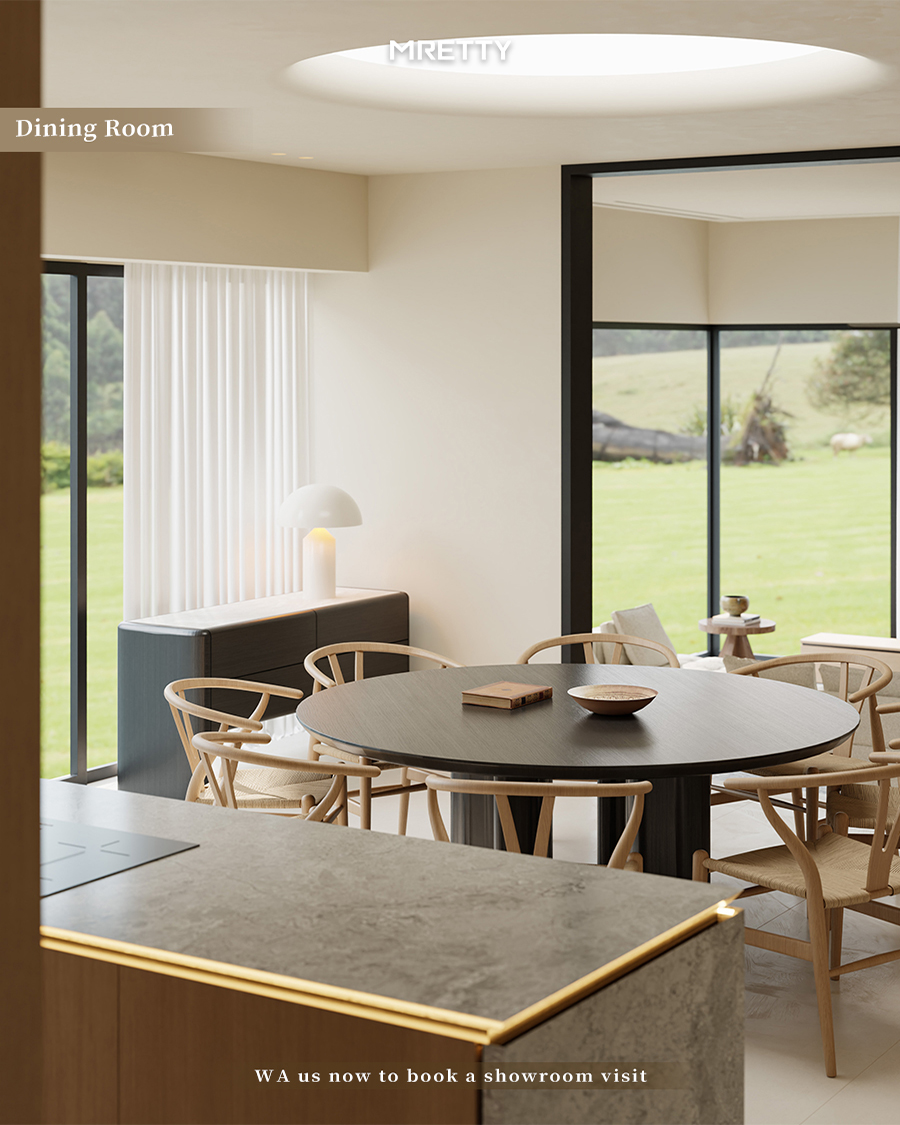
Material Harmony: We utilize MRETTY’s advanced material library to create modern forms. Finishes like textured wood veneers or matte lacquer echo the tones of the original building.
❌ Common Mistake: Awkwardly placing bulky modern furniture in a historical layout.
✅ Better Approach: Commission custom furniture designed to the exact dimensions and architectural language of the space, ensuring a perfect fit.
Modernization should add highly functional elements that respect and enhance the building’s irreplaceable character.
Download Your Free Heritage Home Renovation Checklist
Feeling overwhelmed? That is normal. I have compiled a personal 10-point checklist based on years of experience to help you start your journey. This guide covers everything from URA submissions to material selection.
[Call to Action Button: Download Free Checklist Now]
What Are the Best Renovation Inspirations for Conservation Homes?
Beyond principles, let’s discuss specific applications. Different types of heritage homes in Singapore require different strategies.
Singapore Shophouse Interior Design
The core challenge here is the long, narrow layout. Often, the air well is the only source of central light. Your design must combat the "dark corridor" effect. Spatial Planning: Forget traditional room concepts; think in functional zones. We use custom cabinetry or glass partitions to divide living, dining, and work areas without blocking light. The goal is transparency from front to back. Lighting Design: A multi-layered lighting scheme is crucial. We combine ambient, task, and accent lighting. In a recent Joo Chiat project, we embedded LED strips within MRETTY custom shelving. The soft light washed over the original brick walls, turning a dark wall into a feature. Furniture Curation: The debate often lies between custom furniture and antiques. You need both. Use select antique pieces as historical anchors, then use MRETTY’s sleek, multi-functional custom furniture to handle the heavy lifting of storage and daily living. This contrast is both dynamic and practical.
Black and White Bungalow Interior Design
These colonial bungalows are the opposite of shophouses: spacious, airy, and surrounded by greenery. The challenge is careful planning to avoid a sense of emptiness. Best practices focus on enhancing the connection to the outdoors. We use large-scale, comfortable furniture to anchor generous rooms. Materiality is key. Natural wood, rattan, and linen fabrics complement the monochrome基调. For such projects, MRETTY often crafts oversized dining tables or expansive sectional sofas that suit the majestic scale of the halls.
What URA Rules Govern Singapore Conservation Home Renovations?
URA imposes the strictest controls on building facades and key structural elements. Generally, you cannot alter the front facade, roof shape, or window arrangement. Interiors offer more flexibility. However, any works affecting structural integrity (like wall demolition) require formal approval. Always engage a registered architect with conservation credentials. They can interpret the specific guidelines for your property. The URA’s official Conservation Guidelines* are the final legal authority. As of June 2026, these guidelines, published on the URA website, remain the primary reference for all renovation works.
How to Choose an Expert for Heritage Home Design?
Choosing the right team is the most important decision you will make. A general interior designer may lack the specific technical knowledge required for conservation projects.
Here are the screening criteria:
- Conservation Portfolio: Ask to see completed projects in conservation zones. Have they done shophouses or Black and White bungalows before? This proves they understand the constraints.
- Collaborative Work Mode: Your designer must coordinate seamlessly with architects, engineers, and specialist builders. They are the conductors of this complex orchestra.
- Expertise in Custom Solutions: Experts know off-the-shelf solutions fail in heritage homes. They should possess deep knowledge of custom joinery. This is why top designers partner with MRETTY—they know our 15,000 sqm smart production facility and precision engineering can perfectly execute their complex visions.
❌ Common Mistake: Hiring a designer based solely on their aesthetic style without vetting their technical capability in conservation works.
✅ Better Approach: Choose a firm that can prove extensive experience with URA, specialist builders, and custom manufacturing. Their portfolio is the best proof.
MRETTY: Premium Bespoke Kitchen & Cabinet Systems Provider in Singapore
