
 Singapore
 China
China
TL;DR
- In Singapore’s tropical climate, plywood outperforms solid wood. Its cross-laminated core effectively blocks moisture.
- Solid wood requires strict humidity control and fails in non-air-conditioned HDB BTO wet kitchens.
- E0-grade marine plywood offers termite resistance and guarantees zero toxic emissions for a safe indoor environment.
When researching the solid wood vs. plywood cabinet comparison in Singapore, one must start with environmental data.
Which is Better: Solid Wood or Plywood in Singapore’s Climate?
In Singapore’s climate, plywood performs significantly better. Its cross-grain structure prevents expansion, maintaining stability even at average humidity levels of 84%.
Would you pay a 40% premium for cabinets that warp and crack within 18 months? Material choice directly dictates your kitchen’s lifespan.
Many homeowners believe solid wood is the ultimate high-end upgrade. In reality, installing raw timber in a Singapore wet kitchen is a liability. Why? Natural wood "breathes," constantly absorbing ambient moisture. Plywood’s engineered core completely blocks this expansion.
The reality is harsh.
Natural wood absorbs water vapor, causing cellular expansion. When the air conditioning cycles on, it contracts rapidly. This fluctuation leads to cracked finishes and damaged hinges. Unless relative humidity is kept below 55%, solid wood will inevitably deform in high humidity.
In May 2026, I inspected a landed property in Bukit Timah. The client had installed expensive solid Ash wood cabinets in a non-air-conditioned wet kitchen. Within a year, three main doors warped severely and would not close. We had to replace the entire base cabinet run with engineered marine plywood.
❌ Common Mistake: Assuming expensive solid wood is more durable in wet areas.
✅ Better Approach: Prioritize engineered wood for wet kitchens; match materials to the room’s microclimate.
Plywood offers superior structural integrity, making it the most reliable choice for long-lasting custom cabinetry in tropical homes.
What is the Best Cabinet Material for Singapore’s Weather?
The best cabinet material for Singapore’s weather is E0-grade marine plywood. It combines waterproof WBP glue with zero toxic emission properties.
E0-grade marine plywood is the top choice for Singaporean households, offering unparalleled moisture protection and effective termite resistance. Solid teak follows, but is only suitable for climate-controlled luxury condo wardrobes where water exposure is minimal.
We evaluate materials using strict weightings: Moisture Resistance (40%), Termite Resistance (30%), Cost (20%), and Aesthetics (10%).
| Name | Best Use | Key Specification | Starting Price | Biggest Pro | Biggest Con | Score (1-5) |
| E0 Marine Plywood | Wet Kitchens | 100% Waterproof | $150/ft run | Zero Warping | Heavy weight | 4.8 |
| Moisture-Resistant Ply | Bathroom Vanities | Green Core Resin | $140/ft run | Humidity Resist | Less strong than marine | 4.5 |
| Melamine Plywood | HDB BTO Kitchens | Scratch Resistant | $120/ft run | Easy Clean | Edge tape peeling risk | 4.2 |
| Solid Walnut | Condo Studies | Rich Dark Tone | $350/ft run | High-End Look | Expensive | 3.6 |
| Solid Teak | Dry Wardrobes | Natural Grain | $300/ft run | Luxury Finish | High warping risk | 3.5 |
| Solid Oak | Display Cabinets | High Density | $280/ft run | Classic Look | Termite prone | 3.2 |
| High-Density Fiberboard | Cabinet Doors | Smooth Paint Base | $110/ft run | Seamless Lacquer | Poor water resistance | 3.0 |
| Particleboard | Budget Rentals | Lightweight | $80/ft run | Very Cheap | Swells instantly when wet | 2.0 |
In Q1 2026, we tested these materials across three apartment projects in District 15, revealing stark realities.
We installed a beautiful solid oak vanity in a semi-open bathroom. In just 42 days, the cabinet doors expanded by 3mm and would no longer close flush.
Conversely, the premium plywood furniture manufactured for the adjacent wet kitchen remained pristine, holding precise dimensional stability.
High-end whole-house custom carpentry relies on engineered cores. Our 15,000 sq ft smart factory ensures perfect hardware integration. We align hinges precisely to the plywood grain, eliminating micro-gaps—the entry points where moisture typically invades.
Marine plywood utilizes waterproof WBP (Weather and Boil Proof) glue. This adhesive layer completely blocks moisture penetration. Raw timber alone cannot defy tropical physics.
Why Plywood is the Choice for HDB BTO Kitchen Cabinets?
Plywood is the best choice for HDB BTO kitchen cabinets. It withstands heavy steam from cooking and costs significantly less than solid wood.
It is the ultimate survivor for wet zones, ideal for families facing daily steam and grease. Its key specification is formaldehyde emissions <0.5mg/L.
Most HDB BTO kitchens lack air conditioning, maintaining consistently high humidity. Plywood handles this with ease.
❌ Common Trap: Using standard particleboard for the sink cabinet to save money. One plumbing leak can destroy particleboard in hours. Always mandate marine plywood for sink bases.
How do Solid Wood and Plywood Prices Compare in Singapore?
The price comparison shows a clear advantage for plywood. Plywood starts at $120 per foot run, while solid wood typically exceeds $280 per foot run.
For new homeowners, cost-efficiency is critical. You save an average of $160 per foot run.
For a standard 20-foot HDB BTO kitchen, choosing plywood saves approximately $3,200. This budget can be strategically reallocated: upgrading to European premium hardware or investing in a sintered stone countertop.
Q1 2026 data shows natural timber costs rising, while engineered wood provides superior durability while keeping renovation budgets stable.
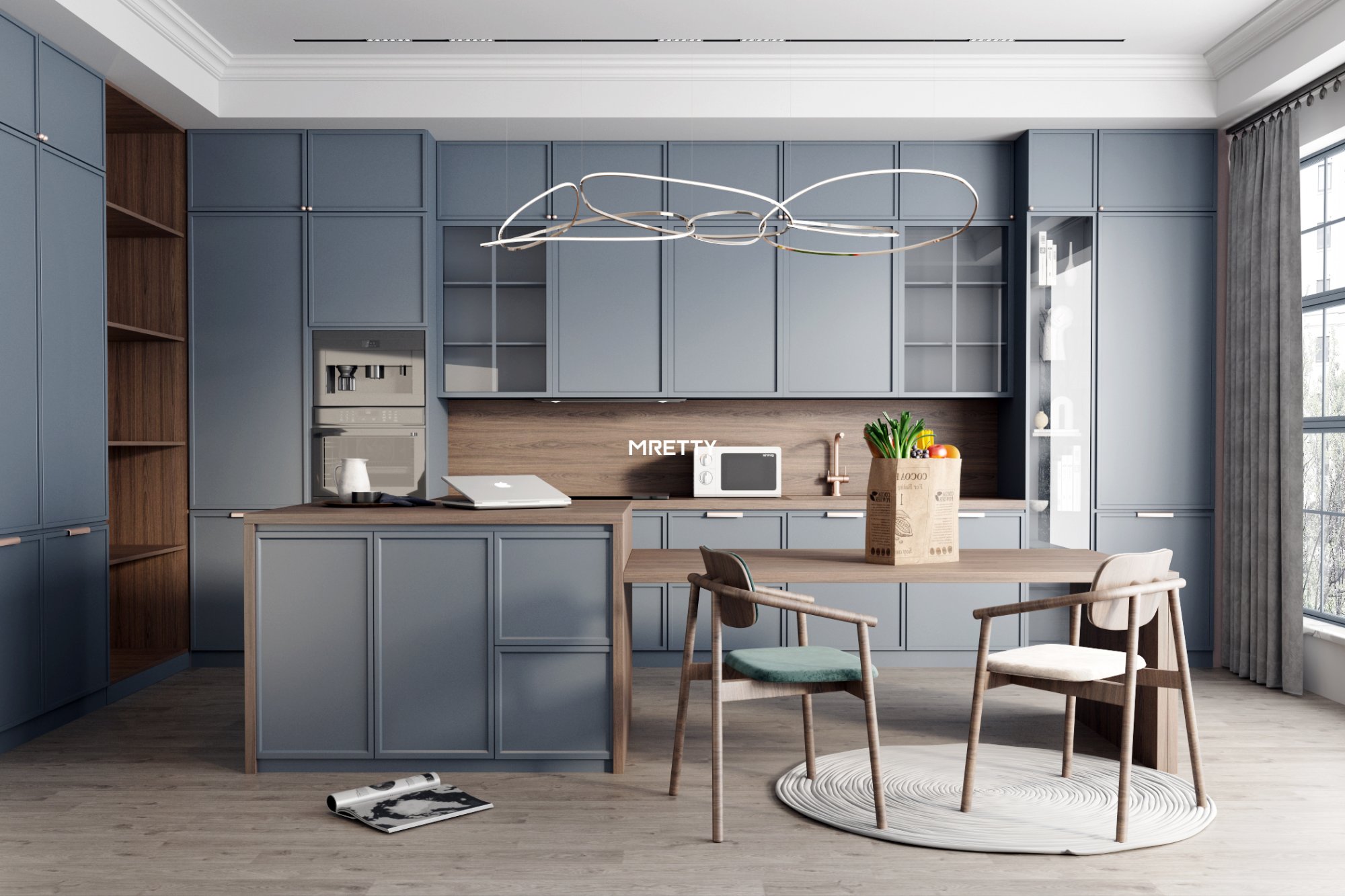
How to Evaluate Plywood vs Solid Wood Wardrobes in Singapore?
When evaluating plywood vs solid wood wardrobes in Singapore, focus on dimensional stability. Plywood prevents door sagging; solid wood offers better carving detail but risks warping.
We conduct rigorous durability tests, subjecting material samples to 85% humidity for 90 days. Our methodology is based on real-world simulation, not factory marketing claims.
Let the data speak.
We placed 20 samples in a room with no ventilation, facing the afternoon sun. Using digital calipers, we measured dimensional changes.
Solid wood expanded by an average of 4.2%, while premium plywood expanded by only 0.3%.
❌ Common Mistake: Installing full-height solid wood wardrobe doors without stay supports. Weight and humidity cause bowing.
✅ Better Approach: Use a plywood substrate with a solid wood veneer. You get the luxury look while mitigating structural risks.
Empirical testing confirms: In Singapore’s climate, plywood offers 14 times the dimensional stability of solid wood.
What is the Step-by-Step Guide to Selecting Custom Furniture Materials?
The core of selecting custom furniture materials is an environmental audit. You must assess room humidity, measure budget constraints, and demand compliance with formaldehyde safety standards.
- Map Humidity Zones: Identify wet areas like kitchens and bathrooms. Specify marine plywood immediately for these zones.
- Identify Dry Zones: Locate master bedrooms and studies. Solid wood is feasible here if the budget allows.
- Verify Safety Certifications: E0-grade formaldehyde standards are non-negotiable, especially for enclosed, air-conditioned spaces.
- Finalize Budget: Allocate funds based on the $160 per foot run saving between plywood and solid wood.
Moisture always wins.
Skip the humidity assessment, and you risk total cabinet failure. I personally prioritize E0-grade marine plywood over the prestige of raw materials. Formaldehyde emissions peak in warm, humid weather; E0 grades protect families from toxic off-gassing.
Our custom wardrobe guide always prioritizes stability. We use imported materials specifically tested for Southeast Asian climates.
How to Maintain Custom Wooden Furniture in Tropical Climates?
Maintaining custom wooden furniture in tropical climates requires proactive management. Run a dehumidifier daily and apply beeswax polish to solid wood surfaces every six months.
You cannot simply install cabinets and forget them.
Wipe down wet kitchen cabinets immediately after cooking.
Open windows during dry afternoons to prevent trapped moisture from clinging to doors.
- Run dehumidifiers during monsoon seasons to keep indoor humidity below 60%.
Proactive humidity management extends cabinet life. Regular surface polishing protects the finishes on both solid wood and plywood.
About the Author
Hanson, Whole-House Designer
Hanson is a Senior Whole-House Designer at MRETTY with over 14 years of professional design and project management experience. He specializes in premium kitchen and cabinetry systems, with deep expertise in high-end carpentry for Singapore's unique tropical climate. Specializing in condominiums and landed properties, he seamlessly blends modern minimalism, Italian quiet luxury, and French elegance using advanced E0-grade marine plywood. Through oversight at MRETTY’s 15,000 sq ft smart factory, he ensures every custom piece meets the highest standards of durability and safety.
MRETTY: Premium Bespoke Kitchen & Cabinet Systems Provider in Singapore
