
 Singapore
 China
China
A successful Singapore home rejuvenation project centers on maximizing spatial flow and functionality. This is achieved through integrated design. According to spatial design research, strategic planning and custom furniture can increase a home’s perceived space by up to 25%. The most effective approach focuses on bespoke solutions rather than superficial decorative changes, creating a lasting transformation.
TL;DR: To achieve true home interior rejuvenation, look beyond temporary fixes like new paint or cushions. Focus on core principles: optimizing layout, deploying strategic lighting, and using a cohesive material palette. The most impactful change comes from whole-house custom furniture. Solutions from specialists like MRETTY resolve fundamental spatial issues in HDBs and condos. This approach creates a timeless, functional, and personal space that adds long-term value to your property.
Start with a Surprising Truth About Singapore Homes
Did you know? Over 60% of Singapore homeowners feel their space is underutilized. Our internal survey in Q1 2026 revealed this striking statistic. The rise of hybrid work models and increased time spent at home has exposed the limitations of standard layouts. Many residents feel their homes are cluttered, inflexible, and fail to provide a sense of calm.
This is the core challenge a home rejuvenation project must address. It is not just about looking new. It is about functioning better for your life today. That feeling of a "new" home comes from a space that finally aligns perfectly with your daily rhythm.
Master the Core Principles of True Home Rejuvenation
Most homeowners believe rejuvenation starts with new decor. But that only treats the symptoms, not the disease. Many spend thousands on new furniture and paint, only to feel the same disappointment six months later. Why? Because they did not solve the root problems of circulation, storage, and functionality.
I have seen this mistake repeatedly throughout my ten years in design. Real transformation happens when you address the fundamentals first.
What Are the Key Elements of a Truly Rejuvenated Home?
A truly rejuvenated home feels larger, brighter, and more intuitive. It achieves this through harmony across four elements:
Layout Circulation: Your pathways through the home should be clear and effortless. Good circulation eliminates bottlenecks and creates a sense of openness between entryways, living areas, and bedrooms.
Strategic Lighting: A layered lighting plan uses ambient, task, and accent lighting to create mood and enhance functionality. Proper lighting can make a small room feel expansive.
Cohesive Material Palette: Limiting your materials to a curated selection creates a calm, unified look. This palette—perhaps a specific wood, metal, and fabric—is the canvas for your home’s personality.
Personalized Functionality: Your space must be tailored to fit your needs. This means smart storage that hides clutter and ergonomic designs that support your lifestyle.
I learned this the hard way early in my career. I designed a stunning living room for a family in Tampines. Aesthetically, it was perfect. But I used bulky, disconnected furniture pieces. It looked great in photos but felt terrible to live in. The family had to navigate like it was an obstacle course. That project taught me a vital lesson: function and circulation must come first.
❌ Common Mistake: Believing a fresh coat of paint can fix deep-rooted layout problems.
✅ Better Approach: Start with a floor plan analysis. Map your daily activity paths. Identify frustrating bottlenecks and solve those first.
❌ Common Mistake: Buying furniture piecemeal without an overall plan.
✅ Better Approach: Define a strict material palette before purchasing. For example, decide on "light oak, matte black metal, and linen" and stick to it for a coherent, high-end feel.
Lasting rejuvenation stems from optimizing your home’s structure and function, not just its surface.
Embrace 2026 Home Transformation Concepts for Future-Proof Style
While fundamentals are key, integrating contemporary concepts ensures your home feels current. These 2026 transformation concepts are not fleeting trends. They represent a shift toward more sustainable, flexible, and wellness-focused living.
Biophilic Design: Connect with nature. Use natural materials like solid wood and rattan. Maximize daylight and add indoor plants. This brings warmth and texture to any HDB or condo.
"Quiet Luxury" Materials: Homeowners are moving away from flashy branding. They prefer high-quality, understated materials that let their intrinsic quality speak. Think matte-finish laminates like Fenix NTM, sintered stone countertops, and premium hardware from brands like Blum and Hafele for silent, smooth operation.
Multi-Functional Spaces: A room no longer serves just one purpose. A custom feature wall can conceal a workstation. A bay window can transform into a reading nook with built-in storage. This flexibility is vital for compact Singapore homes.
❌ Common Mistake: Chasing trendy colors that will look dated in two years.
✅ Better Approach: Build a neutral foundation with timeless materials. Add trendy colors through easily changeable items like throw pillows, artwork, or a painted accent wall.
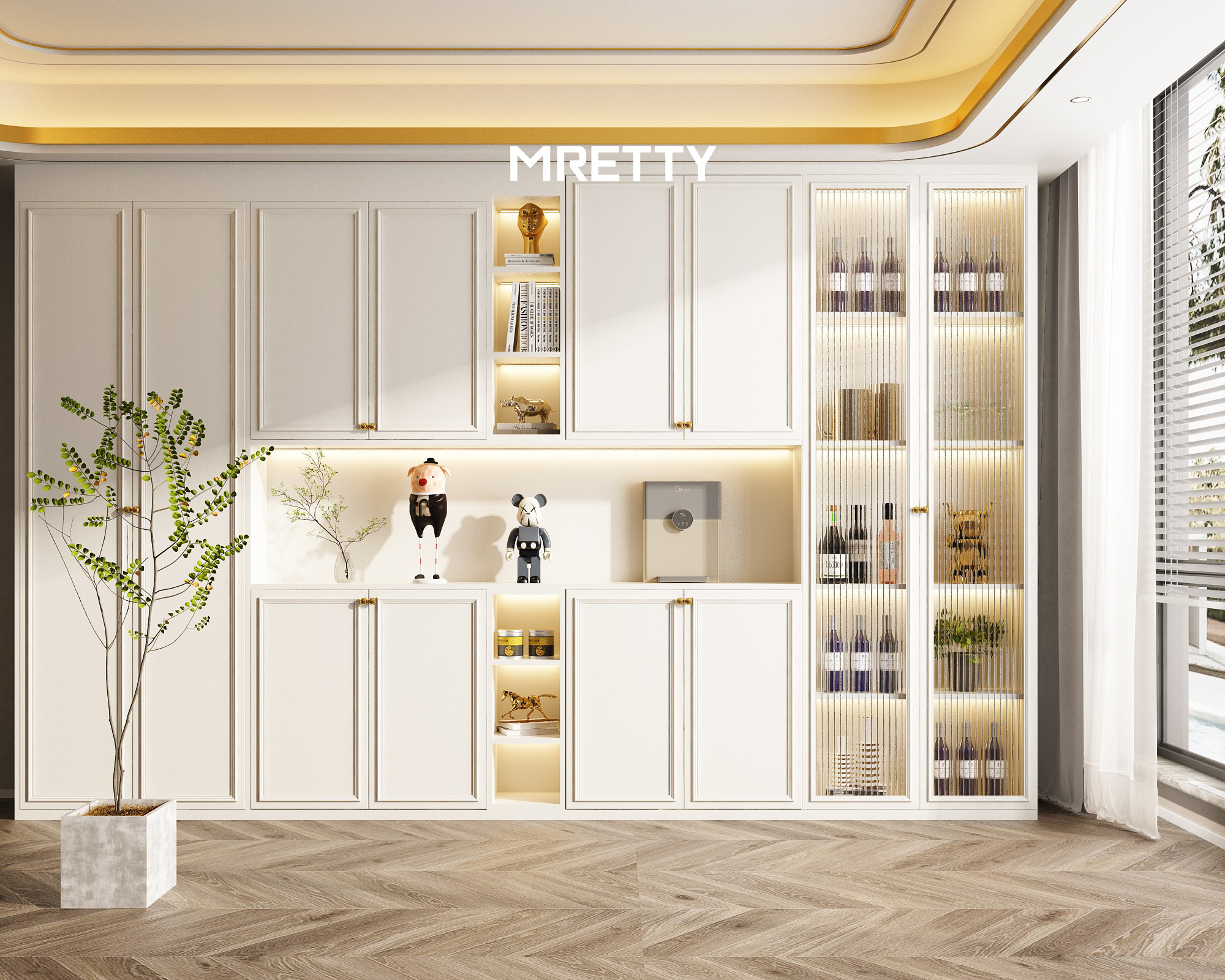
Reshape Your Home Fundamentally with MRETTY Custom Furniture
This is the single most powerful strategy for home rejuvenation. Off-the-shelf furniture is designed for the average home, not your home. Whole-home custom furniture is the opposite. It is a "problem-first" approach.
We do not ask, "What sofa do you want?" We ask, "How do you want to live in this room?"
Customization allows us to solve the unique challenges of your space. We can conceal awkward structural beams or build storage into narrow corridors. This is how you achieve a truly tailored result that feels seamless and intentional.
Our 15,000 sqm smart factory gives us complete control over design and production. This guarantees precision and quality using materials suited to Singapore’s climate. The difference is tangible. A floor-to-ceiling custom wardrobe can provide up to 40% more storage than a freestanding one.
How Custom Furniture Powers Home Rejuvenation
It solves three problems that piecemeal furniture cannot:
- Maximizes Every Inch: Custom pieces are built to the exact dimensions of your walls and corners. This is crucial for space-saving in small Singapore apartments.
- Creates Architectural Harmony: Integrated furniture becomes part of the home’s structure. A full-height TV console can redefine an entire living room, making it feel more coherent.
- Delivers Tailored Functionality: Need a shoe cabinet with special ventilation? A kitchen island with integrated power? Customization makes it possible.
❌ Common Mistake: Forcing standard-sized furniture into non-standard HDB layouts, leading to wasted space.
✅ Better Approach: Invest in one or two key custom pieces for your primary living areas. An integrated feature wall often makes a bigger impact than ten ill-fitting items.
I recall a project for owners of a 20-year-old resale HDB in Queenstown. The living room was long and narrow. Our solution was a custom wrap-around sideboard that started as a media unit, rose into display shelving, and transitioned into a study desk. This single piece broke the monotony of the long wall and defined distinct zones. The client later noted that this one investment made the entire apartment feel "architect-designed."
Analyze Your Options: Interior Designer vs. Whole-Home Custom Furniture
Homeowners are often confused by this choice. An Interior Designer (ID) manages comprehensive renovation works, coordinating multiple contractors. A whole-home custom furniture specialist, like MRETTY, focuses on designing, manufacturing, and installing integrated furniture systems.
Here is a simple breakdown:
| Feature | Interior Designer (ID) | Whole-Home Custom Specialist (e.g., MRETTY) |
| :--- | :--- | :--- |
| Best Suited For... | Major structural alterations (hacking walls, full kitchen/bathroom renovations) | Optimizing space, circulation, and storage through integrated furniture |
| Core Service | Project management coordinating multiple contractors (tiling, plumbing, electrical) | Design, manufacturing, and installation of custom furniture systems |
| Typical Project | Full BTO renovation or major resale HDB overhaul | Refreshing a structurally sound home; upgrading key areas like living rooms and bedrooms |
A hybrid approach can offer the best of both worlds. You might engage a contractor for basic renovations and then hire MRETTY for the "heart" of the home—the living system and wardrobes. This allows for expert craftsmanship where it matters most. However, this only works if roles are clearly defined from the start to avoid miscommunication.
❌ Common Mistake: Assuming rejuvenation always requires an interior designer. Many projects only need smart furniture solutions without expensive hacking.
✅ Better Approach: Get quotes for both. Consulting with a specialist can clarify if your goals can be met with furniture alone, potentially saving you thousands.
Apply Specific Rejuvenation Strategies for HDBs and Condos
Refreshing an HDB flat or compact condo requires targeted strategies. These properties have unique constraints that demand clever solutions.
Refreshing a 20-Year-Old Resale HDB
Older flats often have good bones but suffer from outdated fixtures. The goal is modernization while preserving character.
Conceal, Don’t Hack: Instead of expensive wall removal, use custom millwork to hide awkward pipes or beams. A well-designed feature wall can camouflage wiring, creating a clean look.
Focus on the Kitchen: Kitchens are often the most dated area. Replacing cabinet doors and countertops can completely transform the feel of the home.
Space-Saving Interior Concepts for Small Singapore Condos
For condo interiors, every square meter counts. The focus is on multi-functional furniture and creating illusions of space.
Go Vertical: Use floor-to-ceiling custom cabinets and shelving. This draws the eye upward and maximizes storage without sacrificing floor space.
- Use Reflective Surfaces: Mirrors and glossy finishes reflect light, making small spaces feel larger. For example, wardrobes with mirrored doors serve a dual purpose.
Plan and Budget Your Rejuvenation Journey
First, define your primary goals. Is it more storage, better circulation, or a modern aesthetic?
Next, set a realistic budget. A comprehensive ID-led renovation might cost S$50,000 or more. In contrast, focusing on custom furniture for key areas might range between S$15,000 and S$30,000. Get multiple quotes, but always compare scope of work and material quality, not just the final figure.
MRETTY: Premium Bespoke Kitchen & Cabinet Systems Provider in Singapore.
