
 Singapore
 China
China
Singapore’s luxury residential design is the art of creating a personal sanctuary. It balances bespoke craftsmanship with intelligent spatial planning. This means using premium materials suited to the local climate and tailoring every element to the homeowner’s lifestyle. It is an integrated approach that weaves technology and comfort together, far beyond mere decoration.
TL;DR: Your Path to a Luxury Home
Choose integrated whole-house customization. It creates a seamless aesthetic that standalone furniture pieces cannot match.
Select climate-smart materials. They are engineered to endure Singapore’s humidity, ensuring longevity.
Understand your property type. The design strategy for a landed home differs fundamentally from that of a premium condominium.
Partner with a firm that controls its own manufacturing. This is the key to superior quality and true bespoke capability.
Can you distinguish between a high-end renovation and true luxury residential design? Most cannot. It is not merely about the price tag.
True luxury is a feeling. It is the perfect synergy of space, light, texture, and function. It is a home that serves you, not one you must adapt to. I have practiced bespoke interior design in Singapore for a decade. From this experience, I have learned that achieving such harmony requires a specific mindset. It is about creating a holistic, comprehensive environment, not just selecting beautiful objects. This guide will equip you with a designer’s framework to make decisions that build lasting value.
Defining the Vision: Crafting a Truly Personal Sanctuary
The first step is shifting from thinking about decoration to thinking about expression. Your home should be an extension of your personality. Before choosing any material, we must define the core purpose of the space. Is it a tranquil retreat? A vibrant social hub? Or a practical fortress for a busy family? This purpose dictates every decision, from spatial planning to the tactile feel of a cabinet handle.
A common pitfall is chasing trends. The 2026 trend forecast for luxury homes might favor biophilic elements, but if your style is minimalist and monochromatic, forcing this trend will feel inauthentic. True luxury is timeless and personal. It is translating your essence into physical form. This requires deep collaboration between you and your designer to ensure the final result fits like a tailor-made suit.
Last quarter, a client came to me with a folder of “Japanese Zen” inspiration images. The style is beautiful, but as we talked deeper, I realized their family life was dynamic, bustling, and full of colorful gatherings. That ultra-minimalist, neutral Zen palette would not reflect who they were. We pivoted to a richer “Modern Tropical” concept, incorporating more texture and adaptable entertaining spaces. The resulting design felt their home, not a page from a magazine. It was a more honest reflection of their true selves.
What Are the Key Elements of a True Luxury Home?
A genuine luxury residence is built on four pillars:
- Exceptional Spatial Planning: Optimizing flow, function, and natural light.
- Sophisticated Material Palette: Using authentic, high-quality, climate-appropriate materials.
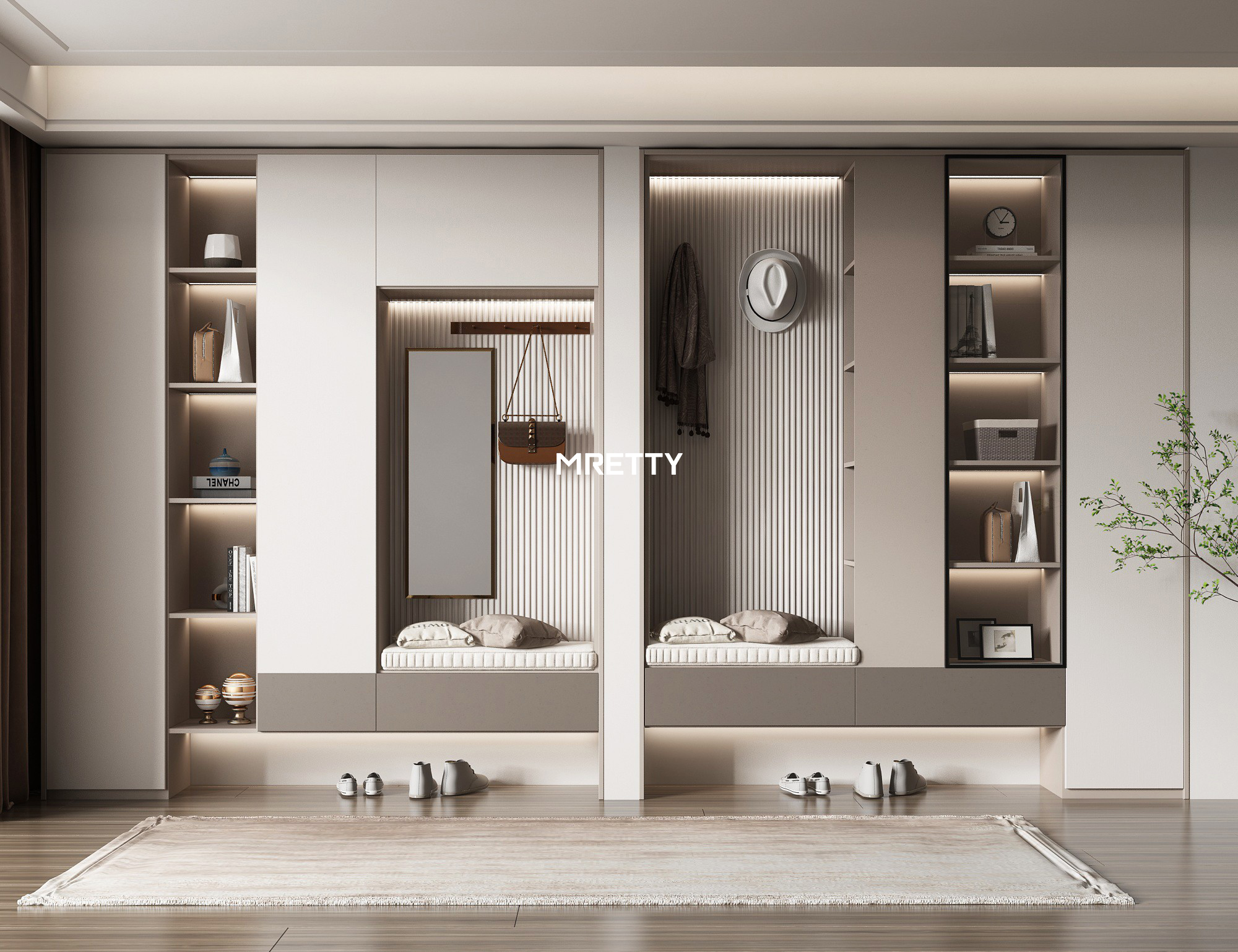
- Custom Millwork: Furniture and fittings crafted to exact specifications.
- Integrated Technology: Systems that weave comfort and convenience seamlessly into the fabric.
It is the combination of these elements, not any single one, that creates an elevated living experience. A room can be beautiful, but if the lighting is harsh or the acoustics are poor, the luxury is diminished. The magic lies in the details.
❌ Common Mistake: Collecting images of individual items (sofa, lamp, rug) without an overarching plan.
✅ Better Approach: Start with the feeling or function. Create a mood board for the desired atmosphere and list the daily activities the space must support. This provides a far stronger foundation for a coherent design.
Defining your vision is not about picking finishes. It is about articulating how you want to live.
Navigating Singapore Property Typologies: Maximizing Spatial Value
Designing for a Good Class Bungalow (GCB) is fundamentally different from designing for a high-end condominium. The canvas is entirely different.
A luxury landed property, especially a GCB, offers the gift of space and command. The design itself can shape the architecture. We can create dramatic double-volume ceilings, seamless indoor-outdoor flow, and dedicated zones for every family member. In a District 10 GCB project we completed last year, we reoriented the entire ground floor around a central courtyard. This strategy maximized natural light and ventilation—something impossible to achieve in a high-rise. The challenge here is scale—ensuring vast spaces feel intimate, not empty. This is where large-scale custom millwork and strategic lighting become critical.
Comparing Luxury Design for Landed Homes vs. Condominiums
For high-end condominiums, the game is about precision. Here, space is the ultimate luxury. Our focus shifts to multi-functional design and clever storage to create the illusion of expansiveness. We use mirrors, glass partitions, and consistent material palettes to make apartments feel larger.
Here, whole-home customization is essential. Off-the-shelf furniture almost never fits perfectly, wasting precious centimeters. A company with its own production facility, like MRETTY with our 15,000 sqm smart factory, allows us to design a wardrobe to the millimeter, fitting perfectly into an awkward corner. We can build a kitchen island that doubles as a dining table and storage unit—everything is precise.
For a two-bedroom condo in Orchard Road, we designed a master bedroom where the owner needed a workspace but did not want the desk to dominate the room. We built a custom platform bed with deep integrated drawers. The headboard extended into a sleek side table, paired with a custom stool, creating a concealed workstation. When not in use, it remained a stylish feature, preserving the room’s serene ambiance. This is the power of custom design in compact spaces.
Is Custom-Built Furniture Worth It for Singapore Condos?
Absolutely. In a condo where every square foot counts, custom furniture offers an ROI that off-the-shelf options cannot match. It eliminates wasted space and creates a cohesive aesthetic tailored to your exact needs. While the initial investment may be higher, the long-term gains in functionality and property value are significant. According to a 2025 market analysis by PropertyGuru, properties with high-quality, integrated custom millwork typically command a 5-8% price premium in the resale market.
❌ Common Mistake: Applying landed home design principles to a condo, resulting in bulky furniture and cramped spaces.
✅ Better Approach: Embrace the condo’s constraints. Prioritize multi-functional, built-in solutions that maximize every inch of vertical and horizontal space.
Understanding your property type is the first step to unlocking its full potential.
Mastering Material Palettes: Outsmarting the Tropical Climate
Material selection is where true expertise shines. In Singapore’s high humidity, the wrong materials lead to warping, mold, and rapid deterioration. What looks stunning in a European showroom can be a disaster here.
Many assume that solid natural wood is the ultimate hallmark of luxury. But for Singapore’s climate, many advanced engineered materials are a smarter choice. They often outperform solid wood in durability and stable aesthetic performance. For instance, some natural woods require constant dehumidification to prevent deformation. High-quality engineered alternatives offer the look and feel of wood without the maintenance nightmare, making them a more practical luxury choice.
We prioritize materials that are both beautiful and resilient.
Expert Material Recommendations for Singapore:
Surfaces: We recommend advanced technical materials like Fenix NTM for kitchens and high-traffic areas. Its anti-fingerprint and thermal-healing properties make it exceptionally durable.
Millwork Elements: For millwork, we favor high-quality engineered veneers over moisture-resistant substrates. When using solid wood, we select species that have undergone special kiln-drying and treatment to minimize movement. We pair them with premium hardware from brands like Blum or Hettich.
* Fabrics: Performance fabrics with anti-microbial and mold-resistant properties are crucial for soft furnishings, especially for homes in coastal areas like Sentosa Cove.
A coherent material palette is vital. We limit core materials to three or four and use them throughout the home. This creates a sense of calm, unity, and spaciousness—a core principle of effective luxury residential design.
I often have clients request wide-plank European oak solid wood flooring. It looks beautiful online. I always advise against it for landed homes in Singapore. Unless the subfloor and indoor climate are perfectly controlled, the high ambient humidity will cause the boards to cup and warp within a few years. We steer them toward high-quality engineered wood flooring with a stable plywood core or premium vinyl flooring, which offer similar aesthetics without the risk.
Which Materials Are Best Suited for Singapore’s Humid Climate?
Beyond engineered wood, consider sintered stone (like Dekton, Neolith) for countertops and wall cladding. They are non-porous, heat-resistant, and impervious to moisture. High-pressure laminates have also advanced significantly, offering realistic wood and stone visuals with superior durability. For flooring, large-format porcelain tiles or the aforementioned engineered wood are far more stable and sensible choices than solid hardwood.
❌ Common Mistake: Selecting materials based solely on online photos without considering their technical specifications or suitability for high-humidity environments.
✅ Better Approach: Request and test material samples. More importantly, partner with a designer who has a proven local track record. They can explain the pros and cons of each choice for your specific home.
Choosing the right materials is an investment in the longevity of your home.
Implementing a Phased Process for Flawless Whole-Home Customization
A luxury home does not happen by accident. It is born from a meticulous, controlled process. Demystifying this journey is crucial for setting clear expectations. At MRETTY, we manage this as a turnkey solution, guiding you from concept to handover.
Our process is transparent and structured:
- Phase 1: Deep Discovery & Concept Design (Approx. 4-6 Weeks): We begin with intensive consultations to understand your lifestyle, needs, and tastes. This leads to preliminary spatial planning and concept development, presented via 2D layouts and 3D visualizations.
- Phase 2: Detailed Design & Material Finalization (Approx. 3-5 Weeks): Once the concept is approved, we create detailed shop drawings for every custom element and finalize the material palette with you.
- Phase 3: Production Manufacturing (Approx. 8-10 Weeks): Our designers work directly with the factory production team. This direct line eliminates the communication errors common when companies outsource manufacturing, ensuring the vision is translated perfectly.
- Phase 4: Installation & Handover (Approx. 3-4 Weeks): Our skilled craftsmen install all components on-site. We conduct rigorous quality checks before proudly handing over your new home.
How Much Does Luxury Interior Design Cost in Singapore?
This is the most common question. The honest answer is: it varies greatly. Costs are driven by three factors: Scale (property size), Complexity (intricate design, smart home systems), and Material Selection (imported marble vs. high-end laminates).
For a comprehensive, high-end whole-home customization renovation in Singapore, a rough estimate is S$150 to S$400+ per square foot. For a 1,500 sq ft premium condo, this could range from S$225,000 to S$600,000+. Transparent budget discussions are the first step. The goal is not to find the cheapest option, but to allocate your investment for maximum impact.
How to Choose a Luxury Interior Designer in Singapore?
Look for three things:
- A Portfolio That Resonates With You. Can you see your taste reflected in their work?
- A Clear, Transparent Process. Do they explain the steps, timeline, and how they handle quality control?
- Evidence of Technical Expertise. Ask about their approach to Singapore’s climate. A firm that can give confident, detailed answers (explaining their direct factory oversight or preferred hardware brands) is a far better partner than one that talks only about aesthetics.
Checking client testimonials and asking for references are also crucial steps.
❌ Common Mistake: Selecting a designer based on the lowest design fee, which often leads to compromised quality, hidden costs, and project delays.
✅ Better Approach: View design fees as an investment. A skilled designer saves you money by preventing costly mistakes, providing access to better resources, and ultimately enhancing your property’s value.
A structured process managed by an expert team is the only guaranteed path to a flawless result.
Next Steps Toward Your Dream Home
Embarking on a luxury home upgrade is a significant decision. The path you choose—piecemeal patching or integrated system planning—will define your quality of life for the next decade. The evidence from my fourteen years of experience overwhelmingly points to the whole-home customization approach.
It is the only way to guarantee seamless flow, material harmony, and intelligent spatial optimization—the hallmarks of truly luxurious living. If you are ready to create a unified, harmonious home, the team at MRETTY is here to help.
See how we transform spaces. Download our portfolio of recent Singapore home customization projects.
Ready to discuss your vision? Request a no-obligation consultation with our design experts today.
About the Author
Hanson is a Senior Whole-Home Designer and Project Manager at MRETTY, with 14 years of focused experience delivering high-end kitchen and cabinetry systems for discerning clients across Singapore. He specializes in creating bespoke living environments for condominiums and landed properties, seamlessly blending functionality with refined aesthetics. With deep expertise in Modern Minimalist, Italian Light Luxury, and French Classical styles, Hanson guides projects from initial concept to flawless execution.
MRETTY: Premium Bespoke Kitchen & Cabinet Systems Provider in Singapore.
