
 Singapore
 China
China
The warmth of wood, its unique grain, and its connection to nature bring an unparalleled elegance to any space. From the grand structure of a home to the intricate details of a bespoke cabinet, wood tells a story of strength and beauty. Yet, to ensure this story endures, it requires a guardian—an expert in the art of preservation. Wood preservation techniques experts are the custodians of this timeless material, employing sophisticated methods to protect it from the elements and the passage of time. For discerning homeowners who appreciate lasting quality, understanding these techniques reveals the deep-seated value in expertly crafted wooden furnishings.
At MRETTY, we believe that true luxury lies in longevity. Our philosophy is rooted in the belief that the finest materials deserve the finest care. This is why we integrate world-class wood preservation into the very soul of our creations. It’s not merely a finishing step; it is an essential part of the design, ensuring that the beauty you invest in today will continue to grace your home for generations. Choosing expertly treated wood is an investment in permanence, sustainability, and enduring style. The work of wood preservation techniques experts ensures that every piece, from a statement kitchen island to a full-height wardrobe, stands as a testament to quality craftsmanship.
The Necessity of Expert Wood Preservation
Wood, in its natural state, is vulnerable. It is an organic material susceptible to a range of biological and environmental threats that can compromise its structural integrity and aesthetic appeal. Fungi, insects, moisture, and UV radiation are all natural adversaries. Without expert intervention, even the most robust timber can decay, warp, or lose its rich color.
The importance of wood preservation, therefore, cannot be overstated. It is a proactive measure that transforms a beautiful but perishable material into a durable, long-lasting asset. This process is particularly crucial in environments like Singapore, where high humidity creates a perfect breeding ground for mold, mildew, and wood-boring insects like termites.
Key Threats to Wood Durability
Fungal Decay: Fungi feed on the cellulose and lignin in wood, causing it to rot and weaken. This can manifest as brown rot, white rot, or soft rot, each progressively destroying the wood's internal structure.
Insect Infestation: Termites, powderpost beetles, and carpenter ants can tunnel through wood, creating extensive and often hidden damage that compromises its strength.
Moisture Damage: Wood naturally absorbs and releases moisture from the air. Excessive or fluctuating moisture levels cause it to swell, shrink, warp, and crack. This movement can stress joints in furniture and cabinetry, leading to structural failure.
UV Degradation: Prolonged exposure to sunlight breaks down the lignin in the wood's surface, causing it to fade to a silvery grey and become brittle.
By employing advanced preservation methods, wood preservation techniques experts create a protective barrier against these threats. This not only extends the life of the wood but also enhances its performance and appearance, ensuring it remains a centerpiece of your home's design for decades to come.
Advanced Wood Preservation Methods
Experts in wood preservation have a diverse array of techniques at their disposal, each suited for different wood species, applications, and environmental conditions. These methods range from deep-penetrating pressure treatments to sophisticated surface coatings. Understanding this palette of protection illuminates the science behind enduring wooden craftsmanship.
Pressure Treatment: Enhanced Wood Durability
Pressure treatment is one of the most effective and widely used methods for long-term wood preservation. This industrial process involves placing wood in a sealed cylinder and forcing chemical preservatives deep into its cellular structure under high pressure. This ensures the protective agents permeate far beyond the surface, offering comprehensive defense against decay and insects.
The Pressure Treatment Process
Initial Vacuum: Air is evacuated from the cylinder, creating a vacuum that removes air from the wood's pores.
Flooding with Preservative: The cylinder is flooded with a liquid preservative solution.
Application of Pressure: Hydraulic pressure is applied, forcing the preservative deep into the wood's cellular matrix.
Final Vacuum: A final vacuum removes excess preservative from the surface, leaving the wood ready for drying.
Common Preservatives
Micronized Copper Azole (MCA): A popular choice for residential applications, this water-based preservative uses finely ground copper particles to protect against fungi and termites. It results in a more natural wood appearance and has low environmental impact.
Alkaline Copper Quaternary (ACQ): Another water-based alternative to older, more toxic chemicals, ACQ provides robust protection against decay and insects. It is commonly used for decking, fences, and outdoor furniture.
Pressure-treated wood is the gold standard for structural applications and outdoor use. At MRETTY, we often recommend materials treated by wood preservation techniques experts for foundational elements and in high-moisture areas like kitchens and bathrooms to guarantee structural longevity.
Thermal Modification: Chemical-Free Wood Enhancement
Thermal modification is an elegant, chemical-free process that enhances wood's durability and stability using only heat and steam. Wood is heated in a controlled, oxygen-free environment to temperatures between 180°C and 230°C. This process fundamentally changes the wood's chemical and physical properties.
Benefits of Thermal Modification
Increased Dimensional Stability: The treatment reduces the wood's ability to absorb moisture by up to 50%. This makes it far less prone to swelling, shrinking, and warping, which is ideal for the precision required in high-end cabinetry.
Enhanced Durability: The high heat breaks down the wood sugars (hemicelluloses), removing the primary food source for decay-causing fungi and insects.
Aesthetic Richness: The process darkens the wood, imparting a rich, luxurious color that permeates the entire piece. This deep, uniform tone is highly sought after in contemporary design.
Thermally modified wood is a sustainable and sophisticated choice, perfectly aligned with the MRETTY ethos of combining beauty with eco-conscious innovation. Its stability makes it an excellent material for creating seamless, flush-fitting cabinet doors and bespoke furniture that maintain their perfect form over time.
Non-Pressure Treatments: Targeted Protection
While pressure treatment is highly effective, it isn't always necessary or suitable for every application. Non-pressure methods offer targeted protection and are often used for interior components or for woods that do not require deep-penetration treatment.
Non-Pressure Application Methods
Dipping and Brushing: This involves submerging the wood in a preservative bath or applying the solution with a brush or spray. It is a less intensive method, suitable for providing surface-level protection for components that are not in direct contact with the ground or high moisture. Borate-based preservatives are often applied this way for interior framing to protect against termites and fungi.
Diffusion Treatments: This method is particularly effective for green (high moisture content) wood. A high concentration of preservative, typically a borate compound, is applied to the surface. Over time, the preservative naturally diffuses through the moisture present in the wood, providing deep protection.
These methods allow for a more tailored approach, ensuring that each component of a custom furniture piece receives the precise level of protection it needs without over-treatment. This is the kind of meticulous detail that wood preservation techniques experts bring to a project.
Finishing and Sealing: Aesthetic Protection
The final step in preservation is often the application of a high-quality finish or sealant. While not a standalone preservation method, it provides a critical first line of defense against moisture and UV light, while also enhancing the wood's natural beauty.
Penetrating Oils (e.g., Tung Oil, Linseed Oil): These oils soak into the wood pores, hardening to create a water-resistant finish that doesn't form a film on the surface. This gives the wood a natural, low-sheen look and feel, celebrating its texture.
Varnishes and Lacquers: These create a hard, durable film over the wood's surface, offering excellent protection against scratches, stains, and moisture. Modern polyurethane and acrylic lacquers used by MRETTY are formulated for exceptional clarity and non-yellowing properties, preserving the wood's true color.
UV-Inhibiting Finishes: For pieces that may be exposed to sunlight, specialized finishes containing UV inhibitors are essential. These additives act like sunscreen for wood, preventing the sun's rays from breaking down the surface and causing discoloration.
The choice of finish is an art in itself. It must complement the wood, suit the application, and align with the desired aesthetic. MRETTY’s artisans masterfully select and apply finishes that both protect and elevate the inherent elegance of the wood.
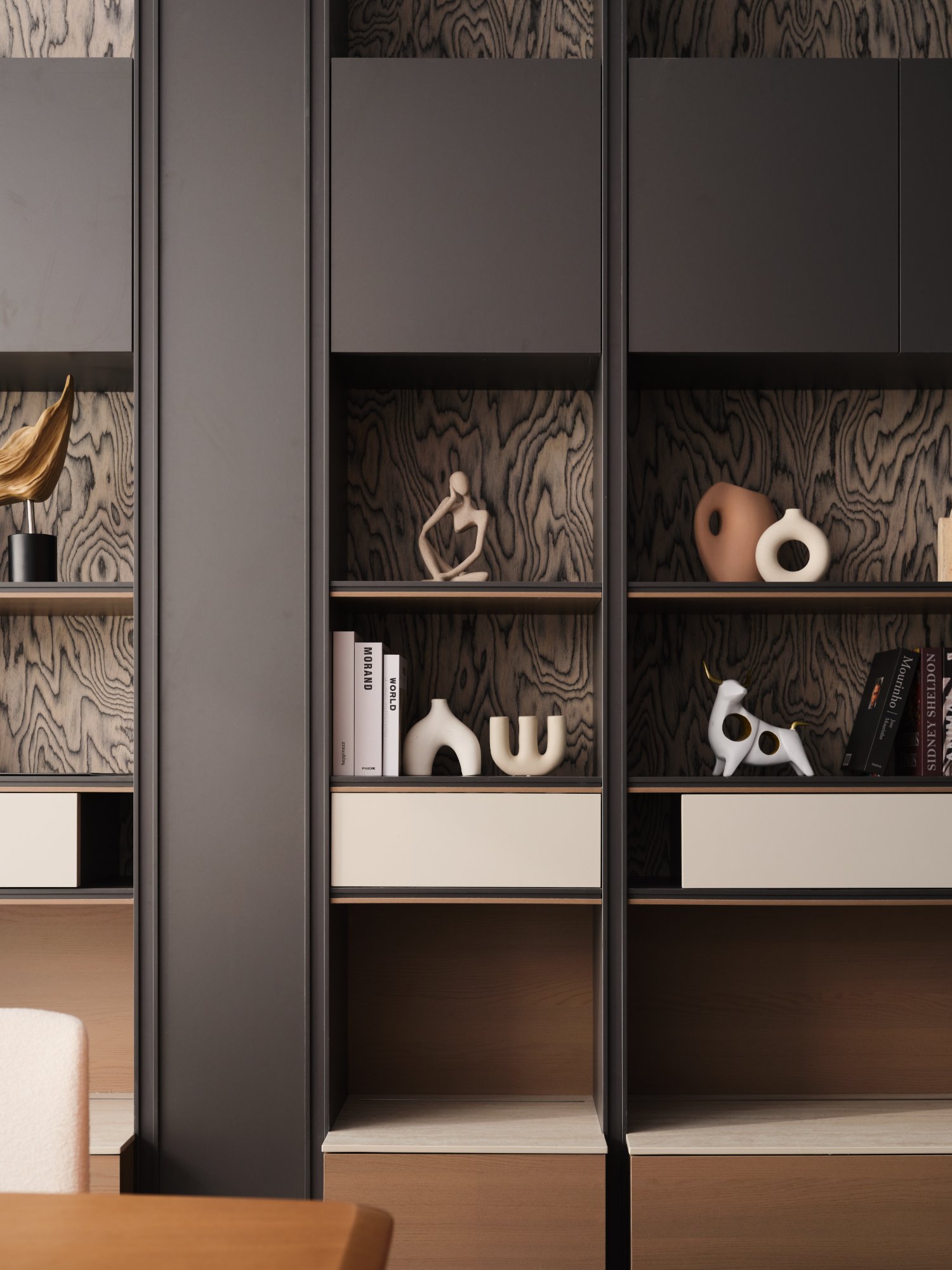
The MRETTY Advantage: Preserving Perfection
At MRETTY, our commitment to excellence extends to every fiber of the materials we use. We don't just build kitchens and cabinets; we craft enduring legacies. Our approach to wood preservation is a cornerstone of this promise.
We collaborate with leading wood preservation techniques experts to source and specify the most advanced and appropriate materials for your project. Our designs intelligently integrate these preserved materials where they matter most, ensuring your bespoke creations are not only stunning but also resilient.
The MRETTY advantage lies in our holistic understanding of wood. We know that the stability provided by thermal modification is perfect for achieving the flawless, minimalist lines of a modern kitchen. We recognize that the robust protection of pressure-treated wood provides a worry-free foundation in humid environments. Our deep knowledge allows us to blend different preservation methods and materials seamlessly, creating a final product that is both a design masterpiece and an engineering marvel. This dedication is what distinguishes a standard cabinet from a MRETTY masterpiece.
Sustainability in Wood Preservation
Modern wood preservation is intrinsically linked to sustainability. By extending the life of wood products, we reduce the need for premature replacement, thereby conserving forest resources. An expertly preserved piece of furniture can last for generations, becoming a treasured heirloom rather than a disposable item.
Furthermore, the industry has made significant strides in developing greener preservatives. The move away from toxic chemicals like Chromated Copper Arsenate (CCA) towards copper-based systems like MCA and ACQ reflects a commitment to environmental stewardship. Chemical-free methods like thermal modification are at the forefront of this green revolution.
MRETTY is proud to embrace these sustainable practices. By choosing properly preserved wood, our clients are making an environmentally responsible choice. They are investing in a product that not only reduces waste but also stores carbon for its entire, extended lifespan. Our commitment is further validated by our use of materials from sources certified by organizations like the Forest Stewardship Council (FSC), which ensures responsible forest management.
Explore MRETTY's Bespoke Collections
Discover how MRETTY integrates expertly preserved woods into our bespoke collections.
Whole-house Customization: Experience the seamless elegance of custom furniture designed for longevity. Our designers use a variety of preserved woods to craft pieces that fit your life and style perfectly.
Overall Kitchen: Explore kitchen systems where beauty meets resilience. From thermally modified wood cabinets to specially sealed countertops, our kitchens are built to withstand the demands of daily life.
Customer Frequently Asked Questions (FAQ)
Q1: Will the chemicals used in wood preservation harm my family?
A1: Modern wood preservation relies on advanced, low-toxicity compounds that are approved for residential use. Preservatives like Micronized Copper Azole (MCA) are tightly bonded to the wood fibers and are safe for human contact once the wood is properly dried. MRETTY exclusively uses materials that meet stringent international safety standards.
Q2: Does treated wood look unnatural?
A2: Not at all. While some older treatments left a greenish tint, modern methods are designed to respect the wood's natural beauty. Thermal modification deepens the wood to a rich, uniform brown, while micronized copper treatments leave a more natural, warm tone. The finishes we apply further enhance the grain and color.
Q3: How do I care for my preserved wood furniture from MRETTY?
A3: Maintenance is simple. For interior pieces, regular dusting with a soft, dry cloth is usually sufficient. For cleaning, use a damp cloth with a mild, pH-neutral soap, and dry immediately. Avoid harsh chemical cleaners. We provide detailed care instructions specific to the materials and finishes used in your custom project.
Q4: Can preserved wood be used for kitchen countertops?
A4: Yes, certain hardwoods, when properly treated and sealed with a food-safe finish, make beautiful and durable kitchen countertops. We use specialized sealing techniques to create a non-porous, hygienic surface that is resistant to water and stains, bringing natural warmth to the heart of your home.
Client Showcase & Testimonials
The Sentosa Cove Residence
"We wanted a kitchen that felt open, natural, and connected to our seaside view. MRETTY designed a stunning space using thermally modified oak for the cabinetry. The wood’s rich color and incredible stability have been flawless, even with the humid sea air. It’s been three years, and it looks as perfect as the day it was installed. The craftsmanship is simply unparalleled."
– Mrs. Eleanor Tan
A Minimalist HDB in Bishan
"Our main concern was durability and making the most of a smaller space. The MRETTY team suggested using specialized moisture-resistant materials for our integrated wardrobe and bathroom vanity. Their knowledge of wood preservation techniques experts' methods gave us complete peace of mind. The result is sleek, modern, and incredibly practical."
– Mr. David Lim
In the world of bespoke design, every detail matters. The unseen art of wood preservation is what elevates a beautiful object into a timeless treasure. It is a quiet promise of quality, a testament to craftsmanship that endures. At MRETTY, we honor this art by making it an integral part of our own. As a Forest Stewardship Council (FSC) certified company, we are committed to building a more beautiful and sustainable future, one exquisitely crafted piece at a time.
Let us help you create a space defined by enduring elegance.
Book a Free Consultation Now
About the Author
Author: Yang Song
As a lead designer at MRETTY, Yang Song has been instrumental in shaping some of the firm's most iconic residential projects. His work on the "Orchard Boulevard Penthouse" collection won the prestigious Singapore Interior Design Excellence Award for its innovative use of thermally modified woods and minimalist aesthetics.
MRETTY: Premium Bespoke Kitchen & Cabinet Systems Provider in Singapore.
