
 Singapore
 China
China
Every magnificent home begins as a whisper of an idea. It starts with a vision of tailored elegance, a desire for spaces that reflect personal style while offering supreme functionality. Translating these ethereal concepts into tangible reality requires more than just imagination. It requires a proven blueprint. This is exactly where architectural and interior design case studies become invaluable resources for homeowners and designers alike.
Case studies act as a bridge between abstract dreams and concrete execution. By examining how others have successfully navigated spatial challenges, you gain a clearer perspective on what is possible within your own walls. These detailed reports offer a window into the transformative journey of a space, showcasing the seamless integration of aesthetics, lifestyle needs, and innovative storage solutions. They reveal the true potential of tailored living, guiding you toward eco-conscious choices and space-saving elegance.
For individuals embarking on a whole-house customization journey, understanding how to read and analyze these examples is a fundamental step. They provide a wealth of inspiration for everything from commanding island cabinets to serene bathroom cabinets. Reading through a well-documented project allows you to visualize the flow of a room, the warmth of a wooden wall panel, and the quiet luxury of bespoke craftsmanship.
This guide will walk you through the art of utilizing case studies. You will learn how to identify the methodologies behind successful renovations, how to evaluate different design types, and how MRETTY uses these insights to craft environments that are both adaptable and luxurious. Let us explore how these real-world examples can illuminate your path to a beautifully curated home.
The Purpose and Importance of Case Studies in Research and Business
In the realm of interior design and bespoke cabinetry, case studies serve a profound purpose. They are not merely portfolios of beautiful photographs. Instead, they are comprehensive analyses of problem-solving. A detailed case study explains the "why" and "how" behind every design choice, offering a transparent look at the creative process.
For homeowners, these documents build trust and clarity. When you are investing in custom wardrobes or intricate study bookcases, you want assurance that the final product will meet your exact specifications. A case study demonstrates a provider's ability to listen, adapt, and execute. It shows how specific lifestyle requirements—such as integrating smart home technology or utilizing certified non-toxic materials—are successfully brought to life.
From a business perspective, case studies are essential tools for communication. They allow luxury brands to showcase their expertise in space optimization and sustainable design. By detailing the journey from initial consultation to final installation, companies provide clear proof points of their value. This transparency fosters a deep connection with clients, proving that their unique cultural and functional needs will be handled with the utmost care and professionalism.
Types of Case Studies
Understanding the different formats of case studies can help you find the exact inspiration you need for your upcoming renovation. Each type serves a distinct narrative purpose, illuminating different aspects of the design and installation process.
Explanatory Case Studies
These focus on the reasoning behind specific design decisions. For example, an explanatory report might detail why a particular entrance shoe cabinet was designed with hidden ventilation and smart lighting. It explains the cause-and-effect relationship between the homeowner's lifestyle and the final custom solution.
Exploratory Case Studies
Exploratory formats are often used when approaching unprecedented design challenges. If a client wants to fuse modern simplicity with rich, multi-cultural design elements in a highly unusual floor plan, an exploratory case study documents this uncharted journey. It highlights innovative approaches to bespoke kitchen and cabinet systems.
Descriptive Case Studies
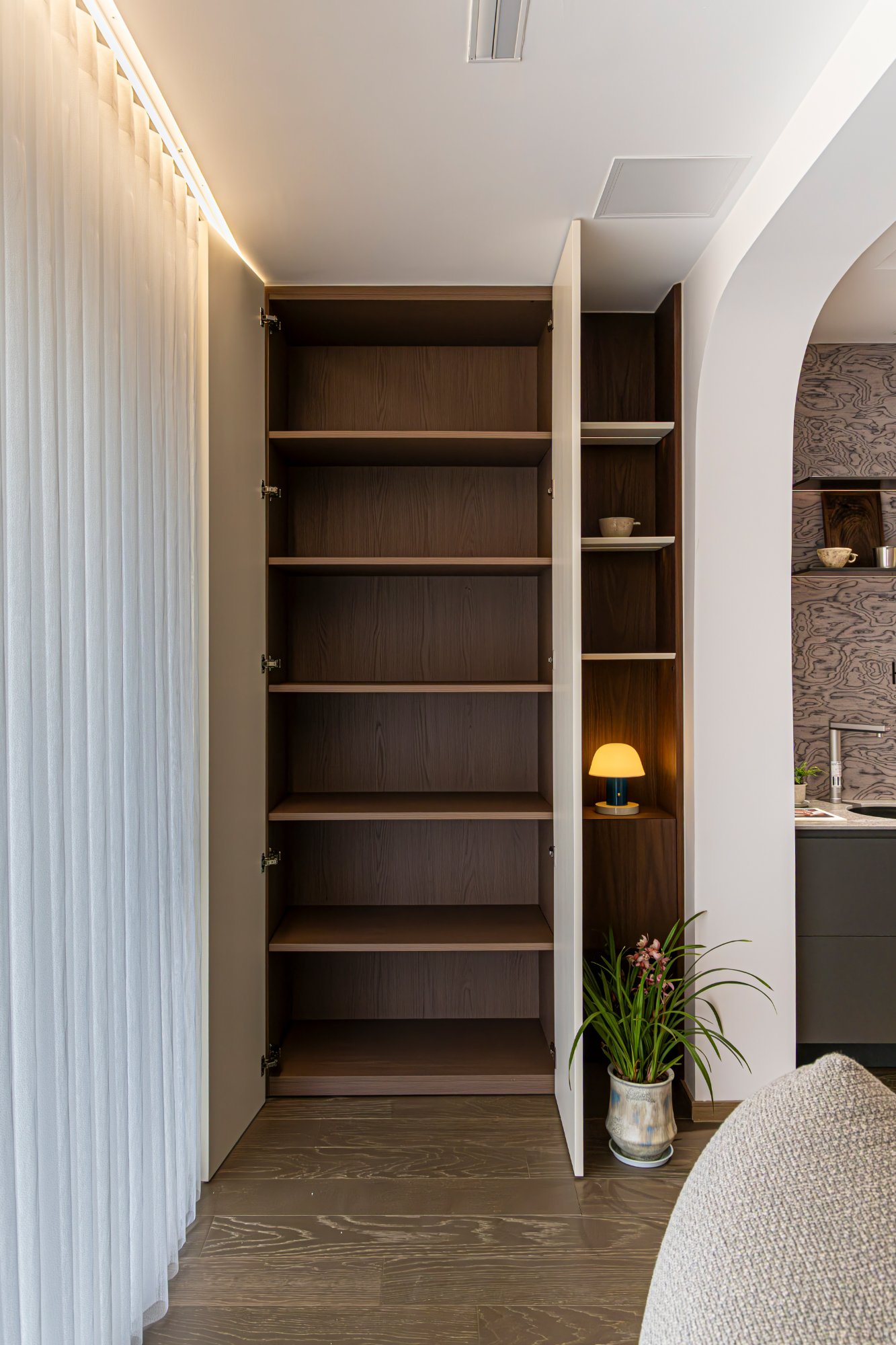
As the name suggests, descriptive reports paint a vivid picture of the completed project. They focus heavily on the visual and tactile elements of the space. You will read lush descriptions of the textures used in cloakrooms, the sustainable finishes on dining sideboards, and the seamless integration of modern aesthetics. These are highly visual and deeply inspiring.
Key Components of a Successful Case Study
A truly compelling case study is built on a foundation of structure and storytelling. It must guide the reader through a logical progression, ensuring that the challenges, solutions, and outcomes are beautifully articulated.
The journey typically begins with a clear client profile. Understanding the homeowner's age, lifestyle, and specific desires sets the stage. Whether designing for young adults seeking tech-savvy integrations or seniors prioritizing accessible, comfortable layouts, the context is crucial.
Next, the narrative must outline the core challenges. Perhaps the space was a compact apartment requiring extreme space optimization, or a sprawling private residence in need of cohesive, whole-house customization. Following the challenge, the case study should detail the specific solutions applied. This includes the selection of eco-friendly materials, the drafting of flexible layouts, and the crafting of tailored indoor cabinets. Finally, a successful report concludes with the results, often highlighting customer satisfaction and the lasting impact of the design.
Methodologies for Conducting Case Study Research
Creating these detailed reports requires a rigorous and empathetic methodology. Designers and researchers must gather qualitative and quantitative data to build a complete picture of the project's success.
The process often involves in-depth interviews with the homeowners, capturing their emotional response to the new space. Researchers will ask about the functionality of their new bathroom cabinets or the convenience of their tailored study bookcases. This direct feedback forms the emotional core of the narrative.
Additionally, observational data is collected. Designers evaluate how the space performs in everyday life, checking the durability of the finishes and the efficiency of the storage systems. By combining these personal testimonials with objective observations, the resulting case study becomes a robust, reliable testament to the power of bespoke design.
Analysis of Real-World Case Study Examples
To truly appreciate the value of this research, we must look at how it applies to real-world environments. Consider a recent project where a family required a complete overhaul of their living and dining areas. The challenge was to create a luxurious, unified look that maximized storage without cluttering the visual space.
The solution involved a series of interconnected bespoke systems. A grand island cabinet became the focal point of the kitchen, providing ample workspace and concealed storage. This flowed seamlessly into the dining area, where an elegant sideboard was installed to house fine china and entertaining essentials.
In the private quarters, custom wardrobes were designed to ceiling height, optimizing every inch of vertical space. The master suite featured a sprawling cloakroom, meticulously organized to reflect the client's daily routine. By examining this project, future clients can clearly see how MRETTY transforms disjointed rooms into harmonious, highly functional sanctuaries.
Best Practices for Writing and Presenting Case Studies
When documenting interior transformations, the presentation is just as important as the content. The language used should be refined and engaging, appealing to a sense of style and quality.
Use vivid imagery to paint mental pictures of the spaces. Instead of simply stating that a room has a wooden wall panel, describe the warm, inviting texture it brings to the living area. Employ short, descriptive phrases to convey elegance and sophistication.
Furthermore, incorporate multimedia elements to enhance the narrative. High-resolution photo galleries, interactive design layouts, and video walkthroughs provide a comprehensive view of the project. Always ensure that the tone remains empathetic and focused on the client's ultimate comfort and joy.
Challenges and Limitations of the Case Study Method
While incredibly valuable, this method of documentation does have its limitations. The primary challenge is that every bespoke project is, by nature, entirely unique. A solution that works perfectly for one family's HDB apartment may not translate directly to another's private condo.
There is also the challenge of subjectivity. Aesthetic preferences are highly personal. What one case study highlights as a pinnacle of modern simplicity, another reader might find too austere.
To overcome these limitations, it is essential to read multiple case studies. By reviewing a wide variety of projects, you can identify underlying principles of good design—such as the importance of sustainable materials and intelligent space planning—that apply universally, regardless of the specific aesthetic.
Frequently Asked Questions
How do case studies help me choose the right design?
They provide real-world proof of how different layouts and materials function in daily life, helping you visualize how bespoke indoor cabinets and wardrobes will look and feel in your own home.
Are the materials featured in these projects safe for my family?
Yes. We prioritize eco-conscious choices, utilizing certified non-toxic materials to ensure a safe, healthy, and luxurious home environment.
Can smart technology be integrated into custom cabinetry?
Absolutely. Our case studies frequently highlight the seamless smart integration within our whole-house customization projects, making your living spaces both beautiful and highly efficient.
Transforming Inspiration into Reality
The journey to your dream home is paved with inspiration, meticulous planning, and the right partnership. By exploring detailed case studies, you empower yourself with knowledge and vision. You discover the profound difference that tailored elegance and thoughtful space optimization can make in your daily life.
MRETTY is dedicated to bringing your unique vision to life with uncompromising quality and sustainable practices. We proudly utilize FSC-certified materials, ensuring that your luxurious new spaces are as kind to the environment as they are beautiful to behold. Let us turn your inspiration into a breathtaking reality.
Book a Free Consultation Now.
Aida
Lead Interior Architect, MRETTY
Winner of the Global Excellence in Design Award for "The Azure Haven" bespoke residential project.
MRETTY: Premium Bespoke Kitchen & Cabinet Systems Provider in Singapore.
