
 Singapore
 China
China
Step into a space where tranquility reigns, defined by the unique sensory experience of a tatami room. For centuries, tatami has been the foundation of Japanese interiors, symbolizing simplicity, nature, and a mindful way of living. Today, its timeless appeal is finding a new voice in modern homes around the world, blending cultural heritage with contemporary design.
Integrating this iconic element into your home requires understanding its tradition and embracing modern interpretation. This guide explores the art of tatami room flooring compatibility, bridging cultural significance with personal style through compatible furniture and design elements. At MRETTY, we believe that a truly elegant home is one where every element exists in harmony, and we are here to help you create your own sanctuary built upon the serene foundation of tatami.
The Soul of the Japanese Home: Understanding Tatami
Before one can design with tatami, one must understand its essence. Tatami is not merely flooring; it is a multi-layered cultural artifact that has shaped Japanese architecture and lifestyle for over a millennium, deeply influencing Japanese design and daily routines.
The standard tatami mat is a masterpiece of natural craftsmanship, with a core (doko) traditionally made from tightly compacted rice straw for insulation and firmness. This core is covered with a finely woven mat of soft rush grass (igusa), known as the omote, emitting a natural fragrance cherished for relaxation. Finally, the long edges of the mat, the heri, are bound with decorative fabric strips, which often feature elegant, understated colors that can signify status or regional tradition.
Historically, tatami mats were a luxury reserved for the nobility and samurai class, used as portable seating before evolving into the wall-to-wall flooring we see today. Their standardized size became the very module for Japanese architecture; room dimensions were not measured in meters or feet, but in the number of tatami mats they could hold (e.g., a "six-mat room"). This modularity created an inherent sense of order and proportion.
The tatami room, or washitsu, became the center of domestic life. It was a fluid, multifunctional space that embraced a philosophy of minimalism. By day, a low table (chabudai) could be placed for dining or work, and by night, it was stored away, with soft futons laid out for sleeping. This transformative quality resonates powerfully with modern urban homeowners seeking to make the most of compact living spaces.
Furnishing the Tatami Room: A Symphony of Style and Function
Decorating a tatami room is an exercise in restraint and intention. The goal is to complement the natural beauty of the mats, not overwhelm them. The delicate igusa weave is vulnerable to the weight and sharp edges of conventional Western furniture, making compatibility crucial for both aesthetics and practicality.
Honoring Tradition: The Classic Approach
The traditional washitsu is a study in elegant simplicity. It is furnished with pieces that are low to the ground, lightweight, and easily moved, preserving the visual harmony of the space.
Zaisu and Zabuton: Instead of chairs, seating consists of zabuton (flat floor cushions) and zaisu (legless floor chairs) that provide back support. This keeps the room’s profile low and open, preserving the visual harmony.
Chabudai: The low dining or tea table is a central piece, designed to be used while seated on the floor. Its light construction allows it to be easily cleared to transform the room’s function.
Byōbu (Folding Screens): These beautiful screens are not just decorative; they are functional art. A byōbu can be used to divide a space, create a private nook, or simply act as an elegant backdrop, and their lightweight nature means they leave no mark on the tatami.
Integrated Storage: Traditional Japanese homes masterfully integrate storage. Oshiire—deep, built-in closets with sliding fusuma doors—are used to store futons, cushions, and other items, keeping the living space uncluttered. This concept is the direct ancestor of modern bespoke cabinetry.
The Modern Fusion: Contemporary Tatami Living
Integrating tatami into a modern home does not mean sacrificing contemporary comforts. It’s about creating a dialogue between two worlds. The key is to select furniture that respects the physical limitations of tatami while aligning with a modern aesthetic.
Lightweight Legged Furniture: While heavy, sharp-legged furniture is a definitive "no," you are not limited to floor living. Choose sofas, chairs, and tables with wide, flat "sled" bases or legs that distribute weight evenly. Look for pieces made from lighter materials like rattan, bentwood, or aluminum. A beautifully crafted wooden bench with flat leg supports can provide seating without damaging the mats.
Platform Beds: To use a mattress in a tatami room, a low-profile platform bed is the ideal solution. It elevates the mattress slightly for comfort and air circulation while distributing its weight across a large surface area, protecting the delicate mats below.
Bespoke Cabinetry and Shelving: This is where MRETTY’s expertise in whole-house customization shines. Instead of freestanding, heavy bookcases or dressers that can crush tatami, opt for custom-built integrated solutions.
Floating Shelves and Consoles: Wall-mounted units create storage and display space without ever touching the floor. A floating media console in a minimalist design can house your entertainment system while maintaining a light, airy feel.
Custom Wardrobes and Cabinets: A floor-to-ceiling wardrobe, expertly installed along one wall, can provide immense storage while becoming a seamless part of the room’s architecture. By designing it to sit just off the tatami or on a protective base, you preserve the flooring. At MRETTY, we can craft these systems from materials that complement the natural tones of the tatami, creating a cohesive, unified look.
Tatami Platform with Storage: A popular modern solution is to elevate a section of a room on a custom-built platform, inset with tatami mats. The platform itself can contain hidden drawers or lift-up storage compartments, brilliantly maximizing space in a compact apartment. This creates a dedicated tatami zone without committing the entire room.
Designing with Tatami: Color, Light, and Texture
A successful tatami room is a holistic environment. Beyond furniture, consider how other design elements interact with the flooring.
Color Palette
Let the tatami guide your color choices. The natural, earthy green-gold of the igusa straw pairs beautifully with neutral tones like beige, cream, grey, and charcoal. For accent colors, look to nature: the deep blue of indigo, the soft pink of cherry blossoms, or the rich brown of dark wood. MRETTY’s custom cabinetry can be finished in a palette that harmonizes perfectly with these natural hues.
Wall Treatments
Keep walls simple to let the tatami be the star. Plastered walls in a soft, textured finish or high-quality wall coverings in a subtle pattern work well. For a truly authentic touch, consider a feature wall with a shoji screen element or elegant wood paneling. MRETTY’s custom wood wall panels can add warmth and sophisticated texture, connecting the walls to the natural material of the floor.
Lighting
Lighting should be soft and layered. Avoid harsh, direct overhead lights. Instead, use a combination of sources. A pendant lamp with a paper or fabric shade (andon) provides gentle ambient light. Wall sconces can wash the walls with a soft glow, and floor lamps (with wide, safe bases) can create cozy reading corners. The goal is to create pools of light and shadow, adding depth and tranquility to the space.
Textiles and Decor
Limit clutter in your tatami room. Choose a few meaningful decorative objects over a collection of many. A single, beautiful piece of pottery (ikebana vessel), a wall-hanging scroll (kakejiku), or cushions made from rich, textured fabrics like silk or linen can provide the perfect finishing touch.
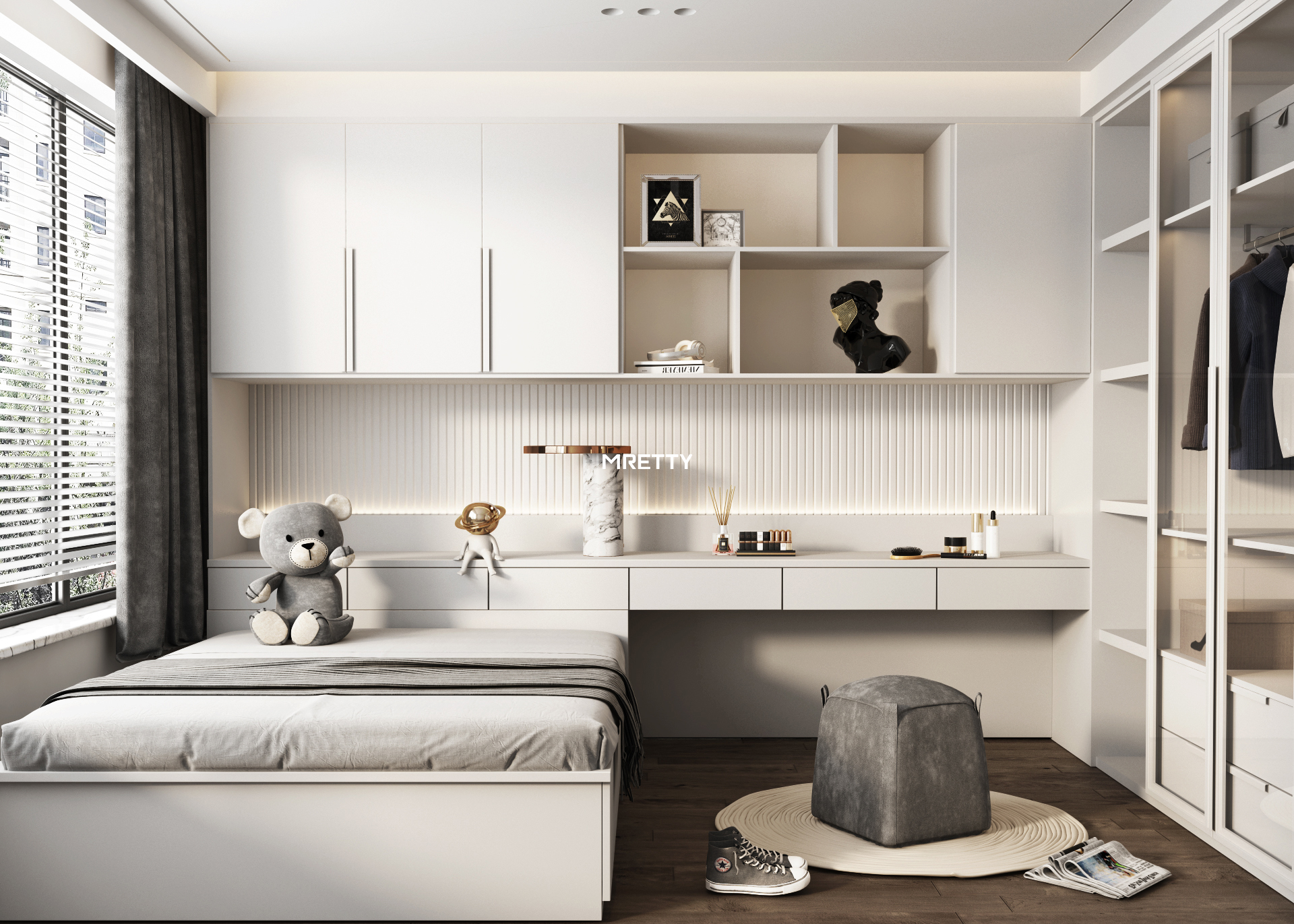
MRETTY: Your Partner in Harmonious Design
Creating a home that successfully blends tradition with modern living requires a deep understanding of materials, space, and craftsmanship. At MRETTY, we don’t just build cabinets; we create cohesive living environments. Our philosophy of whole-house customization is perfectly aligned with the principles of tatami living.
Maximizing Space
Just as the traditional washitsu was designed for multifunctional living, our bespoke storage solutions are engineered to make every inch of your space work for you. From custom closets that mimic the seamlessness of an oshiire to innovative platform storage, we help you maintain an uncluttered, serene home.
Unified Aesthetics
We ensure that your custom cabinetry, wardrobes, and wall panels flow in perfect harmony with your chosen design elements, including tatami. Our wide range of finishes and materials allows us to create a look that is both deeply personal and elegantly unified.
Quality and Durability
MRETTY is committed to excellence. Our use of premium, sustainable materials ensures that your bespoke furniture is not only beautiful but also built to last, a worthy companion to the timeless craftsmanship of tatami. Our commitment to quality is certified by our adherence to FSC (Forest Stewardship Council) standards, ensuring our materials are sourced responsibly.
Care and Maintenance: Preserving Your Tatami
Tatami is a natural, breathing product. With the right care, it will serve you beautifully for years.
Cleaning: Vacuum your tatami regularly, always in the direction of the weave, to prevent dust from getting trapped. For spills, blot immediately with a dry cloth. Avoid using wet mops or harsh chemical cleaners, which can cause mold and discoloration. A lightly dampened cloth can be used for occasional wiping.
Ventilation: Good airflow is crucial to prevent moisture buildup. On dry, sunny days, open the windows to let the room breathe.
Protection: Never walk on tatami with shoes. Avoid placing heavy furniture with sharp legs directly on the mats. Use coasters or protective pads under table legs and other items. Periodically rotate or reposition any furniture to prevent permanent indentations.
Sunlight: Direct sunlight can cause the igusa to fade and become brittle over time. Use curtains or blinds to filter harsh UV rays.
Customer FAQs
Q: Can I install tatami in a modern apartment?
A: Absolutely. Tatami can be installed in a single room to create a dedicated space for tea, meditation, or relaxation. Another popular option is a raised platform with tatami inserts, which works wonderfully in HDBs and condos to delineate a space while adding storage.
Q: Is tatami suitable for a home with children or pets?
A: Tatami is soft and provides a safe surface for children to play on. However, the natural rush is delicate, and spills should be cleaned immediately. For pets, claws can snag and damage the weave, so it may not be the ideal choice for rooms frequented by cats or dogs with untrimmed nails.
Q: How long does tatami last?
A: With proper care, the omote (rush covering) can last for 5-8 years before it may need to be flipped or replaced. The durable core, or doko, can last for decades. Its lifespan depends heavily on use, climate, and maintenance.
Related MRETTY Products for Your Harmonious Home
Custom Wardrobes: Seamlessly integrated closets that offer maximum storage while maintaining a minimalist aesthetic, perfect for a tatami room.
Bespoke Bookcases and Shelving: Wall-mounted or built-in units that provide display and storage without weighing down your delicate flooring.
Wood Wall Panels: Add warmth, texture, and a natural element to your walls, creating a beautiful connection to the tatami underfoot.
Custom Bathroom Vanities: Extend the serene, natural aesthetic of your home into the bathroom with bespoke vanities that blend function and spa-like tranquility.
The elegance of a tatami room lies in its harmony—the balance between nature and design, tradition and modernity, space and spirit. It invites a slower, more intentional way of living. By choosing compatible furniture and embracing the principles of minimalist design, you can create a space that is not only beautiful but also a true sanctuary for the soul.
At MRETTY, our commitment to quality is certified by our adherence to FSC (Forest Stewardship Council) standards, ensuring our materials are sourced responsibly. We are dedicated to helping you craft a home that reflects your vision with elegance and precision. Book a Free Consultation Now to discover how MRETTY’s bespoke solutions can bring harmony to your home.
Author: Yang Song
Yang Song is a lead designer at MRETTY, celebrated for his innovative approach to blending minimalist aesthetics with functional living. His award-winning project, "The Sentosa Cove Zen Apartment," was lauded for its masterful integration of traditional materials and modern, space-efficient design.
MRETTY: Premium Bespoke Kitchen & Cabinet Systems Provider in Singapore.
