
 Singapore
 China
China
The soul of a space is often found in its details. Among the most expressive and enduring of these is architectural woodwork design, a craft that transforms raw timber into expressions of art, function, and timeless beauty. It is the sweeping curve of a grand staircase, the intricate pattern of a coffered ceiling, and the warm welcome of a solid oak door. For centuries, wood has been the material of choice for artisans and designers seeking to infuse structures with warmth, character, and a connection to nature.
At MRETTY, we believe that exceptional woodwork is more than just an accent; it is a foundational element of sophisticated living. It shapes atmosphere, defines style, and elevates a house into a home. This comprehensive guide explores the rich history, modern applications, and enduring allure of architectural woodwork design. We will journey through its storied past, uncover the techniques that bring it to life, and look toward a future where tradition and innovation merge seamlessly.
The Storied History of Architectural Woodwork
The legacy of architectural woodwork is as old as civilization itself. Early cultures used wood for its practicality—shelter, tools, and fire. However, it quickly evolved into a medium for artistic and spiritual expression. From the intricately carved totem poles of indigenous tribes to the majestic timber frames of ancient Japanese temples, wood has always told a story.
In Europe, the Gothic period saw an explosion of elaborate woodwork in cathedrals. Soaring vaulted ceilings, ornate choir screens (rood screens), and detailed altarpieces demonstrated the pinnacle of medieval craftsmanship. Artisans, often working with just hand tools, created works of such complexity that they remain marvels of engineering and artistry today.
The Renaissance brought a shift toward classical symmetry and proportion, influenced by the rediscovery of Greek and Roman principles. Woodwork became more refined. Italian artisans mastered the art of intarsia (wood inlay), creating pictorial scenes with breathtaking detail. In England, the Elizabethan and Jacobean eras are celebrated for their heavy oak paneling, grand staircases with carved newel posts, and ornate furniture, which were status symbols in the great houses of the aristocracy.
The 18th century's Georgian and Neoclassical styles favored elegance and restraint. Mahogany became the wood of choice, its rich, reddish-brown hue and fine grain lending itself to the delicate carvings and clean lines championed by designers like Thomas Chippendale and Robert Adam. The 19th-century Arts and Crafts movement, a reaction against industrial mass production, championed a return to traditional craftsmanship. Figures like William Morris advocated for handcrafted, honest woodwork that celebrated the natural beauty of the material.
This rich heritage forms the bedrock of modern architectural woodwork design. Today, we draw from this vast library of styles and techniques, reinterpreting them for contemporary living while honoring the skill and artistry of those who came before.
The Significance of Woodwork in Architectural Aesthetics
Architectural woodwork does more than just decorate; it fundamentally defines and enhances architectural space. Its impact is multifaceted, influencing everything from the atmosphere of a room to the perceived value of a property.
Adding Warmth and Texture
In an age often dominated by cold, hard surfaces like glass, steel, and concrete, wood introduces an essential element of natural warmth. The grain of a timber plank, the smooth finish of a polished surface, or the rustic texture of reclaimed beams creates a tactile and visual softness that is inherently inviting. This biophilic connection—our innate tendency to seek connections with nature—makes spaces with wood feel more calming and restorative.
Defining Space and Function
Woodwork is a powerful tool for delineating areas within an open-plan design. A dropped ceiling with wooden beams can create a more intimate dining area within a larger living space. A built-in bookshelf can serve as a room divider, adding both storage and visual interest. Archways, columns, and wainscoting can guide the eye and create a sense of passage and arrival, structuring the experience of moving through a home.
Expressing Style and Personality
From the minimalist purity of Scandinavian design to the ornate luxury of a classic European interior, woodwork is a primary vehicle for stylistic expression. The choice of wood, finish, and design complexity can convey a wide range of aesthetics. MRETTY specializes in translating a client's personal vision into bespoke woodwork, ensuring that every detail—from the profile of a cabinet door to the turn of a banister—reflects their unique taste.
Creating Focal Points and Drama
A single, masterfully executed piece of architectural woodwork can become the focal point of a room. Imagine a monumental fireplace mantel, a library lined with floor-to-ceiling bookcases, or a sculptural spiral staircase. These elements draw the eye, command attention, and elevate the design from ordinary to extraordinary. They become the "wow" factor that guests remember and homeowners cherish.
Popular Wood Types in Architectural Design
The selection of wood is a critical first step in any woodwork project. Each species offers a unique combination of color, grain, hardness, and workability.
Oak (Red and White)
A timeless classic, oak is prized for its strength, durability, and prominent grain pattern. White oak is particularly resistant to rot and water, making it suitable for everything from flooring and cabinetry to exterior applications. Its robust nature makes it ideal for traditional and rustic designs.
Walnut
Known for its rich, dark chocolate color and smooth, often straight grain, walnut exudes luxury and sophistication. It is a favorite for high-end furniture, cabinetry, and wall panels. Its deep tones provide a stunning contrast to lighter materials.
Maple
A light-colored, dense hardwood with a subtle, fine grain. Maple is incredibly durable and offers a clean, contemporary look. It is often used for modern cabinetry, flooring, and butcher block countertops. Its uniform surface is also an excellent canvas for paints and stains.
Cherry
Famous for the beautiful reddish-brown patina it develops with age and exposure to light. Cherry has a fine, straight grain and a smooth texture. It is a popular choice for elegant cabinetry, fine furniture, and architectural moldings, bringing a sense of warmth and grace to interiors.
Mahogany
A tropical hardwood with a signature reddish-brown color that deepens over time. Mahogany is renowned for its exceptional stability, workability, and resistance to decay. It has been the standard for fine furniture and high-end millwork for centuries.
Teak
Unparalleled in its natural resistance to moisture, insects, and decay, thanks to its high oil content. Teak is the premier choice for outdoor furniture, boat decking, and bathroom installations. Its golden-brown luster adds a touch of resort-style luxury.
Modern Woodwork Craftsmanship Techniques
While the spirit of craftsmanship remains, modern technology has expanded the horizons of what is possible in architectural woodwork design. Today’s artisans blend age-old hand skills with cutting-edge precision tools.
CNC Machining
CNC (Computer Numerical Control) routers can execute incredibly complex designs with flawless precision. This technology allows for the creation of intricate fretwork, detailed carvings, and perfectly matched components that would be prohibitively time-consuming to create by hand. At MRETTY, we use CNC technology to achieve unparalleled accuracy in our bespoke cabinetry systems.
Veneering and Lamination
Veneering involves applying thin slices of premium wood onto a stable substrate. This technique makes exotic and rare woods more accessible and sustainable. It also allows for creative applications like book-matching, where two adjoining veneer sheets are opened like a book to create a mirrored grain pattern—a stunning effect for wall panels or cabinet doors.
Joinery
The art of joining two pieces of wood is the foundation of all woodwork. While traditional joints like mortise-and-tenon and dovetails are still hallmarks of quality, modern fasteners and adhesives have enhanced the strength and efficiency of assembly. The choice of joinery often depends on the desired aesthetic—exposed dovetails can be a design feature, while hidden fasteners offer a seamless, modern look.
Finishing
The final finish is what protects the wood and brings out its natural beauty. Modern finishing technology offers a vast array of options, from traditional oils and waxes that provide a soft, natural luster to high-performance polyurethanes and lacquers that offer superior durability and resistance to scratches and stains. MRETTY offers a curated selection of finishes to match any style and performance requirement.
Iconic Architectural Woodwork Projects
Across the globe, certain projects stand as testaments to the power of architectural woodwork.
The Gamble House, Pasadena
A masterpiece of the American Arts and Crafts movement, this home, designed by Greene and Greene, features an extraordinary integration of structure and custom woodwork. Every joint, peg, and surface is meticulously crafted from multiple wood species like teak, maple, and mahogany, creating a harmonious and organic whole.
Chapel of the Holy Cross, Sedona
While the structure is famously built into the red rocks, its interior is softened by the simple, elegant lines of its wooden pews and altar. The woodwork provides a warm, human-scale counterpoint to the monumental scale of the surrounding landscape and concrete structure.
Kioi Hall, Tokyo
This concert hall is celebrated for its acoustics, which are heavily influenced by the extensive use of wood paneling. The carefully angled and shaped wooden surfaces not only create a visually warm and inviting space but also diffuse sound perfectly, creating a world-class listening experience.
Sustainable Practices in Woodwork
In an era of growing environmental consciousness, sustainability is no longer an option but a necessity. The woodworking industry has a vital role to play in responsible forest management.
Choosing wood from sustainably managed forests is paramount. Certifications like the Forest Stewardship Council (FSC) provide an assurance that the wood is harvested in an environmentally and socially responsible manner. The FSC label guarantees that the timber comes from forests that are managed to preserve biological diversity and benefit the lives of local people and workers. MRETTY is proud to source materials from certified suppliers, ensuring our commitment to the planet is as strong as our commitment to quality.
Beyond sourcing, sustainability also involves:
- Using Reclaimed Wood: Giving old timber a new life reduces waste and brings a unique character and history to new projects.
- Efficient Design: Smart design and manufacturing processes, like those employed by MRETTY, minimize material waste.
- Low-VOC Finishes: Using finishes with low or zero volatile organic compounds (VOCs) improves indoor air quality, creating healthier living environments.
Future Trends in Architectural Woodwork Design
The future of architectural woodwork is bright and dynamic, characterized by a blend of technology, sustainability, and creative expression.
Parametric Design
Computational design tools are allowing architects and designers to create complex, flowing, and organic wooden forms that were previously unimaginable. We will see more sculptural wooden installations, feature walls, and ceilings that mimic natural patterns.
Textured and Tactile Surfaces
A move away from perfectly smooth surfaces toward more textured finishes—such as wire-brushed, sandblasted, and rough-sawn woods—is gaining momentum. These finishes enhance the tactile quality of the material and add visual depth.
Dark and Moody Woods
While light woods remain popular, there is a growing trend toward dark, dramatic woods like ebonized oak and dark walnut. These materials create a sense of cozy, sophisticated luxury.
Integrated Technology
Woodwork will increasingly be designed to seamlessly integrate smart home technology, from hidden charging stations and speakers to integrated lighting systems that can be controlled remotely.
Elevate Your Space with MRETTY
Architectural woodwork design is a testament to the enduring appeal of natural materials and human artistry. It has the power to transform any space, imbue it with warmth, character, and a sense of permanence. From the historical grandeur of paneled libraries to the sleek minimalism of modern kitchens, wood remains an unparalleled medium for creating beautiful and functional environments.
At MRETTY, we honor this tradition of excellence. Our passion is crafting bespoke woodwork that is not only aesthetically stunning but also perfectly tailored to your lifestyle. We combine the finest materials, state-of-the-art technology, and the skilled hands of master craftsmen to bring your vision to life. Our commitment to sustainability, certified by organizations like the FSC, ensures that your beautiful home is also a responsible one.
Discover the transformative power of bespoke architectural woodwork. Allow us to help you craft a space that is a true reflection of you.
Related Products
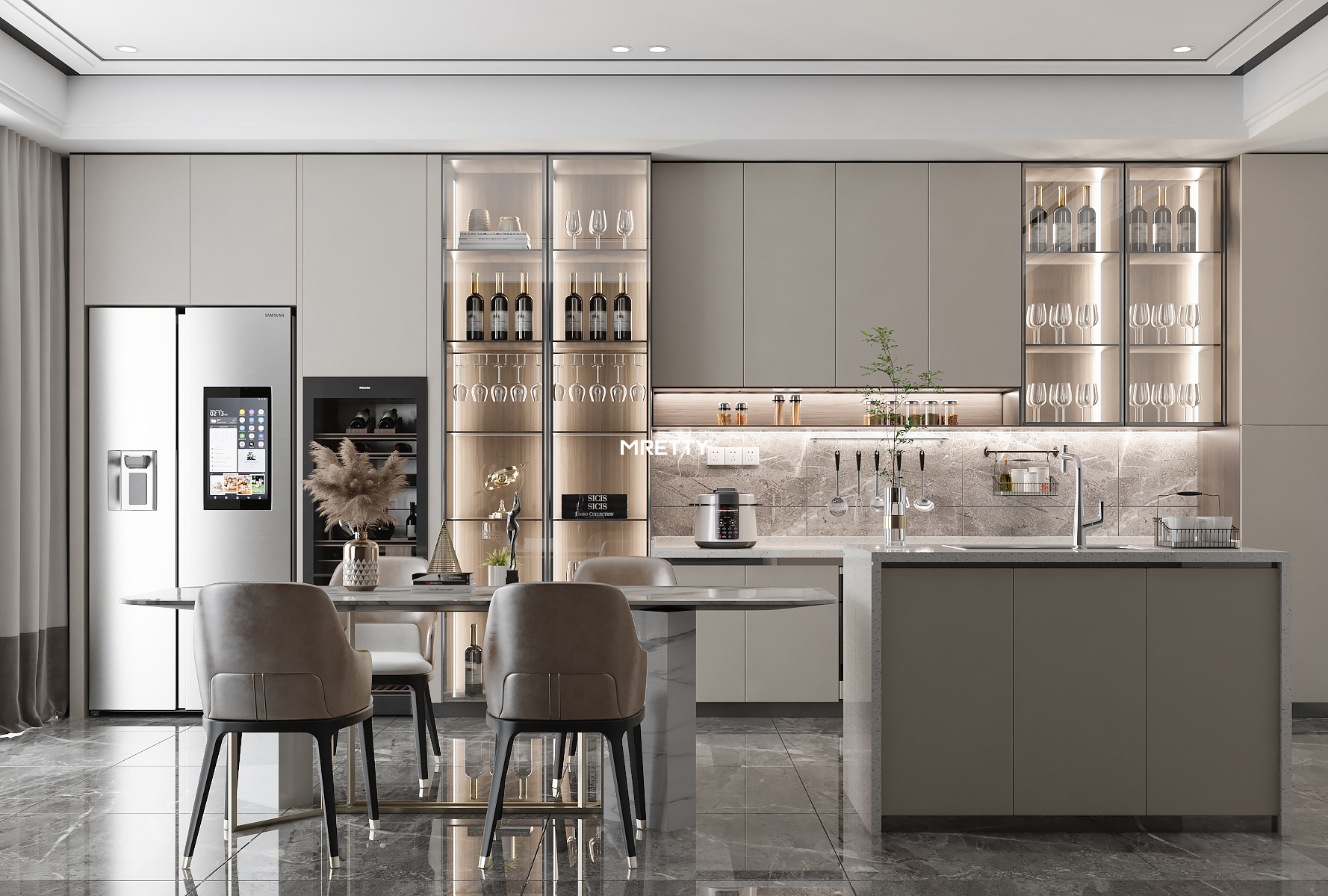
- Bespoke Kitchen Systems: Experience the heart of your home, reimagined with custom cabinetry, intelligent storage solutions, and exquisite finishes.
- Whole-House Customization: Unify your home's aesthetic with cohesive, custom-built furniture, paneling, and architectural elements for every room.
- Luxury Wardrobe Systems: Organize your life in style with walk-in closets and wardrobes designed for beauty, function, and effortless access.
Customer FAQs
What is the process for creating a custom woodwork design with MRETTY?
Our process begins with a personal consultation to understand your vision, style, and functional needs. Our designers then create detailed 3D renderings for your approval. Once finalized, our craftsmen begin production in our state-of-the-art facility, followed by professional installation.
How does MRETTY ensure the quality of its materials?
We partner with a select group of trusted suppliers who provide premium, sustainably sourced materials, including FSC-certified woods. Every piece of timber is inspected for quality before it enters our workshop.
Can you match existing woodwork in my home?
Absolutely. Our experts can analyze the wood species, stain, and finish of your existing elements to create new pieces that blend in seamlessly.
Client Testimonials
- "MRETTY transformed our living room with a custom media wall and bookshelf. The craftsmanship is flawless, and it has become the centerpiece of our home. The entire process was professional and collaborative."
– The Tan Family, Singapore
- "The walnut paneling MRETTY designed for my study is simply breathtaking. It has created the exact atmosphere of warmth and sophistication I was hoping for. I couldn't be happier with the result."
– Mr. Chen, District 10
Start Your Bespoke Woodwork Journey
Book a Free Consultation Now
About the Author
Yang Song
Principal Designer at MRETTY. Winner of the 2023 Singapore Interior Design Excellence Award for his "Sentosa Cove Waterfront Residence" project, celebrated for its innovative use of reclaimed teak and parametric wood paneling.
MRETTY: Premium Bespoke Kitchen & Cabinet Systems Provider in Singapore.
