
 Singapore
 China
China
Wood is more than a material; it is a living narrative, a slice of nature brought indoors to warm our spaces and soothe our spirits. From the deep, resonant tones of walnut to the pale, minimalist whisper of oak, timber brings an unparalleled sense of organic luxury to a home. However, as an organic material, it requires stewardship to maintain its structural integrity and aesthetic allure against the ravages of time and environment. Understanding the art and science of wood preservation techniques is essential for any discerning homeowner who views their furniture not as temporary fixtures, but as heirlooms.
At MRETTY, we believe that the beauty of a bespoke cabinet or a custom-fitted wardrobe lies not just in its initial design, but in its ability to age gracefully. The right preservation methods act as a shield, protecting the wood from moisture, pests, and wear while enhancing its natural grain and luster. Whether you are looking to install a new gourmet kitchen or preserve an antique piece, knowledge of these techniques empowers you to make choices that ensure durability and safety. This article explores the sophisticated world of wood preservation, blending traditional wisdom with modern innovation to help you protect your investment in style.
The Imperative of Wood Preservation
In its natural state, a tree has bark to protect it. Once harvested and crafted into fine joinery, wood becomes vulnerable. It is hygroscopic, meaning it absorbs and releases moisture from the air, which can lead to warping, cracking, or swelling. Furthermore, without protection, it is susceptible to biological threats like fungi and insects, as well as physical degradation from UV light and daily use.
Extending Lifecycle and Value
Effective preservation significantly extends the lifecycle of wood products. For a homeowner investing in custom joinery, this means that the stunning kitchen island or the intricate library shelving you install today will look just as breathtaking decades from now. It transforms a purchase into a long-term investment, increasing the overall value of your home.
Enhancing Aesthetic Depth
Preservation is not merely functional; it is aesthetic. Techniques such as oiling, staining, and varnishing do more than seal the pores; they celebrate the unique character of the timber. They can deepen the color, highlight the chatoyancy (the cat's eye effect) of the grain, and provide a tactile finish that invites the touch. MRETTY leverages these techniques to ensure that every surface we craft is a masterpiece of visual and tactile delight.
Traditional vs. Modern Wood Preservation Techniques
The history of wood preservation is as old as architecture itself. Over centuries, craftsmen have developed myriad ways to treat timber, ranging from natural remedies to advanced chemical engineering.
Traditional Wood Finishes: Oils and Waxes
For interior applications where human contact is frequent, natural oils and waxes remain the gold standard for their non-toxic nature and the richness they impart.
- Tung Oil and Linseed Oil: These drying oils penetrate deep into the wood fibers, hardening to form a moisture-resistant barrier from within. They do not form a plastic-like film on top, allowing the wood to "breathe" and retaining a natural, matte feel. This is a preferred method for MRETTY's "Serene Wardrobe Collection," ensuring a chemical-free environment for your clothing.
- Beeswax and Carnauba Wax: Often applied over oil, wax adds a soft sheen and an extra layer of protection against abrasion. It requires periodic re-application, a ritual that many wood lovers find meditative and rewarding as it refreshes the piece’s luster.
Modern Wood Finishes: Varnishes, Lacquers, and Polyurethanes
When durability is paramount—such as in high-traffic flooring or kitchen countertops—modern surface finishes offer superior resistance.
- Polyurethane: A synthetic resin that forms a hard, plastic-like coating. It is incredibly durable and resistant to water, heat, and solvents. Water-based polyurethanes have become popular for their low odor and quick drying times, aligning with eco-friendly building standards.
- Conversion Varnish: A professional-grade finish often used in high-end cabinetry. It is chemically cured to provide exceptional durability and resistance to moisture and household chemicals. MRETTY utilizes advanced, low-VOC (Volatile Organic Compounds) varnishes to ensure our kitchens can withstand the rigors of culinary creativity without compromising indoor air quality.
Innovative Wood Modification Techniques
Science has gifted us with methods to alter the cellular structure of wood, making it inherently more stable and durable without the use of biocides.
- Thermally Modified Wood: By heating wood to high temperatures in the absence of oxygen, its chemical composition changes. The wood becomes darker, more dimensionally stable, and less appetizing to insects and fungi. This is ideal for areas with high humidity, a common concern in Singapore's tropical climate.
- Acetylation: This process involves treating wood with acetic anhydride (essentially vinegar). It alters the wood's cell walls so they no longer absorb water. The result is a "super wood" that resists rot and swelling, perfect for bathroom vanities or semi-outdoor spaces like balconies.
Tailoring Preservation Techniques for Home Zones
Not all wood preservation techniques are suitable for every zone of the home. The choice must be tailored to the specific environmental stresses the furniture will encounter.
Kitchen Cabinetry: The Culinary Zone
The kitchen is a battlefield of heat, steam, grease, and water. Here, protection must be robust. MRETTY recommends high-performance finishes like catalyzed lacquers or specialized UV-cured coatings. These provide a seamless, non-porous surface that is easy to clean and impervious to food stains, ensuring your "Gourmet Kitchen System" remains pristine.
Bedroom and Living Areas: The Sanctuary
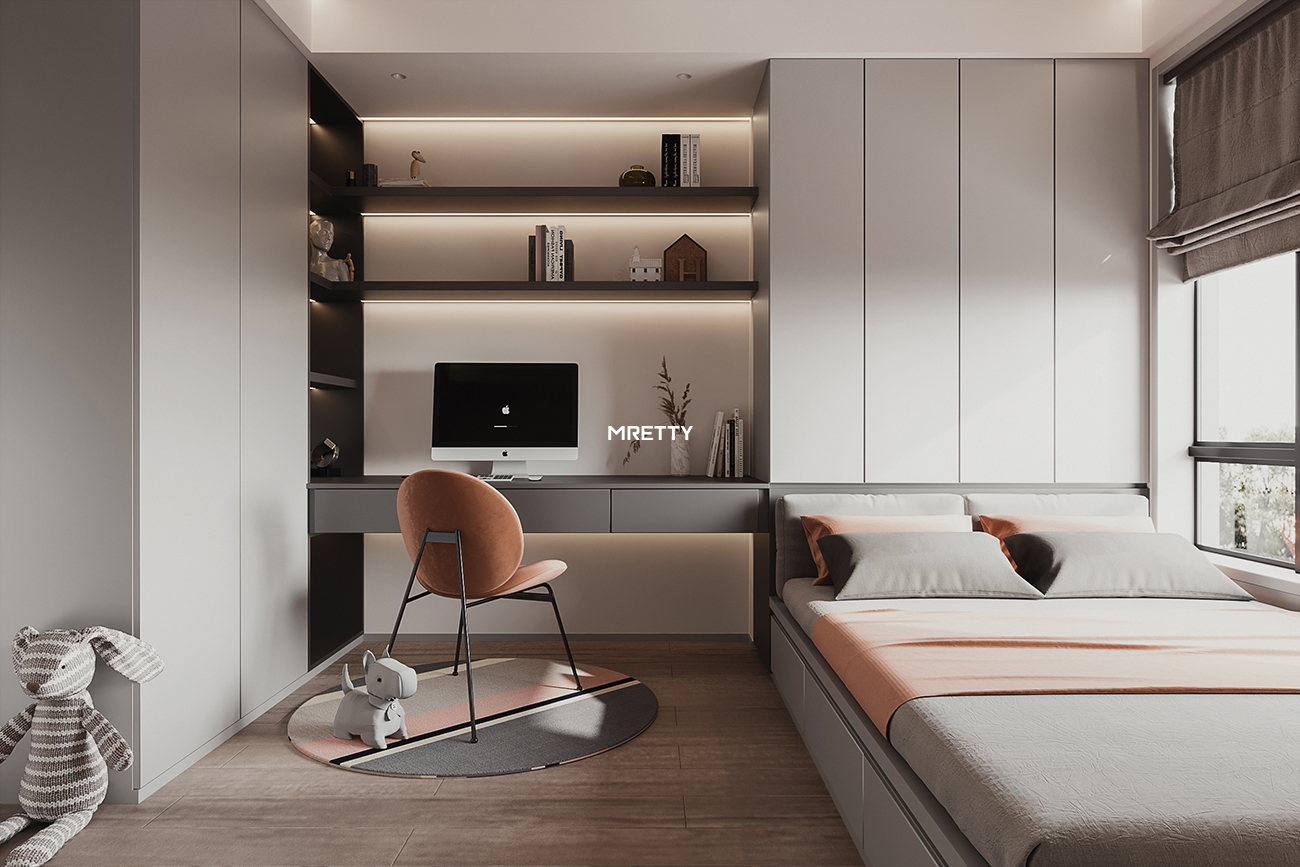
In the bedroom and living room, the focus shifts to aesthetics and health. We prioritize low-toxicity finishes that preserve the natural feel of the wood. Natural oils or water-based stains are excellent choices here, enhancing the warmth of the room without releasing harmful fumes. For our "Living Library Series," we often employ a satin varnish that reduces glare and protects books from acidic off-gassing.
Floors and Paneling: Structural Elements
Floors bear the weight of our daily lives. They require finishes with high abrasion resistance, such as aluminum oxide-fortified polyurethane. For wall paneling, which sees less physical wear but is a visual focal point, lighter oils or waxes can be used to maintain a soft, organic texture that absorbs sound and light beautifully.
Expert Tips for Choosing Wood Preservation
Selecting the right preservation method for your custom furniture can be daunting. Here are some expert tips to guide your decision:
- Consider the Usage: Is the surface going to be touched often? Will it hold hot cups or cold glasses? High-use surfaces need hard-wearing film finishes; decorative surfaces can afford softer, penetrating finishes.
- Think About Maintenance: Are you willing to re-oil a table once a year, or do you prefer a "set it and forget it" solution? Natural finishes require more maintenance but are easier to repair spot-by-spot. Synthetic finishes last longer but are harder to patch if scratched.
- Prioritize Health: Especially for households with children or pets, opt for finishes labeled "food-safe" once cured, or those with low or zero VOCs. MRETTY is committed to your well-being, strictly adhering to safety standards that minimize chemical exposure in your home.
- Respect the Climate: In humid environments like Singapore, dimensional stability is key. Ensure the preservation technique accounts for moisture movement to prevent doors from sticking or panels from warping.
Sustainable Wood Preservation Practices
In the age of eco-conscious living, the environmental impact of wood preservation is a critical conversation. Traditional chemical treatments, such as CCA (Chromated Copper Arsenate), have largely been phased out in residential use due to toxicity. The modern focus is on sustainability.
MRETTY champions the use of eco-friendly preservatives. We utilize water-borne systems that significantly reduce solvent emissions. Furthermore, by choosing preservation techniques that extend the life of the wood, we reduce the need for replacement, thereby conserving forest resources. We also prioritize modified woods that achieve durability through heat and non-toxic chemistry rather than heavy metals. This commitment ensures that your luxury home is not achieved at the expense of the planet.
The MRETTY Promise: Excellence in Woodcraft
At MRETTY, we view wood preservation not as an afterthought, but as a fundamental stage of our design process. We understand that our clients seek more than just furniture; they seek a legacy. Our approach combines state-of-the-art technology with the soulful touch of artisanal craftsmanship.
We rigorously test our finishes to ensure they meet the highest standards of durability and safety. Whether it is a bespoke walk-in wardrobe designed to protect your couture collection or a robust kitchen system built for a master chef, we select the precise preservation technique that aligns with the function and the aesthetic of the piece. Our goal is to provide you with a living environment that is as healthy as it is beautiful, ensuring that the natural elegance of wood remains a constant source of joy in your home.
Our commitment to quality is reinforced by our dedication to responsible sourcing. We are proud to use materials certified by the Forest Stewardship Council (FSC), guaranteeing that your beautiful home contributes to the preservation of the world's forests.
Discover MRETTY's Curated Collections
Explore how our preservation expertise brings these collections to life:
- The Heritage Dining Collection: Featuring tables treated with natural, food-safe oils that develop a rich patina over time.
- The Aqua-Guard Bathroom Vanity: Utilizing acetylated wood technology for superior water resistance in humid zones.
- The Eco-Luxe Bedroom Suite: Finished with zero-VOC plant-based waxes for a pure, toxin-free sleep environment.
Frequently Asked Questions (FAQ) about Wood Preservation
Q: Is it safe to use chemically treated wood in my home?
A: Not all treated wood is the same. For interior furniture, MRETTY exclusively uses non-toxic, safe finishes that meet strict international safety standards. We avoid heavy industrial preservatives, focusing instead on advanced lacquers and natural oils that are safe for families and pets.
Q: How often do I need to maintain my MRETTY custom cabinets?
A: This depends on the finish chosen. Our high-performance kitchen cabinets are designed to be low-maintenance, requiring only simple cleaning with a damp cloth. For pieces finished with natural oils, we may recommend a simple re-application every 12-18 months to keep the wood nourished, a service we can advise you on.
Q: Can you match the finish of new cabinetry to my existing antique furniture?
A: Absolutely. Our customization capabilities include expert color matching and finish replication. We can analyze the tone and sheen of your existing pieces and create a preservation recipe that allows the new joinery to blend seamlessly with your cherished heirlooms.
"I was worried about wood maintenance in Singapore's humidity, but MRETTY's team explained their thermal treatment process so clearly. Three years later, my custom study desk still looks flawless and hasn't warped a millimeter." - Mr. Tan, Serangoon Gardens
Conclusion
Ultimately, the choice of preservation technique dictates the longevity and beauty of your interior. By partnering with MRETTY, you are choosing a brand that respects the material as much as it respects your lifestyle. We ensure that every fiber of wood is treated with the care it deserves, locking in luxury for a lifetime.
Ready to invest in timeless elegance that lasts?
About the Author
Pan Junqi
A celebrated Senior Designer at MRETTY, Pan Junqi is known for his philosophy of "Organic Modernism." His recent work on the "Emerald Hill Conservation Project" received the Golden A' Design Award for Interior Space, praised specifically for its innovative use of sustainable wood preservation techniques in a heritage setting.
MRETTY: Premium Bespoke Kitchen & Cabinet Systems Provider in Singapore.
