
 Singapore
 China
China
True elegance is sensed before it is seen. It is the breath of fresh air that welcomes you into a room, the subtle assurance of purity that underpins every exquisite detail of your home.
In the realm of high-end living, visual beauty—the sweep of a bespoke kitchen island, the grain of a custom wood wall panel—must be matched by an invisible architecture of safety and health. For the discerning homeowner in Singapore, creating a sanctuary goes beyond aesthetics; it requires a deep understanding of the environment we inhabit.
Among the invisible challenges to this purity is formaldehyde, a volatile organic compound often lurking in standard building materials. Understanding formaldehyde degradation methods is not merely a technical exercise; it is a commitment to the wellbeing of your family and the longevity of your pristine interior.
At MRETTY, we believe that the line is always simple, but the structure is always unexpected. We craft not just cabinets, but ecosystems of luxury. This comprehensive guide explores the sophisticated science behind degrading this compound, ensuring that your walk-in wardrobe, study, and culinary spaces remain sanctuaries of health. We invite you to explore the chemistry of purity, ensuring your home remains a breath of fresh air.
Understanding Formaldehyde: The Invisible Challenge in Bespoke Interiors
To master the art of living, one must master the elements. Formaldehyde is a colorless gas with a pungent odor, historically used in the adhesives that bind composite woods.
In a humid climate like Singapore, managing indoor air quality is paramount. While MRETTY prioritizes prevention through the use of ENF-grade (emission-free) materials, understanding how to degrade residual environmental formaldehyde adds a layer of reassurance to your renovation journey.
The degradation of formaldehyde involves breaking down its chemical structure into harmless substances, typically carbon dioxide and water. This transformation is the gold standard of environmental safety. Unlike simple containment, degradation eliminates the threat, ensuring that the air circulating around your bespoke shoe cabinet or within your study bookshelves is as refined as the design itself.
Physical Formaldehyde Degradation Methods
Physical degradation methods are often the most accessible, relying on the natural laws of physics to capture and remove impurities. These methods harmonize effortlessly with thoughtful interior design.
Adsorption: The Silent Gatherer
Adsorption is the process where molecules adhere to a surface. In the context of a luxurious home, activated carbon is the premier agent of this method.
The Mechanism: Activated carbon possesses a vast network of microscopic pores. These pores act as a trap, capturing formaldehyde molecules from the air as they drift past.
Application in Design: Consider the integration of discreet carbon filters within the internal structure of a shoe cabinet or the hidden recesses of a vanity unit. This passive purification works silently, maintaining the freshness of enclosed spaces.
Advantages: It is non-invasive, cost-effective, and safe.
Limitations: Once the pores are full (saturated), the material must be replaced or regenerated, otherwise, it may release the trapped gas back into the air.
Ventilation: The Flow of Life
While technically a removal rather than a degradation method, ventilation facilitates the dilution required for natural degradation processes to occur.
Strategic Airflow: In designing a MRETTY bespoke kitchen or a complex walk-in closet system, we consider the flow of air. Proper spacing in shelving and the strategic placement of cabinetry allow for cross-ventilation, preventing pockets of stagnant air where compounds can accumulate.
The Benefit: It utilizes the natural breeze, a resource of infinite supply, to cleanse the home continuously.
Chemical Formaldehyde Degradation Techniques
For those seeking a more proactive approach, chemical degradation represents the alchemy of modern science—transmuting the harmful into the harmless.
Photocatalytic Oxidation (PCO)
This is the pinnacle of technological elegance. It uses light to trigger a purification process.
The Science: Titanium dioxide (TiO2) is commonly used as a catalyst. When exposed to UV light (or even standard visible light in advanced formulations), it creates hydroxyl radicals. These radicals attack formaldehyde molecules, breaking their carbon-hydrogen bonds and converting them into water vapor and carbon dioxide.
Interior Integration: Advanced wall paneling and cabinet finishes can be treated with photocatalytic coatings. Imagine a study room where the very walls work to purify the air whenever the sunlight touches them.
Advantages: It provides a continuous, long-lasting solution that requires no maintenance other than light exposure.
Chemical Scavengers
Scavengers are compounds designed to "hunt" formaldehyde.
The Reaction: These substances react directly with formaldehyde to form stable, non-toxic solid polymers. They are often infused into the raw materials of cabinetry or applied as a finishing spray.
Application: High-quality customized furniture often utilizes scavengers within the substrate of the wood panels to neutralize emissions at the source.
Advantages: Highly effective for targeted treatment of specific surfaces.
Ozone Oxidation
Ozone is a powerful oxidizing agent.
The Process: Ozone generators release ozone gas, which reacts rapidly with formaldehyde.
Caution: While effective, ozone itself is a lung irritant. This method is best reserved for initial "shock treatments" of a new property before the residents move in, ensuring the canvas is clean before life begins.
Biological Formaldehyde Remediation
There is a poetic beauty in using life to sustain life. Biological methods harness the metabolic power of nature.
Phytoremediation (Plant-Based Degradation)
Certain botanicals are naturally gifted at metabolizing toxins.
The Green Guardians: Plants such as the Spider Plant, Boston Fern, and Peace Lily absorb formaldehyde through their stomata. Inside the plant, enzymes convert the toxin into amino acids and sugars, effectively feeding the plant.
Aesthetic Synergy: Integrating these living elements into the design of a MRETTY balcony niche or a kitchen island planter adds a layer of vibrancy while actively scrubbing the air.
Enzymatic Bio-filters
This emerging technology uses isolated enzymes to break down pollutants.
The Innovation: Unlike living plants, which require light and water, bio-filters use the extracted active enzymes in a filter medium. This allows for degradation to occur in dark spaces, such as inside a wardrobe or a pantry cupboard.
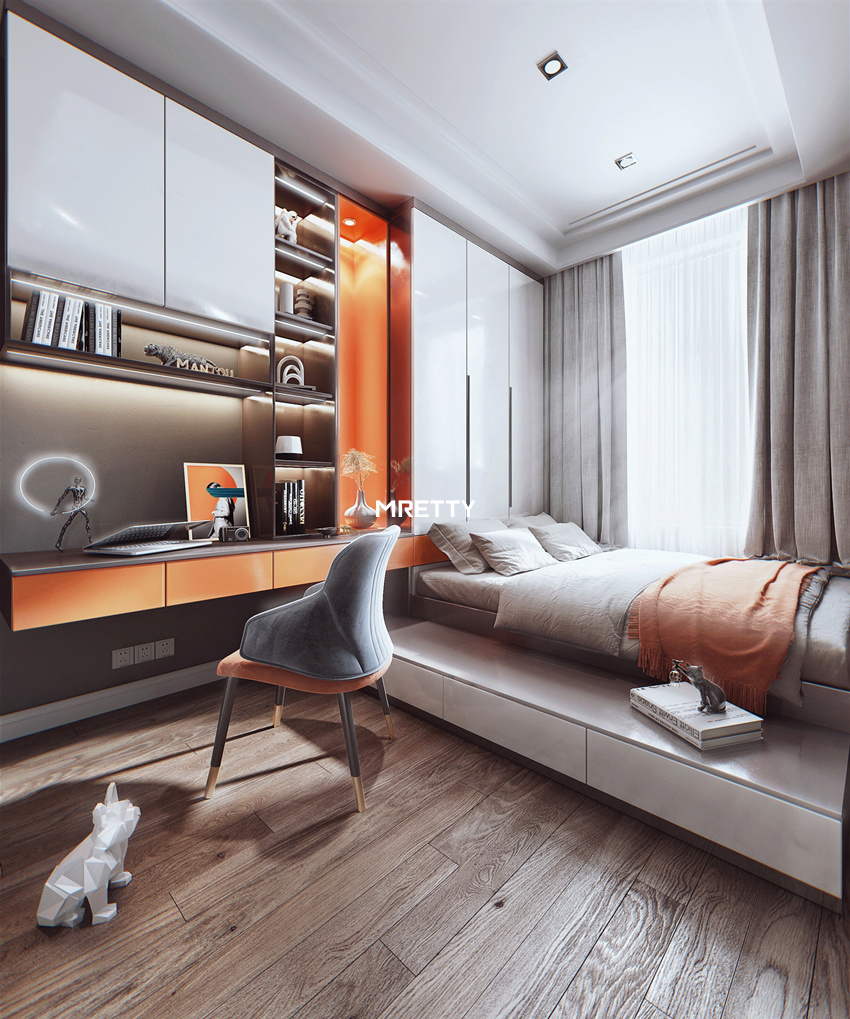
MRETTY's Philosophy: Prevention Through Superior Design
While knowing formaldehyde degradation methods is essential, the ultimate luxury is peace of mind—the knowledge that the problem was never invited in the first place.
At MRETTY, we champion the concept of "Source Control." Our commitment to your health begins long before the installation.
ENF-Grade Standards
We rigorously select materials that meet the ENF (Emission Non-Formaldehyde) standard, the highest environmental rating for wood-based panels. Whether it is the carcass of your kitchen cabinets or the expansive surface of your decorative wall panels, we ensure the substrate is pure.
Eco-Friendly Adhesives
We utilize MDI glues and advanced edge-banding technologies that seal the board completely, preventing any potential leakage and ensuring durability.
Bespoke Precision
Our custom manufacturing process reduces waste and ensures that every joint and seal is perfect, leaving no room for compromise. We do not just build furniture; we curate environments.
From the sleek lines of a minimalist TV console to the complex storage systems of a master walk-in robe, our focus is on delivering a home that breathes as freely as you do.
MRETTY's Pure Home Collections
Elevate your living experience with our curated selections, designed for both beauty and wellbeing.
The Culinary Sanctuary (Bespoke Kitchens)
Description: A kitchen is the heart of the home. Our kitchen systems feature moisture-resistant, ENF-grade cabinetry with hermetically sealed edges.
Feature: Integrated ventilation designs in under-sink cabinets to prevent moisture and odor accumulation.
The Serene Retreat (Master Wardrobes & Walk-in Closets)
Description: Your clothing deserves a home as clean as your skin. Our wardrobes utilize eco-friendly substrates and odorless lacquers.
Feature: Customizable internal layouts that maximize air circulation, keeping fabrics fresh.
The Intellectual Niche (Study & Bookcases)
Description: Clarity of mind requires clarity of air. Our study units are crafted from low-emission materials to ensure focus and health during long work hours.
Feature: Smart shelving that balances storage density with spatial openness.
Frequently Asked Questions About Formaldehyde and MRETTY
Q: How long does it typically take for formaldehyde to degrade naturally? A: Without intervention, formaldehyde off-gassing can persist for 3 to 15 years. This is why MRETTY prioritizes low-emission materials and active degradation strategies to ensure your home is safe immediately upon completion.
Q: Can MRETTY cabinets be installed in homes with children or elderly residents?
A: Absolutely. Our adherence to ENF standards makes our cabinetry ideal for vulnerable groups. We prioritize safety and non-toxicity in every customized entryway shoe cabinet, bedroom wardrobe, and dining sideboard we create.
Q: Does MRETTY offer formaldehyde removal services?
A: Our primary focus is preventing formaldehyde through superior manufacturing. However, during our design consultation, we can advise on layout and ventilation strategies that naturally enhance air quality.
Client Review:
"The air in my new apartment felt completely different after MRETTY finished the installation. No harsh chemical smells, just the scent of a new beginning. Their attention to material safety is why I trusted them with my nursery." — Sarah L., Tanjong Pagar
Conclusion: MRETTY's Commitment to Quality and Purity
Your home is an extension of your identity—refined, distinct, and enduring. In the pursuit of such perfection, compromise is not an option.
By understanding the science of formaldehyde degradation methods and partnering with a brand that values your health as much as your aesthetic, you are investing in a future of unblemished quality. We invite you to experience the difference of a home designed with conscience.
Let us transform your vision into a reality that is as safe as it is stunning. Our commitment is backed by rigorous adherence to international standards, including FSC-certified sourcing practices, ensuring that your luxury is responsible and sustainable.
Book a Free Consultation Now. Let us craft a bespoke environment where elegance breathes.
Author: Pan Junqi
Senior Spatial Designer | Winner of the 2024 Golden A' Design Award for Interior Space and Exhibition Design
MRETTY: Premium Bespoke Kitchen & Cabinet Systems Provider in Singapore.
