
 Singapore
 China
China
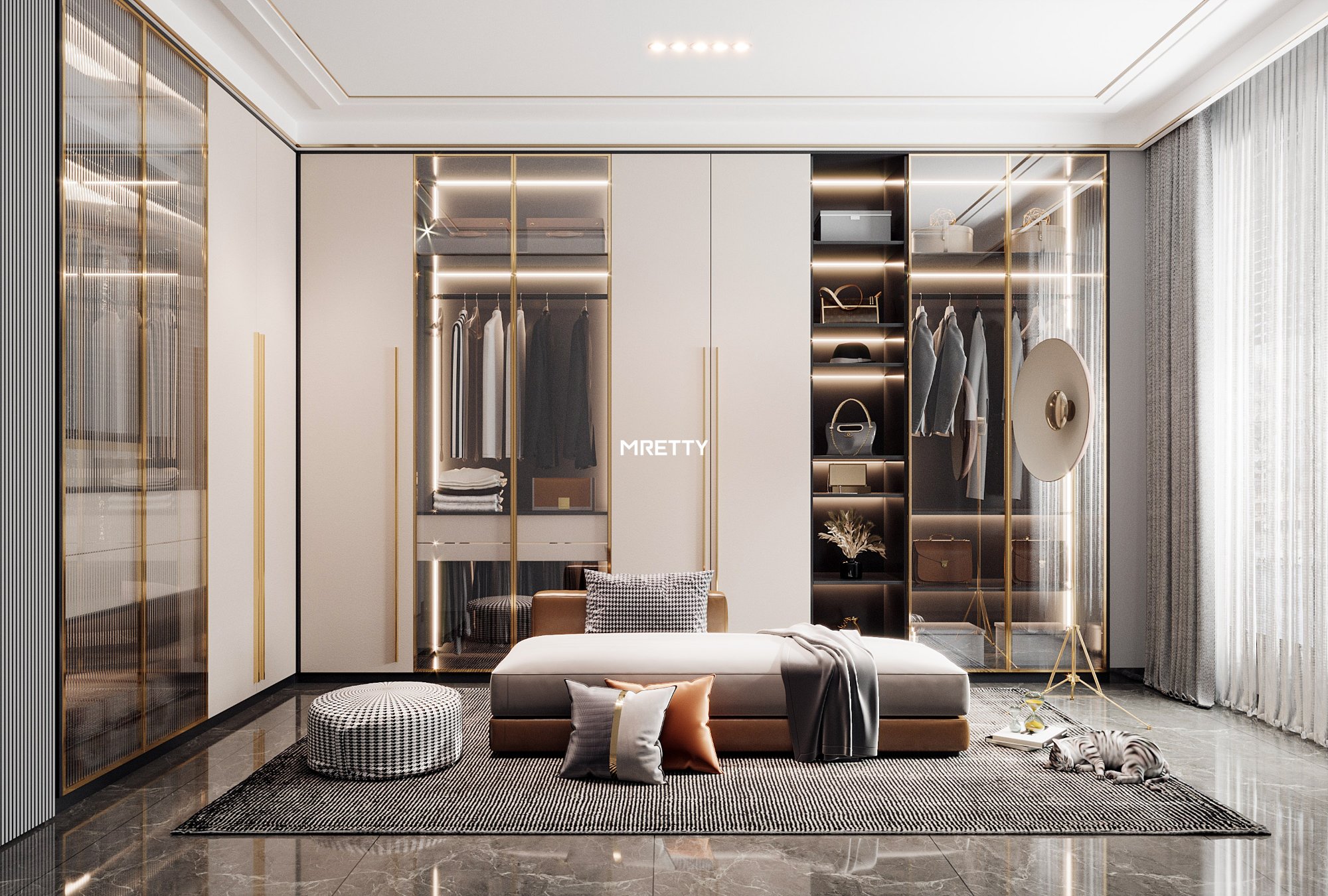
A walk-in closet is more than just a storage space—it’s a curated sanctuary that reflects your personal style and enhances daily routines. However, without strategic storage optimization, even the most spacious closets can become cluttered and inefficient. At MRETTY, we specialize in designing bespoke walk-in closet systems that blend aesthetics with functionality. In this comprehensive guide, we’ll explore actionable strategies to optimize your walk-in closet, from vertical space utilization to smart zoning solutions. Whether you’re a minimalist or a maximalist, these insights will help you create a clutter-free, visually appealing environment tailored to your lifestyle.
Assess Your Walk-In Closet Space & Needs
Before diving into organization, conduct a thorough assessment of your walk-in closet’s dimensions and storage requirements. Measure the height, width, and depth of the space, noting any alcoves, awkward corners, or structural limitations.
Key considerations include:
- Ceiling Height: Utilize floor-to-ceiling storage for seasonal items or rarely used accessories.
- Traffic Flow: Ensure 2–3 feet of walking space between zones for seamless movement.
- Lighting: Install LED strip lights under shelves or motion-sensor fixtures to eliminate shadows and enhance visibility.
MRETTY Advantage: Our team uses 3D modeling to visualize your ideal layout, ensuring every inch of your closet is utilized effectively.
Maximize Vertical Storage in Your Walk-In Closet
Vertical storage is the cornerstone of walk-in closet optimization. By extending storage solutions from floor to ceiling, you can dramatically increase capacity without expanding the footprint.
Key Vertical Storage Techniques
- Double Hanging Rods: Install adjustable rods at varying heights to accommodate both long garments (e.g., dresses) and shorter items (e.g., shirts). This doubles hanging space while maintaining accessibility.
- High Shelves: Reserve the top third of the closet for seasonal items, luggage, or bulk storage. Use labeled bins or baskets for quick retrieval.
- Pull-Out Trays: Integrate pull-out shelves in deep areas to store folded sweaters, scarves, or accessories without digging through clutter.
Case Study: A client in Singapore repurposed a 6’x8’ walk-in closet by adding a 72” high-shelving unit. The top shelves stored off-season coats, while mid-level drawers held accessories, freeing up floor space for a custom shoe rack.
Implement Smart Zoning Systems for Closet Organization
Organizing by category and frequency of use simplifies daily routines. Divide your closet into zones based on item types and usage patterns:
Effective Closet Zoning Strategies
- Primary Hanging Zone: Reserve eye-level rods for daily wear (e.g., blazers, dresses). Use slim, non-slip hangers to save space and maintain uniformity.
- Accessory Zones: Install pegboards, wall-mounted hooks, or drawer dividers for jewelry, belts, and scarves.
- Shoe Storage: Opt for angled shelves or clear cubbies to display shoes while protecting them from dust.
MRETTY Solution: Our modular drawer systems include customizable dividers for socks, underwear, and small accessories, ensuring every item has a designated home.
Leverage Technology & Smart Features in Your Walk-In Closet
Modern walk-in closets thrive on smart technology. Integrate these innovations to elevate functionality:
Must-Have Smart Closet Technology
- Automated Lighting: Motion-activated LEDs or app-controlled chandeliers adjust brightness based on usage.
- Inventory Apps: Sync with RFID tags to track items and receive alerts for restocking.
- Valet Rods: Temporary hanging rods for overnight outfit prep, reducing morning chaos.
Example: A tech-forward client in Dubai installed a voice-activated mirror with built-in climate control. The mirror syncs with their wardrobe app to suggest outfits based on weather forecasts.
Maintain & Adapt Your Organized Walk-In Closet
A well-optimized closet requires regular upkeep. Adopt these habits to sustain clutter-free organization:
- Seasonal Rotations: Store off-season items in vacuum-sealed bags on high shelves.
- 5-Minute Daily Reset: Return items to their designated zones after use.
- Annual Declutter: Assess items annually and donate unused pieces.
MRETTY Maintenance Plans: We offer annual closet audits to adjust layouts as your wardrobe evolves, ensuring long-term efficiency.
Conclusion
Optimizing a walk-in closet is a blend of art and science. By strategically utilizing vertical space, implementing zoning systems, and integrating smart technology, you can transform your closet into a haven of efficiency and style. At MRETTY, we’re committed to delivering bespoke solutions that align with your unique needs.
Book a Free Consultation with MRETTY’s Expert Designers Today!
About the Author: Pan Junqi
Pan Junqi is a renowned interior designer and lead consultant at MRETTY, specializing in bespoke walk-in closet systems. His award-winning project, the "Zen Closet" in Marina Bay Sands, Singapore, combines minimalist aesthetics with cutting-edge storage solutions. Pan Junqi’s philosophy revolves around creating spaces that enhance daily life through thoughtful design.
MRETTY: Premium Bespoke Walk-In Closet Solutions
Elevate your storage game with MRETTY—where functionality meets sophistication.
