
 Singapore
 China
China
Your Questions, Answered Fast
What are the best sustainable materials?
FSC-certified woods, reclaimed timber, bamboo, and recycled metals or stone.
Why does it matter for Singapore homes?
It delivers better indoor air quality and superior durability in humid weather. This translates to higher long-term property value.
Is it more expensive?
The initial cost can be higher. However, it provides a lower lifetime cost through exceptional durability and health benefits.
What if your beautiful custom furniture was silently harming your family and the planet?
I’ve been a senior designer at MRETTY for 14 years. In that time, I've seen a huge shift. Clients no longer just want luxury. They demand conscious luxury. They ask pointed questions: Where do the materials come from? What are they treated with? How will they stand up to Singapore's climate?
This guide comes from my hands-on experience. We'll explore the best sustainable luxury furniture materials for your home. We will cut through marketing hype to give you a clear framework for your custom carpentry projects.
Sustainable Luxury Wood for Furniture: Beyond the Label
When clients ask for sustainable wood, they usually mean solid wood. But the reality is more complex. The most critical factor isn't the wood type. It's the source and certification.
Here’s the counter-intuitive truth. A certified engineered wood is often a better choice than a solid wood from an unknown, unmanaged forest. Many people assume "solid wood" is the gold standard for eco-friendly furniture. But actually, the certification matters more than the format. An FSC-certified plywood panel from a managed source is far more sustainable than a solid plank harvested illegally. The label tells the real story.
What Does FSC Certified Wood Mean for My Furniture?
The Forest Stewardship Council (FSC) is the global benchmark for responsible forest management. FSC certification guarantees the wood in your furniture comes from a forest that preserves biodiversity. It also ensures the well-being of local people and workers.
This isn't just a sticker. The FSC system uses a "chain of custody" certification, tracking the wood from the forest to the final product. Every company in the supply chain, including MRETTY, must hold FSC certification to pass on the claim. This process stops illegal or uncertified wood from entering the supply. As of early 2026, over 220 million hectares of forest are FSC certified globally, a clear sign of the standard's importance.
By choosing FSC-certified products, you directly support responsible forestry.
❌ Common Mistake: Assuming any product labeled "solid wood" is automatically sustainable.
✅ Better Approach: Always ask for the supplier's FSC chain-of-custody code. A reputable company like MRETTY will readily provide this documentation.
Reclaimed Wood vs. Solid Teak Furniture Comparison
Reclaimed timber is another superb sustainable option. This is wood salvaged from old buildings, bridges, and other structures. It has a character and history that new wood can't match. Its main benefit is environmental. It gives old wood a new life, keeps it out of landfills, and reduces the need to fell new trees.
However, many believe reclaimed wood is a budget-friendly choice. This is a myth. Sourcing, de-nailing, and processing this timber requires significant labor. That often makes it more expensive than new wood. Let's compare it to new, sustainably sourced teak.
| Feature | Reclaimed Timber (e.g., Old Pine, Oak) | New FSC-Certified Teak |
| :--- | :--- | :--- |
| Sustainability | Highest (Reduces waste, no new trees felled) | High (Responsibly managed source) |
| Aesthetics | Unique, rustic, visible history (nail holes, patina) | Consistent grain, uniform color |
| Durability | Very high (Often from old-growth, dense wood) | Very high (Naturally resistant to moisture & pests) |
| Cost | High to Very High (Labor-intensive sourcing) | High (Premium material) |
| Lead Time | Longer (Sourcing specific types can be slow) | Shorter (More predictable supply chain) |
The choice is personal. Reclaimed wood tells a story. It's perfect for a statement dining table or a feature wall. New FSC-certified teak offers a clean, modern look with guaranteed performance, especially in our humid climate.
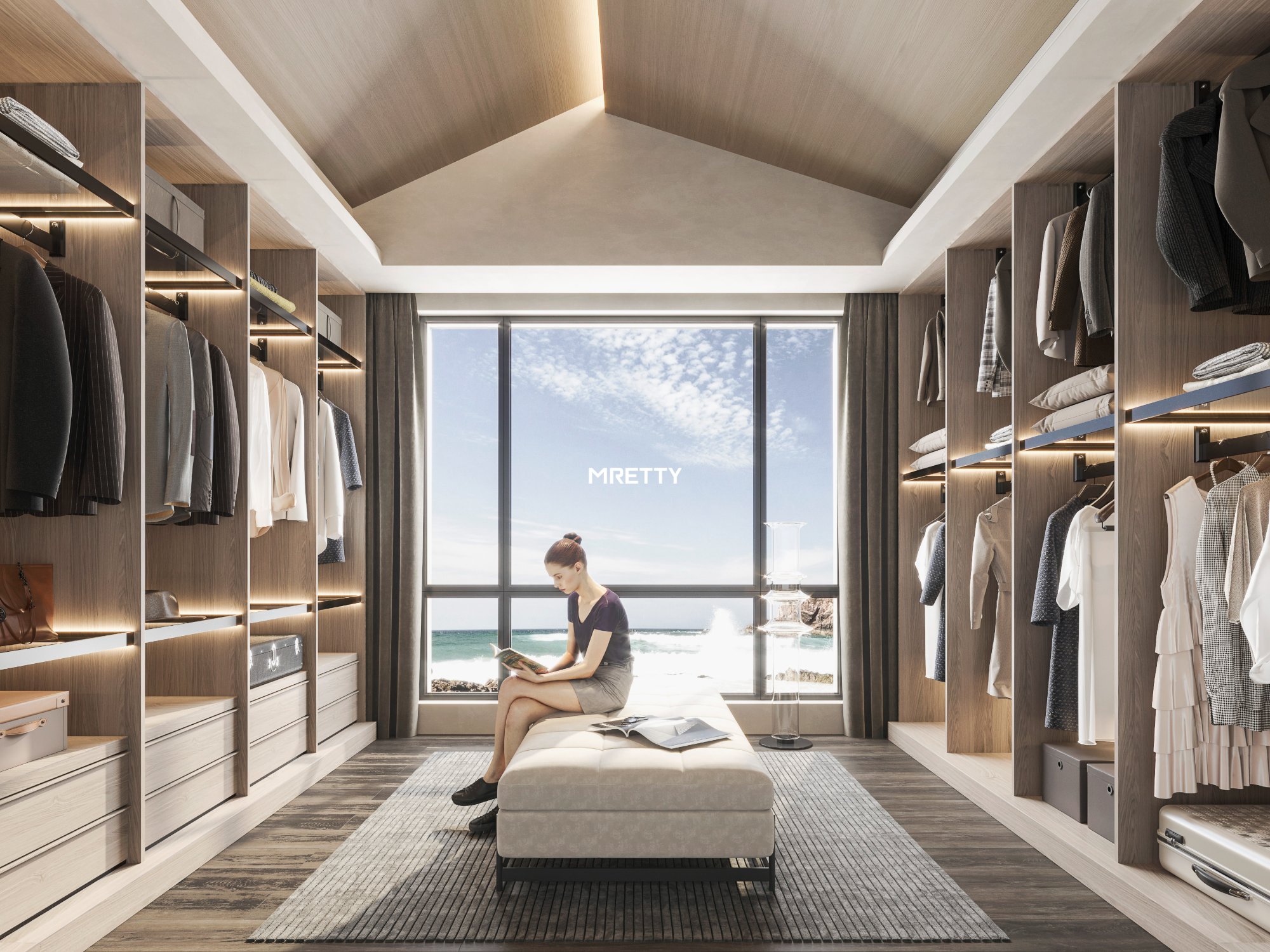
Green Luxury Materials for Custom Carpentry SG: A Practical Application Guide
Theory is one thing. Practice is another. After designing hundreds of homes in Singapore, I know the best green luxury materials for custom carpentry SG are those that solve local problems. Our biggest challenge is the humidity.
The Designer's Choice for Sustainable Furniture Materials for Humid Climates like Singapore
High humidity destroys poorly chosen furniture. It leads to warping, swelling, and mould. Just last quarter, a client showed me a wardrobe from another maker. It had warped in under two years. The issue wasn't the wood, but the lack of proper construction for our climate.
Here’s my proven approach for durability:
For Large Surfaces (Wardrobes, TV Consoles): I often recommend high-quality, FSC-certified engineered wood. A premium plywood with a low-VOC binder is more dimensionally stable than large solid wood panels. This stability prevents doors and drawers from jamming. Our 15,000㎡ smart factory gives us precise control over this process.
For Structural Elements & Doors: Properly kiln-dried solid woods like oak or teak are excellent for frames and doors. The key is "kiln-dried." This process lowers the wood's moisture content to an optimal 6-8%, minimizing movement in a humid environment.
Best Practice for Maintenance: Ensure good air circulation. Never place furniture directly against damp walls. Use coasters and clean spills immediately.
Material Guide for Different Singapore Home Types
The right material also depends on your home.
Eco-Friendly Materials for Small HDB Flats: For an HDB, the goal is space and light. I suggest light-colored FSC-certified oak or maple. Bamboo is another fantastic, modern option. For cabinetry, a quality engineered wood with a sleek, low-VOC laminate provides a durable and expansive look.
Luxury Materials for Condos & Landed Properties: With more space, we can make bold statements. I recently used large-format reclaimed teak for a feature wall in a Bukit Timah home. For a large kitchen island, a recycled quartz composite countertop offers incredible durability. We complement these with components like recycled steel hardware.
What are the best sustainable materials for wardrobes and kitchens?
Wardrobes: The best materials combine stability and beauty. I recommend an FSC-certified plywood carcass with solid wood or bamboo doors. This hybrid approach is the most effective I've found.
- Kitchen Cabinets: This is the most demanding space. You need moisture, heat, and wear resistance. My top choice is marine-grade FSC-certified plywood with a waterproof, low-VOC finish. For countertops, recycled composites like quartz or glass offer a non-porous, sustainable surface.
❌ Common Mistake: Using one material choice for the entire home.
✅ Better Approach: Tailoring the material to the room. Use moisture-resistant materials in the kitchen and stable materials for large wardrobes.
The Hidden Factors: Finishes, Adhesives, and Hardware
A furniture piece's sustainability doesn't stop with the wood. The glues, finishes, and hardware are just as important. An FSC-certified oak table with a high-VOC lacquer is not truly healthy furniture.
Why Are Low-VOC Finishes Important for Indoor Air Quality?
VOCs (Volatile Organic Compounds) are chemicals in many paints and lacquers that evaporate into the air. They can cause health issues, from headaches to respiratory problems, and directly impact your home's indoor air quality.
Low-VOC finishes minimize these emissions. Standards like GREENGUARD Certification test for over 10,000 chemicals to ensure products are safe indoors. According to Singapore's Building and Construction Authority (BCA) guidelines, indoor TVOC levels should stay below 3000 µg/m³. The premium low-VOC finishes used by MRETTY can result in levels below 50 µg/m³—a huge improvement for your family's health.
True luxury means creating a home that is safe. That starts with the air you breathe.
The Role of Sustainable Hardware
Finally, consider the metal parts. Hinges, runners, and handles are essential. Leading manufacturers like Blum and Häfele now prioritize sustainability. They use high levels of recycled steel hardware and design products for extreme longevity. A hinge rated for 200,000 cycles means the cabinet will last for decades, reducing waste. At MRETTY, we partner with suppliers who share our commitment to a circular economy.
❌ Common Mistake: Focusing only on the wood and ignoring the impact of finishes, glues, and hardware.
✅ Better Approach: Insist on documented low-VOC finishes (like GREENGUARD certified ones) and ask about the hardware suppliers' sustainability practices.
Frequently Asked Questions
What is the most sustainable material for custom furniture?
There is no single "most" sustainable material. It depends on the application. Reclaimed wood has the lowest impact, as it diverts waste. For new materials, FSC-certified bamboo is a strong contender due to its rapid growth. The best choice is always a durable material with a certified, transparent supply chain.
How to choose eco-friendly materials for kitchen cabinets in Singapore?
For Singapore's humid climate, prioritize moisture resistance and low emissions. The best combination is an FSC-certified, marine-grade plywood for cabinet boxes paired with a low-VOC or zero-VOC finish. For doors, solid wood, bamboo, or a high-quality laminate on a stable core all work well. Always verify certifications.
Is bamboo a luxury material for furniture?
Yes, high-quality bamboo is a luxury material. While some associate it with cheap goods, premium Moso bamboo that is properly processed is extremely hard and stable. When used in high-end bamboo joinery, it creates a clean, modern aesthetic. Luxury comes from the material quality and craftsmanship.
What are Singapore Green Label certified furniture materials?
The Singapore Green Label is a certification administered by the Singapore Environment Council (SEC). For furniture, it signifies that a product has met stringent environmental standards. This includes criteria like being made from sustainable sources (e.g., certified wood), containing recycled content, and having low emissions of harmful chemicals like VOCs and formaldehyde. It provides a trusted local benchmark for environmentally preferable products.
MRETTY: Premium Bespoke Kitchen & Cabinet Systems Provider in Singapore.
