
 Singapore
 China
China
In a world awakening to the rhythms of nature, our homes are becoming sanctuaries of conscious living. The choices we make, from the food we eat to the furniture we select, reflect a deeper desire for harmony with our environment. The journey towards a truly elegant home begins with sustainable furniture design principles, a philosophy that marries timeless beauty with environmental responsibility. It's about crafting spaces that not only look exquisite but also feel right, echoing a commitment to a healthier planet. At MRETTY, we believe that true luxury is sustainable; it's found in the thoughtful selection of materials, the ingenuity of design, and the promise of longevity. This is more than a trend; it's a movement towards creating legacies of style and substance for generations to come.
What is Sustainable Furniture Design?
Sustainable furniture design is an approach that considers the full lifecycle of a piece, from the sourcing of raw materials to its end-of-life potential. It’s a holistic vision that aims to minimize negative environmental, social, and economic impacts while maximizing value. This means choosing renewable resources, reducing waste through intelligent manufacturing, and creating durable pieces that transcend fleeting trends.
The importance of this practice cannot be overstated. The furniture industry has historically been a significant contributor to deforestation, carbon emissions, and landfill waste. By embracing sustainable principles, we can collectively steer the industry toward a more restorative path. It’s about creating a circular system where beauty and responsibility coexist, where every table, chair, and cabinet contributes to a healthier global ecosystem. For MRETTY, this is not just a principle but our core mission—to deliver bespoke elegance that honors both your home and our shared world.
The Pillars of Sustainable Furniture Design
Creating furniture that is both beautiful and responsible rests on several key principles. These pillars guide designers and manufacturers in making choices that benefit the user and the planet.
Conscious Material Selection
The soul of any piece of furniture is the material from which it is crafted. Sustainable design prioritizes materials that are renewable, recycled, or reclaimed. The goal is to minimize the extraction of virgin resources and the environmental footprint associated with it.
Renewable Resources: These are materials that can be replenished naturally over a short period. Bamboo, for example, is a fast-growing grass that matures in just a few years, making it an excellent alternative to slow-growing hardwoods. Cork, harvested from the bark of cork oak trees without harming the tree itself, is another superb renewable option known for its durability and unique texture.
Reclaimed and Recycled Content: Giving old materials new life is a cornerstone of sustainability. Reclaimed wood, salvaged from old buildings or structures, carries a rich history and a character that cannot be replicated. Recycled metals, like aluminum and steel, and plastics diverted from landfills can be transformed into sleek, modern components. Using these materials dramatically reduces waste and the energy required for new material production. At MRETTY, we explore innovative ways to integrate these materials into our custom designs, adding a layer of story and soul to every piece.
Energy-Efficient Production
The way furniture is made is just as important as what it's made from. Sustainable manufacturing focuses on minimizing energy consumption and reducing carbon emissions throughout the production process. This can involve using energy-efficient machinery, optimizing workflows to reduce waste, and powering facilities with renewable energy sources like solar or wind. MRETTY is committed to refining our processes, ensuring that the creation of your dream kitchen or cabinet system is as clean and efficient as the final design.
Design for Durability and Longevity
In a culture accustomed to disposability, sustainable design champions endurance. It's the art of creating "forever furniture"—pieces that are built to last, both in terms of physical structure and aesthetic appeal. This involves using high-quality materials, robust construction techniques, and timeless designs that won't fall out of fashion. A well-made piece of furniture can serve a family for generations, becoming a cherished heirloom rather than a temporary fixture destined for the landfill. This commitment to quality and longevity is a hallmark of the MRETTY promise.
End-of-Life and Recyclability
A truly sustainable product is designed with its entire lifecycle in mind, including what happens when it's no longer needed. This is where the concept of a circular economy comes into play. Design for disassembly allows a piece to be easily taken apart so its components can be repaired, reused, or recycled. Using non-toxic, biodegradable finishes and avoiding complex composite materials that are difficult to separate ensures that the materials can be safely returned to the earth or repurposed for a new beginning.
The Palette of Sustainability: Eco-Friendly Materials
The choice of material defines the character and ecological impact of a piece of furniture. Here are some of the most celebrated sustainable materials shaping modern design.
Bamboo
Technically a grass, bamboo is a champion of sustainability. It grows incredibly fast, requires no pesticides, and self-regenerates from its own roots. Its strength and flexibility make it suitable for everything from flooring and cabinetry to statement furniture pieces.
Reclaimed Wood
Every piece of reclaimed wood tells a story. Salvaged from old barns, factories, and warehouses, this timber offers unparalleled character with its aged patina, nail holes, and saw marks. Using reclaimed wood prevents deforestation and gives a piece of history a new home.
Recycled Metals
Aluminum and steel are infinitely recyclable without losing their quality. Using recycled metals saves an immense amount of energy—up to 95% for aluminum—compared to producing them from virgin ore. They offer a sleek, industrial-chic aesthetic perfect for modern interiors.
Cork
Harvested from the bark of the cork oak tree, cork is a wonderfully renewable material. The tree is left unharmed and can be harvested every nine years. Cork is lightweight, water-resistant, and has excellent acoustic and thermal properties, making it ideal for flooring, wall coverings, and furniture accents.
The Designer's Role in a Circular Future
Designers are the architects of the circular economy. Their vision and choices can radically reduce waste and promote a more regenerative system.
Sustainable design moves beyond the linear "take-make-dispose" model. Instead, it embraces circularity, where products are designed to be kept in use for as long as possible and then repurposed at the end of their service life. This involves:
Modular Design: Creating furniture in interchangeable modules allows for easy repair, replacement, or reconfiguration. A sofa can be updated with new fabric, or a shelving system can be expanded as a family grows. This adaptability extends the life of the product and reduces the need for new purchases.
Waste Reduction (Pre-Consumer): Intelligent design can minimize material waste during manufacturing. Techniques like nesting patterns to cut multiple components from a single sheet of material can significantly reduce offcuts.
Timeless Aesthetics: By focusing on clean lines, balanced proportions, and classic forms, designers can create pieces that remain relevant and loved for decades. This aesthetic longevity is a powerful antidote to the throwaway culture driven by fleeting trends.
MRETTY: Where Elegance Meets Responsibility
At MRETTY, sustainable furniture design principles are woven into the fabric of our brand. We believe that custom, high-end design should not come at the expense of the environment. Our approach combines sophisticated aesthetics with a deep commitment to eco-conscious practices.
We meticulously source our materials, prioritizing woods from certified forests and innovative eco-friendly surfaces. Our designs are crafted for permanence, blending timeless elegance with the functional demands of modern life. By offering whole-house customization, we create seamless, integrated solutions that are tailored to your exact needs, minimizing waste and maximizing utility. From a bespoke kitchen system that becomes the heart of your home to an intelligently designed wardrobe, every MRETTY creation is a testament to quality, longevity, and sustainable luxury.
Choosing Sustainable: A Consumer's Guide
As a consumer, your choices have the power to shape the market. Here are some tips for identifying and selecting sustainable furniture for your home:
Look for Certifications: Seek out labels like the Forest Stewardship Council (FSC), which guarantees that wood products come from responsibly managed forests.
Ask About Materials: Don't hesitate to ask retailers about the origin of their materials. Are they renewable, recycled, or locally sourced?
Prioritize Quality: Invest in well-made pieces from reputable brands. While the initial cost may be higher, durable furniture saves money and resources in the long run.
Embrace Timeless Design: Choose pieces that you will love for years to come, rather than items that cater to a momentary trend.
Consider Pre-Owned: Vintage and second-hand furniture is an inherently sustainable choice, extending the life of existing pieces and adding unique character to your space.
Related Products by MRETTY
Explore our collections where sustainable design meets bespoke luxury:
Custom Kitchen Systems: The heart of your home, designed for beauty, function, and sustainability.
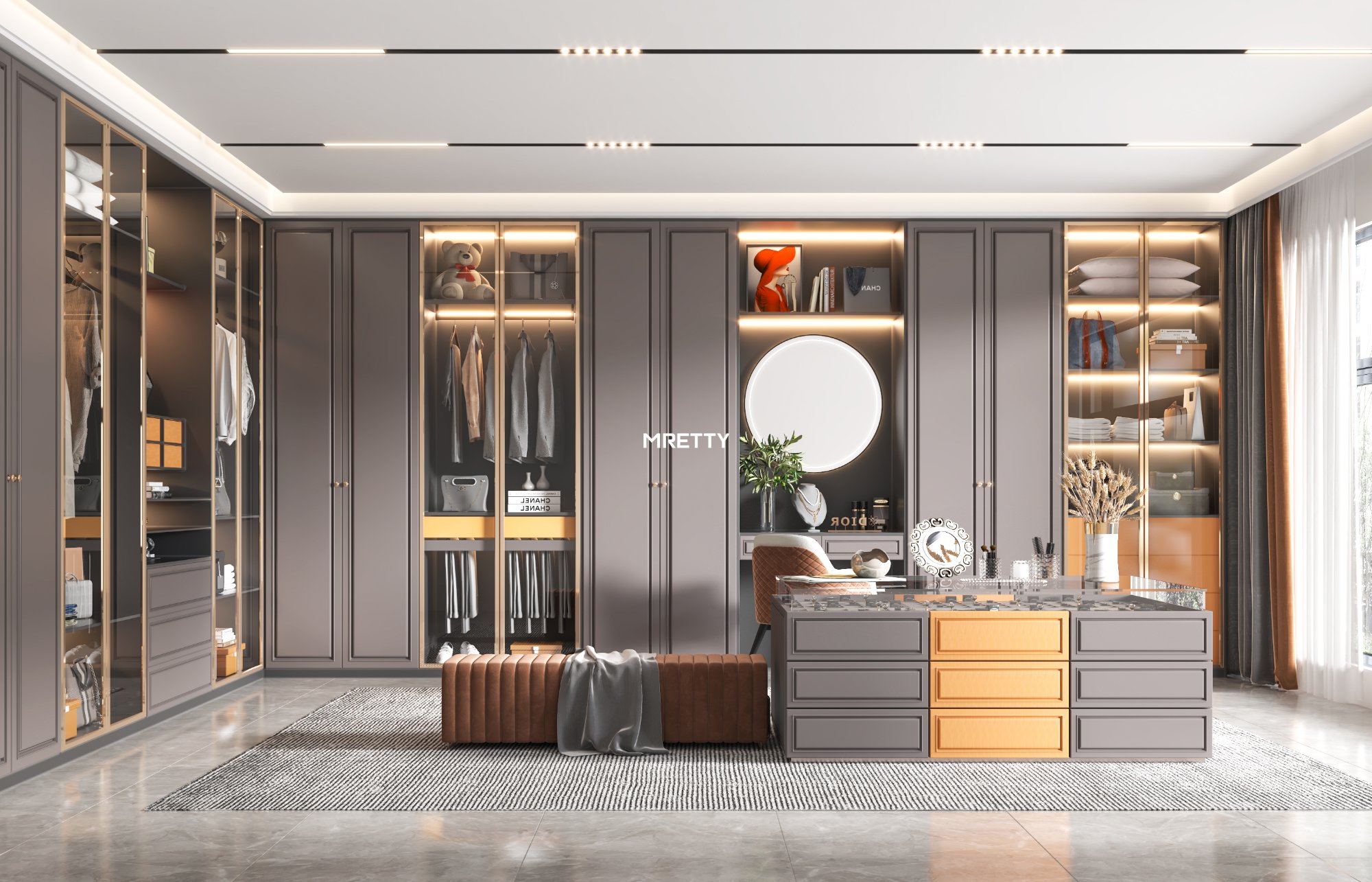
Bespoke Wardrobes: Elegant storage solutions tailored to your space and style, crafted with eco-conscious materials.
- Whole-House Customization: A holistic approach to creating a seamless and sustainable living environment.
Frequently Asked Questions
Q: Is sustainable furniture more expensive?
A: While some sustainable pieces may have a higher upfront cost due to quality materials and ethical production, they are a long-term investment. Their durability means they won't need to be replaced as often, saving you money and reducing waste over time.
Q: How can I be sure a brand is truly sustainable?
A: Look for transparency. Brands that are genuinely committed to sustainability will be open about their materials, supply chain, and manufacturing processes. Certifications like FSC are also a reliable indicator. At MRETTY, we pride ourselves on this transparency.
Q: Can sustainable furniture still be modern and stylish?
A: Absolutely. Sustainable design is at the forefront of modern aesthetics. The use of natural materials, clean lines, and innovative forms results in pieces that are both contemporary and timeless.
Conclusion: A Legacy of Conscious Elegance
The principles of sustainable furniture design offer a path toward a more beautiful and responsible future. By choosing furniture that is thoughtfully designed, consciously crafted, and built to endure, we do more than furnish our homes. We become curators of a better world. Each piece becomes a statement of our values—a commitment to quality, an appreciation for nature, and a legacy of style for the generations that will follow.
As a proud holder of FSC certification, MRETTY is dedicated to upholding the highest standards of environmental and social responsibility. We invite you to experience the fusion of luxury and sustainability. Let us help you craft a space that reflects your style and your values.
Book a Free Consultation Now
By Yang Song, a renowned designer at MRETTY. His "Coastal Serenity" collection, which utilized reclaimed driftwood and recycled glass, won the prestigious Red Dot Design Award in 2023 for its innovative approach to sustainable luxury.
MRETTY: Premium Bespoke Kitchen & Cabinet Systems Provider in Singapore.
