
 Singapore
 China
China
A kitchen is more than a place for cooking; it is the vibrant heart of the home, where stories unfold and memories are made. At the center of this transformation is the kitchen island with seating, redefining the room by blending culinary function with social gathering. It is a statement of style, a hub of activity, and a testament to modern living, essential in open-plan homes.
As a leader in bespoke home solutions, MRETTY understands this evolution, viewing the kitchen island as a centerpiece of life's daily ballet. Our designs create harmonious flow, allowing meal preparation and conversation to coexist beautifully. With meticulous craftsmanship and elegance, we craft kitchen islands that are both functional and breathtaking, designed to be the soul of your kitchen.
The Transformative Benefits of a Kitchen Island with Seating
Integrating a kitchen island with seating brings a multitude of advantages that enhance the functionality, aesthetic, and social dynamics of your home. It's a design choice that pays dividends in daily life.
Unmatched Functionality and Versatility
A well-designed island is a multitasking powerhouse, offering a generous surface for meal preparation, from chopping vegetables to rolling out dough. With integrated sinks or cooktops, it can become the primary workspace, streamlining the cooking process.
Beyond cooking, it serves as a flexible zone for various activities, such as a quiet spot for morning coffee, a makeshift home office, or a dedicated homework station. This versatility makes the kitchen island an indispensable asset in a modern, dynamic household. MRETTY specializes in maximizing this potential, integrating smart storage solutions like deep drawers, pull-out spice racks, and hidden cabinets to keep your space organized and clutter-free.
Enhanced Aesthetics and a Striking Focal Point
Visually, a kitchen island with seating anchors the room, acting as a stunning centerpiece that draws the eye and defines the kitchen's character. The choice of materials—from the cool elegance of marble to the warm, inviting nature of wood—sets the tone for the entire space, with the countertop, cabinet finishes, and seating style working in concert to create a cohesive and polished look.
An island can also serve as a design bridge, connecting the kitchen's aesthetic with adjoining living or dining areas in an open-concept layout, creating seamless visual flow throughout your home. With MRETTY, you can select from an exclusive range of premium materials and finishes to craft an island that is a true reflection of your personal style, transforming your kitchen into a work of art.
The Social Heart of the Home
Perhaps the most cherished benefit is the social one, as a kitchen island with seating naturally encourages interaction. It breaks down the traditional barrier between the host and guests, allowing conversation to flow freely while meals are being prepared, creating a relaxed, informal dining spot perfect for casual family breakfasts or friends gathering with a glass of wine.
This feature transforms the kitchen from a purely utilitarian space into a social hub, fostering togetherness and connection. It makes the kitchen the true heart of the home where life is shared and enjoyed, strengthening bonds over shared meals and laughter, creating a warm and welcoming atmosphere for everyone.
Types of Kitchen Islands with Seating: Finding Your Perfect Match
Kitchen islands come in various forms, each offering a unique blend of style and function. Understanding the different types can help you select the ideal design for your home's layout and your family's lifestyle.
The Classic Breakfast Bar
The breakfast bar is the most common and straightforward design, typically featuring a single-level countertop that extends beyond the island base to create an overhang for comfortable legroom. This style is perfect for casual dining, quick meals, and socializing, with its simple, linear design making it highly versatile, fitting well into a wide range of kitchen sizes and layouts. The uniform height provides a large, uninterrupted surface that is ideal for food prep, serving buffet-style, or spreading out a project.
The Dynamic Multi-Level Island
A multi-level or tiered island offers a more dynamic and functionally zoned approach, usually featuring two different heights: a lower surface at standard counter height (36 inches) for food preparation, and a raised section at bar height (42 inches) for seating.
This separation has several advantages, helping to conceal any cooking-related mess from the view of those seated, creating a tidier look from the dining or living area. The different levels clearly demarcate zones for work and leisure, which can be highly practical in a busy kitchen, and add visual interest and dimension to the room, making a strong architectural statement.
The Sociable L-Shaped or T-Shaped Island
For larger kitchens, an L-shaped or T-shaped island offers expansive counter space and ample seating. The L-shape provides a vast work surface and can wrap around a corner, creating a cozy and inclusive seating nook that naturally encourages face-to-face conversation among those seated, making it an exceptionally social configuration.
The T-shaped island typically involves a table-like structure extending perpendicularly from the main island base. This design clearly separates the dining function from the food prep area while keeping everyone connected in the same central space. Both configurations are grand in scale and function, making them the undisputed centerpiece of a spacious, open-plan kitchen.
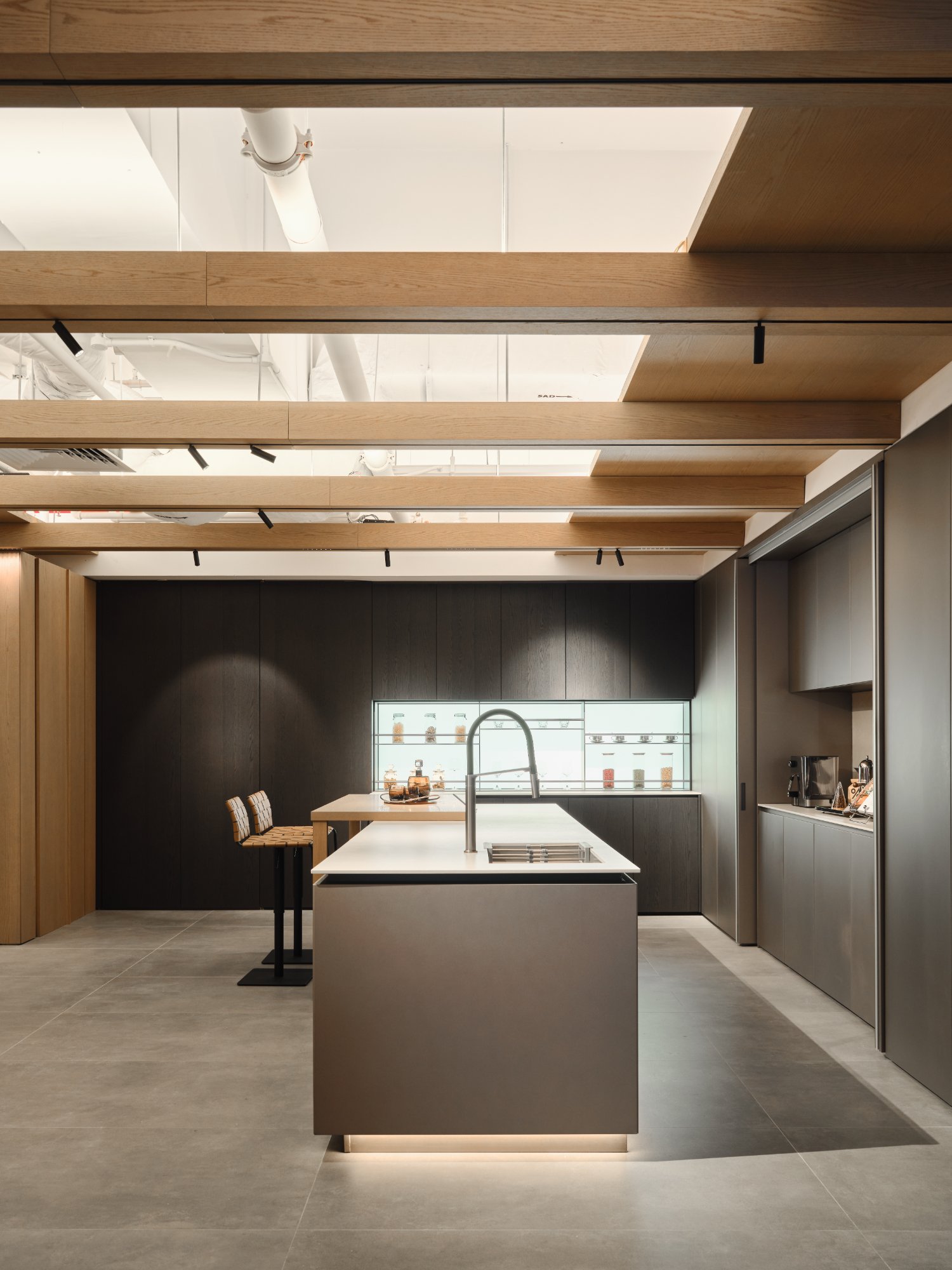
Key Design Considerations for Your Island
Choosing the right kitchen island requires careful thought. From size and materials to layout and lighting, every detail contributes to the final harmony and functionality of your space.
Size, Scale, and Clearance
The first rule of island design is proportion; the island should be scaled to fit your kitchen comfortably. A massive island in a small kitchen will feel overwhelming and obstruct movement, while a tiny island in a large kitchen will look lost and insignificant.
Crucially, you must plan for adequate clearance, with a minimum of 42 inches (107 cm) of clear walkway space recommended on all sides of the island. If it’s a primary work aisle with appliances, 48 inches (122 cm) is even better, ensuring safe and efficient movement, allowing for appliance doors to open fully, and preventing the space from feeling cramped.
Materials and Finishes: The Soul of the Design
The materials you choose for your island's countertop and base will define its aesthetic and durability.
Countertops
- Quartz: Highly durable, non-porous, and resistant to stains and scratches. It offers a vast range of colors and patterns, mimicking natural stone with superior performance.
- Granite: A natural stone known for its unique beauty and heat resistance. Each slab is one-of-a-kind, requiring periodic sealing to prevent stains.
- Marble: The epitome of luxury, prized for its elegant veining and cool touch. It is softer and more porous than granite, requiring more care to prevent etching and staining.
- Wood (Butcher Block): Adds warmth and a natural, rustic charm. It is excellent for chopping and food prep but requires regular oiling to maintain its condition.
Base
The island base can be finished to match your existing cabinetry for a seamless look or painted in a contrasting color to make it a bold statement piece. Shaker-style doors, flat panels, or decorative millwork can all be used to complement your kitchen's overall style.
Seating: Comfort and Style
The seating you choose is just as important as the island itself.
Height
- Stools come in two primary heights: counter height (seat at 24-26 inches) for islands that are 36 inches tall, and bar height (seat at 28-30 inches) for raised bars that are 42 inches tall. Ensure you choose the correct height for your design.
Style
- Consider both comfort and aesthetics. Do you prefer backless stools that can be tucked neatly under the counter, or stools with low or high backs for better support? Upholstered seats add comfort and a touch of softness, while metal or wood stools offer a more industrial or minimalist look.
Spacing
- Plan for about 24 inches of width per person to ensure everyone has comfortable elbow room.
Lighting: Setting the Mood
Proper lighting is essential for both function and ambiance. A row of pendant lights suspended over the island is a popular and stylish choice, providing focused task lighting for the work surface while also serving as a key decorative element. The style of the pendants—be it glass, metal, or woven material—should harmonize with the overall design. Additionally, consider installing dimmers to allow you to adjust the light from bright for cooking to soft for relaxed dining or entertaining.
Maximizing Space in Smaller Kitchens
Even a compact kitchen can benefit from a smartly designed island. The key is to prioritize efficiency and choose designs that enhance the sense of space rather than clutter it.
The Power of the Peninsula
If a freestanding island isn't feasible, a peninsula is an excellent alternative. A peninsula is connected to a wall or existing cabinetry on one end, requiring less floor space while still offering extra counter area, storage, and seating. It effectively creates the functional benefits of an island and can help to define the kitchen area within an open-plan layout without completely enclosing it.
Mobile and Multifunctional Islands
A movable kitchen island on casters offers incredible flexibility for small spaces. It can be positioned in the center of the room when you need an extra work surface and then easily pushed to the side to create more open floor space when entertaining. Look for models that incorporate smart features like drop-leaf extensions, integrated chopping boards, or wine racks to maximize their utility.
Smart Design Tricks for a Spacious Feel
Visual tricks can make a small kitchen feel larger and more open.
- Light Colors: Use a light color palette for the island and surrounding cabinetry to reflect light and create an airy, expansive feel.
- Reflective Surfaces: Materials like polished quartz countertops or a glossy finish on the island base can bounce light around the room.
- Leggy Designs: Choose an island with open legs or a more table-like design instead of a heavy, solid base. This allows you to see the flooring underneath, which creates an illusion of more space.
- Slim Profile: Opt for a narrower island. Even a slim 24-inch-deep island can provide valuable prep space and a seating ledge without consuming too much of the walkway.
Related Products from MRETTY
Explore our collections to find the perfect components for your dream kitchen.
- Bespoke Cabinet Systems: Custom-crafted to fit your space and style, with a focus on premium materials and flawless functionality.
- Luxury Countertops: A curated selection of high-end quartz, granite, and marble to create a stunning and durable centerpiece.
- Integrated Smart Solutions: Seamlessly incorporate smart appliances and lighting into your kitchen design for modern convenience.
Customer Testimonials: The MRETTY Experience
- "MRETTY transformed our kitchen. The island they designed is not just beautiful; it’s where our family gathers every single day. The quality and attention to detail are exceptional." - The Tan Family, Singapore
- "From the initial design consultation to the final installation, the process was seamless. Our new L-shaped island is the star of our home. The craftsmanship is truly top-tier." - Mr. Kumar, Sentosa Cove
Frequently Asked Questions (FAQ)
- What is the minimum space required for a kitchen island with seating?
As a general rule, you need at least 42 inches of clearance around the island for comfortable traffic flow. The island itself should be at least 24 inches deep, with a 12-15 inch countertop overhang for seating.
- Can I add an island to my existing kitchen?
Absolutely. MRETTY specializes in integrating new elements into existing spaces. We can design a custom kitchen island that complements your current cabinetry and layout, creating a cohesive and upgraded look.
- What materials are easiest to maintain for an island countertop?
Engineered quartz is one of the most popular choices for its low maintenance. It's non-porous, so it resists staining and doesn't require sealing. Its durability makes it an excellent choice for a busy family kitchen.
- How does MRETTY ensure the quality of its products?
At MRETTY, quality is our creed. We use only premium, responsibly sourced materials, including those certified by the Forest Stewardship Council (FSC), ensuring environmental and social responsibility. Our advanced manufacturing processes and meticulous craftsmen ensure every piece is built to last.
Conclusion: The Centerpiece of Modern Living
The kitchen island with seating has firmly established itself as more than a trend; it is a cornerstone of contemporary home design. It is a harmonious blend of form and function, a versatile workhorse that doubles as a social magnet, elevating the utility of your kitchen while infusing it with style and personality, creating a space that is both beautiful and deeply livable.
By carefully considering your space, needs, and personal aesthetic, you can create an island that becomes the true heart of your home – a place for preparing meals, sharing stories, and making memories. With a commitment to exceptional craftsmanship and sustainable, high-quality materials, MRETTY is dedicated to bringing your vision to life, with designs built not just for today, but for a lifetime of enjoyment.
As a proud holder of the FSC certification, we guarantee that our materials are sourced responsibly, reflecting our commitment to both luxury and sustainability. Let us help you create a space that is as elegant as it is functional.
Book a Free Consultation Now and begin the journey to your dream kitchen.
About MRETTY
MRETTY: Premium Bespoke Kitchen & Cabinet Systems Provider in Singapore.
Author: 杨松 (Yang Song), Lead Designer at MRETTY, renowned for his work on the award-winning "Orchard Residence" project, which won the Singapore Interior Design Award for Best Kitchen Design in 2023.
