
 Singapore
 China
China
The journey of creating a space, whether a bespoke kitchen or a full home transformation, is one of artistry and precision. It begins with a vision and culminates in a tangible reality that enhances daily life. Central to this journey is the methodology that guides it: design-build project management.
This integrated approach offers an elegant and efficient path forward, a single, harmonious flow from initial spark to final flourish. It transforms the often-fragmented process of renovation into a seamless, collaborative experience, championed by firms like MRETTY that prioritize cohesion and client satisfaction.
Unlike traditional methods that separate design and construction into distinct, often conflicting phases, design-build unifies them under one roof. This model provides a single team, a single contract, and a single point of responsibility.
This convergence of talent—designers, project managers, and craftspeople—working in concert from day one is the cornerstone of the design-build model. It cultivates a partnership where communication flows freely, innovation thrives, and accountability is clear. For the discerning homeowner, this means a process defined by clarity, efficiency, and a shared commitment to bringing a singular vision to life with grace and precision.
The Guiding Principles of Design-Build Project Management
At its heart, design-build project management is built on a foundation of core principles that differentiate it from other construction delivery methods. These tenets are not merely procedural; they represent a philosophical shift towards a more integrated and client-centric way of working.
- A Singular Point of Responsibility
The most defining principle is the single source of accountability. The client engages with one entity—the design-build firm—for the entire project, which is responsible for both the design and the construction. This simple, powerful structure eliminates the classic scenario of architects and contractors pointing fingers when issues arise. With one team responsible for the outcome, problems are solved collaboratively and efficiently, focusing on the solution rather than assigning blame.
- The Power of Collaboration
Design-build is inherently collaborative, with designers and construction professionals working side-by-side from the project's inception. This early and continuous collaboration ensures that design decisions are informed by real-world construction costs, material availability, and buildability. This synergy allows for creative problem-solving and value engineering, optimizing the design for aesthetics, function, and budget simultaneously. The result is a design that is not only beautiful but also practical and cost-effective to execute.
- An Overlap of Design and Construction
In the design-build model, the design and construction phases are not strictly linear; instead, they overlap. This "fast-tracking" allows construction to begin on certain elements of the project before the entire design is finalized. For instance, foundation work can commence while interior finish details are still being refined. This concurrency shortens the overall project timeline, delivering the finished space to the client faster without compromising quality.
- Open and Transparent Communication
With a unified team, communication becomes streamlined and transparent. The client has a single, reliable point of contact who provides consistent updates and answers. Internally, the close-knit nature of the design-build team fosters an environment of open dialogue. This continuous feedback loop ensures everyone is aligned with project goals and that potential issues are identified and addressed proactively, minimizing delays and misunderstandings.
- A Commitment to Client Value
Ultimately, the principles of design-build are oriented toward delivering maximum value to the client. By integrating cost and schedule considerations into the design phase, the team can make informed decisions that align with the client’s budget and timeline. The collaborative process fosters innovation, leading to better design solutions and more efficient construction methods. This focus on value ensures that the final product not only meets but exceeds the client’s expectations in terms of quality, functionality, and aesthetic appeal. At MRETTY, this commitment is visible in every custom kitchen and cabinet system we create, where elegant design meets flawless execution.
Design-Build vs. Traditional Methods: Clear Advantages
Choosing a project delivery method is a critical decision that shapes the entire experience. The contrast between the modern design-build approach and the traditional design-bid-build model is stark, highlighting the significant benefits of an integrated process.
The Traditional Design-Bid-Build Path
In the conventional design-bid-build model, the project unfolds in three separate and sequential steps:
- Design: The owner hires an architect or designer to create a complete set of construction documents.
- Bid: These documents are then put out to tender, and various general contractors submit bids to build the project. The owner typically selects the lowest bidder.
- Build: The selected contractor then executes the construction based on the completed design documents.
This linear process creates a separation between the design team and the construction team. The architect and contractor operate under separate contracts with the owner, leading to several potential challenges:
- Adversarial Relationships: Since the contractor was not involved in the design, they may find flaws or cost inefficiencies but have little incentive to suggest improvements. Conflicts often arise over design interpretations, and change orders become a source of friction and added cost.
- Budget and Schedule Risks: The true cost of the project is not known until the bidding phase is complete. If all bids come in over budget, the owner faces the costly and time-consuming process of redesigning the project to reduce costs.
- Fragmented Accountability: When problems occur, it can be difficult to determine responsibility. The contractor might blame a design flaw, while the architect might point to poor construction quality. The owner is often caught in the middle, left to mediate disputes.
The Integrated Design-Build Solution
Design-build project management elegantly solves these issues by creating a unified team from the start:
- Streamlined Collaboration: The designer and builder are part of the same team, working together from day one. This fosters a collaborative spirit focused on a common goal: delivering the best possible project for the client. The builder’s practical knowledge informs the design process, ensuring feasibility and cost-effectiveness. This synergy, central to the MRETTY philosophy, results in innovative solutions that balance aesthetic vision with practical execution.
- Cost and Time Savings: With a design-build team, a guaranteed maximum price can often be established much earlier in the process. The ability to "fast-track" the project by overlapping design and construction phases significantly shortens the overall timeline. A study by the Construction Industry Institute (CII) found that design-build projects are, on average, delivered 33% faster and at a 6% lower cost than projects using the design-bid-build method.
- Singular Responsibility: The client has a single contract and a single point of contact. If any issues arise, the design-build firm is solely responsible for resolving them. This simplified structure reduces the administrative burden on the client and ensures clear accountability. The focus remains on solutions, not on blame.
- Enhanced Quality and Innovation: The collaborative nature of design-build encourages creative problem-solving. When designers and builders combine their expertise, they can push the boundaries of design and construction, resulting in a higher-quality and more innovative final product. The team is motivated to find the best materials and methods to achieve the client's vision within the established budget.
In essence, while the traditional model creates silos and potential for conflict, design-build project management fosters a partnership. It transforms the construction process from a sequence of hand-offs into a fluid, integrated journey toward a shared destination.
The Design-Build Process: A Step-by-Step Journey
The design-build process is a structured yet fluid journey, guiding a project from an abstract idea to a beautifully realized space. Each phase flows logically into the next, built upon a foundation of continuous collaboration.
Step 1: Team Selection and Vision Casting
The journey begins with selecting the right design-build firm. This is a crucial decision based on the firm's portfolio, expertise, and collaborative approach. Once a partner like MRETTY is chosen, the initial phase is dedicated to discovery.
The team works closely with the client to understand their vision, lifestyle, functional needs, aesthetic preferences, and budget. This is a deep-dive session where ideas are born and the project's foundational goals are established.
Step 2: Conceptual Design and Feasibility
With a clear vision, the design team develops initial concepts. These are not just floor plans; they are holistic design ideas presented through sketches, mood boards, and 3D renderings. Simultaneously, the construction side of the team provides preliminary cost estimates and assesses the feasibility of the concepts.
This early integration ensures that the design being developed is aligned with the client's budget from the outset. Adjustments are made collaboratively, shaping a design that is both inspiring and achievable.
Step 3: Design Development and Refinement
Once a concept is approved, the team moves into design development. This is where the details come to life. The team refines the layout, selects materials, fixtures, and finishes, and develops detailed drawings.
The client is an active participant in this phase, making key decisions with the expert guidance of the design team. Throughout this stage, the construction team continues to provide cost updates, ensuring that the project remains on budget as the details are finalized. This transparent process eliminates surprises down the line.
Step 4: Construction Documentation and Permitting
With the design finalized, the team prepares the comprehensive construction documents required for building permits and execution. Because the construction experts have been involved all along, these documents are highly accurate and optimized for efficient construction.
The design-build firm typically handles the entire permitting process, navigating the complexities of local regulations on behalf of the client, further simplifying the client's role.
Step 5: Construction and Project Management
As construction begins, the project manager from the design-build firm oversees every aspect of the work. They coordinate subcontractors, manage the schedule, control costs, and ensure that quality standards are met.
The designer remains actively involved, making regular site visits to ensure the design intent is being executed faithfully. Communication with the client is ongoing, with regular updates on progress. Any challenges that arise on-site are resolved swiftly by the integrated team, minimizing delays and maintaining momentum.
Step 6: Completion and Handover
Upon completion of the construction, the team conducts a thorough walkthrough with the client to ensure every detail is perfect. This "punch list" process addresses any final adjustments.
After the final inspection and client approval, the project is officially handed over. A quality design-build firm will also provide comprehensive warranty information and be available for any future needs, cementing a long-term relationship.
Overcoming Challenges in Design-Build Projects
While design-build project management offers a more streamlined path, no project is without its potential challenges. The strength of the model lies in its inherent ability to address these issues proactively.
Challenge 1: Defining the Project Scope Clearly
The Issue: An ill-defined scope at the beginning can lead to "scope creep," where new requests and changes derail the budget and timeline.
The Solution: The collaborative discovery phase in design-build is the antidote. A skilled design-build team will lead the client through a thorough programming and visioning process. By asking the right questions and documenting every decision, the team establishes a clear, mutually agreed-upon scope before significant design work begins. This document becomes the guiding star for the entire project.
Challenge 2: Balancing Design Aspirations with Budget Realities
The Issue: Clients often have ambitious design dreams that may not align with their initial budget.
The Solution: The continuous cost feedback loop is a core benefit of design-build. From the earliest conceptual sketches, the construction estimators provide real-time cost input. If a design element is pushing the budget, the integrated team can immediately brainstorm alternatives—a different material, a modified construction technique—that achieve a similar aesthetic effect at a lower cost. This process, known as value engineering, is woven into the design-build fabric.
Challenge 3: Ensuring Quality Control
The Issue: In any construction project, there is a risk that the quality of workmanship or materials may not meet expectations.
The Solution: In design-build, the firm’s reputation rests on the final product; there is no one else to blame. This singular accountability creates a powerful incentive for self-policing and maintaining the highest quality standards. Firms like MRETTY take this a step further by using premium, certified materials, such as those with FSC certification, which guarantees responsible sourcing. The project manager and designer work in unison on-site to oversee craftsmanship and ensure every detail aligns with the approved design.
Real-World Success: A Design-Build Case Study
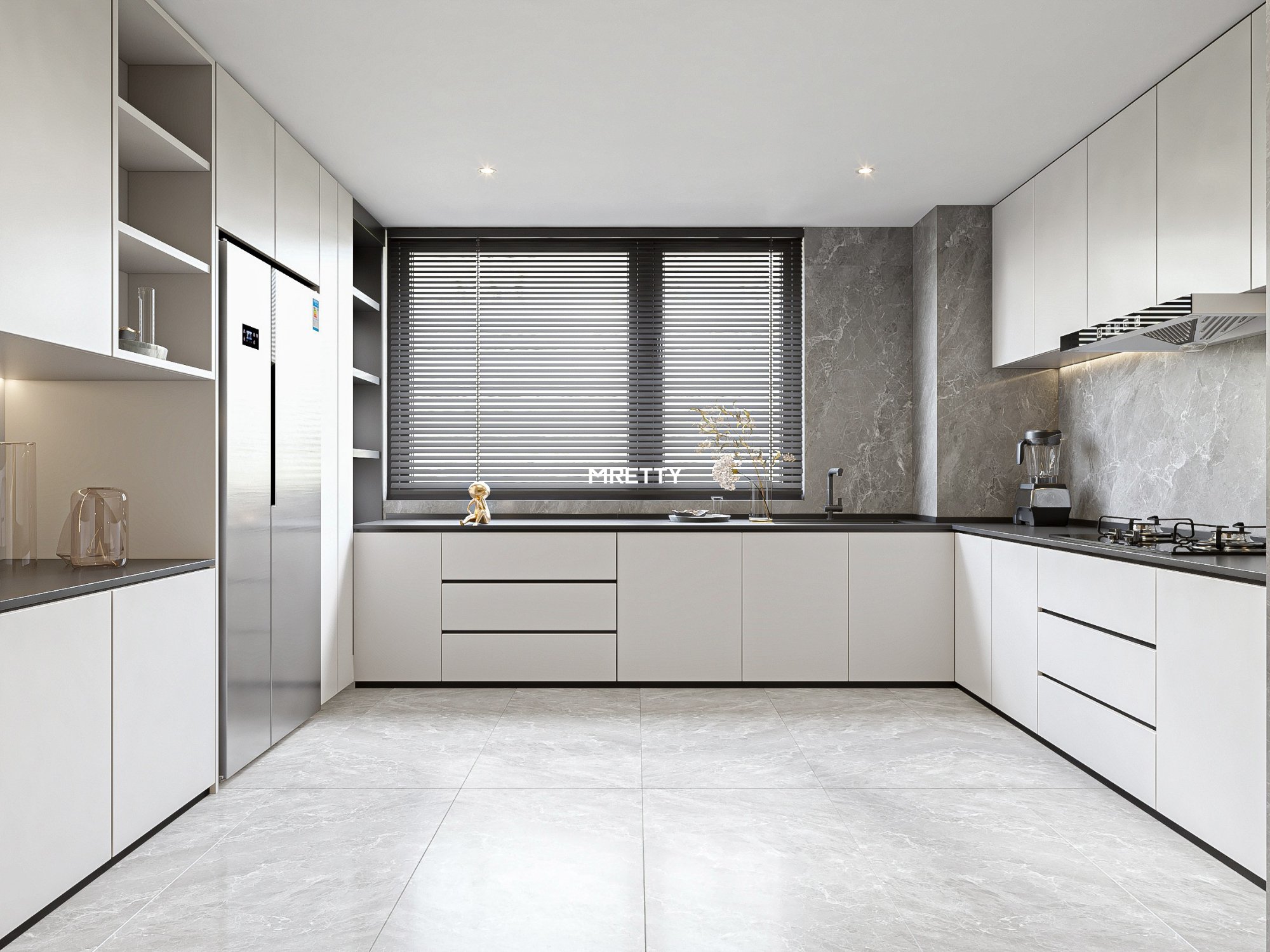
Consider the transformation of a dated, enclosed kitchen in a private condominium into a bright, open-concept heart of the home.
- The Vision: The owners, a young family, desired a modern, minimalist kitchen that integrated seamlessly with their living area. They wanted a large island for casual dining, smart appliances, and durable, eco-friendly materials safe for their children.
- The Process: They chose a design-build firm specializing in bespoke kitchens. During the initial discovery, the team proposed removing a non-structural wall to achieve the open-concept flow. The integrated team immediately confirmed the structural feasibility and cost implications.
- Collaboration in Action: The designer worked with the family to select sleek, handleless cabinetry and a quartz countertop. The construction manager suggested a specific brand of low-VOC paint and FSC-certified wood for open shelving, aligning with the family's desire for sustainability. The entire material and appliance package was finalized with a clear, all-in cost before any demolition began.
- The Result: The project was completed two weeks ahead of the timeline projected by a traditional bid process. The final cost matched the agreed-upon budget exactly. The family received a stunning, highly functional kitchen that perfectly reflected their vision. The single point of contact and transparent communication made the entire renovation feel effortless and exciting, rather than stressful. This case study exemplifies the power of design-build to deliver superior results with an elevated client experience.
Explore Our Related Products
Explore our collections to find inspiration for your project:
- Bespoke Kitchen Systems: Discover elegant designs and smart solutions tailored to your culinary lifestyle.
- Custom Wardrobe and Cabinetry: Maximize your space with beautifully crafted storage that reflects your personal style.
- Whole-House Customization: Embark on a journey to create a cohesive and harmonious living environment throughout your home.
Frequently Asked Questions (FAQs) About Design-Build
Q: Is the design-build process more expensive?
A: No, it is often more cost-effective. By integrating design and construction, we can control costs from the very beginning, reduce expensive changes during construction, and shorten the project timeline, all of which lead to overall savings.
Q: How involved will I be in the process?
A: You will be as involved as you want to be. Our process is collaborative, especially during the design phases where your input is crucial. Once construction begins, you can trust our team to manage the day-to-day, while we provide you with regular, clear updates.
Q: What if I want to make a change mid-project?
A: We understand that ideas can evolve. Because we have an integrated team, we can quickly assess the cost and schedule implications of any requested change and present you with a clear change order for your approval before proceeding.
Conclusion: The Art of Unified Design-Build Creation
Design-build project management is more than a methodology; it is a philosophy of creation. It is about replacing fragmentation with harmony, and uncertainty with confidence. By uniting the visionaries and the builders under a single banner, this approach ensures that the journey from concept to completion is as elegant and well-crafted as the final space itself.
The result is a process defined by collaboration, efficiency, and unwavering accountability, delivering not just a project, but a precisely realized vision. At MRETTY, we embody this philosophy in every bespoke system we create. Our commitment to excellence is reinforced by our use of premium materials, including those with FSC certification, ensuring sustainability and quality are built into the very core of your home.
Let us bring the same seamless elegance to your project. Book a Free Consultation Now
About the Author
Yang Song is renowned for his minimalist yet warm aesthetic, having led numerous award-winning residential projects. His work on the "Sentosa Cove Waterfront Residence" was celebrated for its innovative use of space and seamless integration with the natural landscape, earning him the prestigious Singapore Interior Design Excellence Award.
About MRETTY
MRETTY is a premium Bespoke Kitchen & Cabinet Systems Provider in Singapore.
