
 Singapore
 China
China
In the symphony of interior design, where architecture sets the rhythm and decor provides the melody, it is the subtle, intricate notes that create the harmony. A home is more than a shelter; it is a canvas for living, a sanctuary where the spirit finds rest. While the broad strokes of layout and furniture placement are essential, the true essence of luxury often resides in the finer points—the architectural woodworking details that whisper of craftsmanship, heritage, and uncompromising quality.
Imagine a room where the walls are not merely partitions but textured narratives, clad in warm, honey-toned paneling that invites the touch. Visualize a ceiling where the interplay of light and shadow is orchestrated by meticulously carved crown moldings, drawing the eye upward in a gesture of grandeur. This is the transformative power of wood. It is an organic medium that, when shaped by skilled hands, bridges the gap between the structural and the ornamental. At MRETTY, we understand that these details are not mere embellishments; they are the soul of the space, defining the character of a home and reflecting the unique personality of its inhabitants.
This comprehensive exploration delves into the art of architectural woodworking, revealing how bespoke millwork, joinery, and cabinetry can elevate a residence from the ordinary to the extraordinary. We invite you to journey with us through the grain and the groove, discovering how the timeless beauty of wood can be tailored to create modern, sophisticated living environments.
The Poetics of Wood: Why Architectural Details Matter
In an era of mass production and ephemeral trends, there is a profound longing for authenticity. Wood, with its inherent warmth and unique grain patterns, offers a connection to the natural world that synthetic materials simply cannot replicate. However, the magic lies not just in the material itself, but in how it is manipulated. Architectural woodworking details are the punctuation marks of design; they dictate the flow of a room, frame views, and create distinct zones without the need for solid barriers.
The Psychological Impact of Wood Craftsmanship
There is a subtle psychology at play when we enter a space rich in woodworking details. The complexity of a fluted column or the precision of a dovetail joint signals care, attention, and permanence. These elements subconsciously communicate a sense of stability and safety. In the hustle of modern life, particularly in dynamic cities like Singapore, coming home to an environment that feels grounded and meticulously crafted offers a profound sense of relief. It is the difference between a house that feels constructed and a home that feels curated.
Beyond Function: The Aesthetic of Elegant Woodwork
While the primary function of a skirting board might be to protect the wall, or an architrave to hide a joint, in the world of high-end design, these are opportunities for artistic expression. A tall, elaborately profiled skirting board anchors a room, giving it a sense of stature. A minimalist, shadow-gap detail where the wall meets the floor speaks of contemporary precision. MRETTY specializes in identifying these opportunities, turning functional necessities into aesthetic triumphs that contribute to a cohesive and elegant visual language.
The Anatomy of Architectural Woodworking Details
To truly appreciate the scope of woodworking in architecture, one must understand the diverse elements that fall under this umbrella. It extends far beyond simple furniture to encompass the very fabric of the interior.
1. Wall Paneling and Wainscoting
Few elements transform a room as dramatically as wall paneling. Historically used to provide insulation, today it is a hallmark of sophistication.
- Raised Panel: Evoking a sense of traditional grandeur, raised panels add depth and shadow, creating a rich, three-dimensional surface that plays beautifully with light.
- Flat Panel (Shaker Style): For those who prefer understated elegance, flat panels offer clean lines and geometric simplicity, bridging the gap between classic and modern.
- Slatted Wood: A favorite in contemporary Singaporean homes, vertical wood slats add texture and verticality, making ceilings feel higher and spaces more airy. They can also serve as clever camouflage for hidden doors or storage, a technique frequently employed by MRETTY designers to maintain sleek visual lines.
2. Crown Molding and Skirting Boards
The transition points where walls meet ceilings and floors are critical. Without thoughtful woodworking, these junctions can feel abrupt.
- Crown Molding: This draws the eye upward, softening the harsh angle between wall and ceiling. In high-ceilinged rooms, a stepped cornice adds architectural weight; in compact spaces, a simple cove molding can make the room feel more expansive.
- Skirting Boards: Often overlooked, the height and profile of the skirting board set the scale for the room. A substantial skirting board grounds the space, providing a solid visual foundation.
3. Bespoke Cabinetry and Built-in Woodwork
This is where architectural woodworking details truly merge with lifestyle needs. Unlike freestanding furniture, built-ins become part of the architecture.
- Library Walls: A floor-to-ceiling bookcase is not just storage; it is a display of intellectual curiosity and personal history.
- Window Seats: By reclaiming the unused space under a window, woodworking creates a cozy nook for contemplation, integrating storage drawers beneath for functionality.
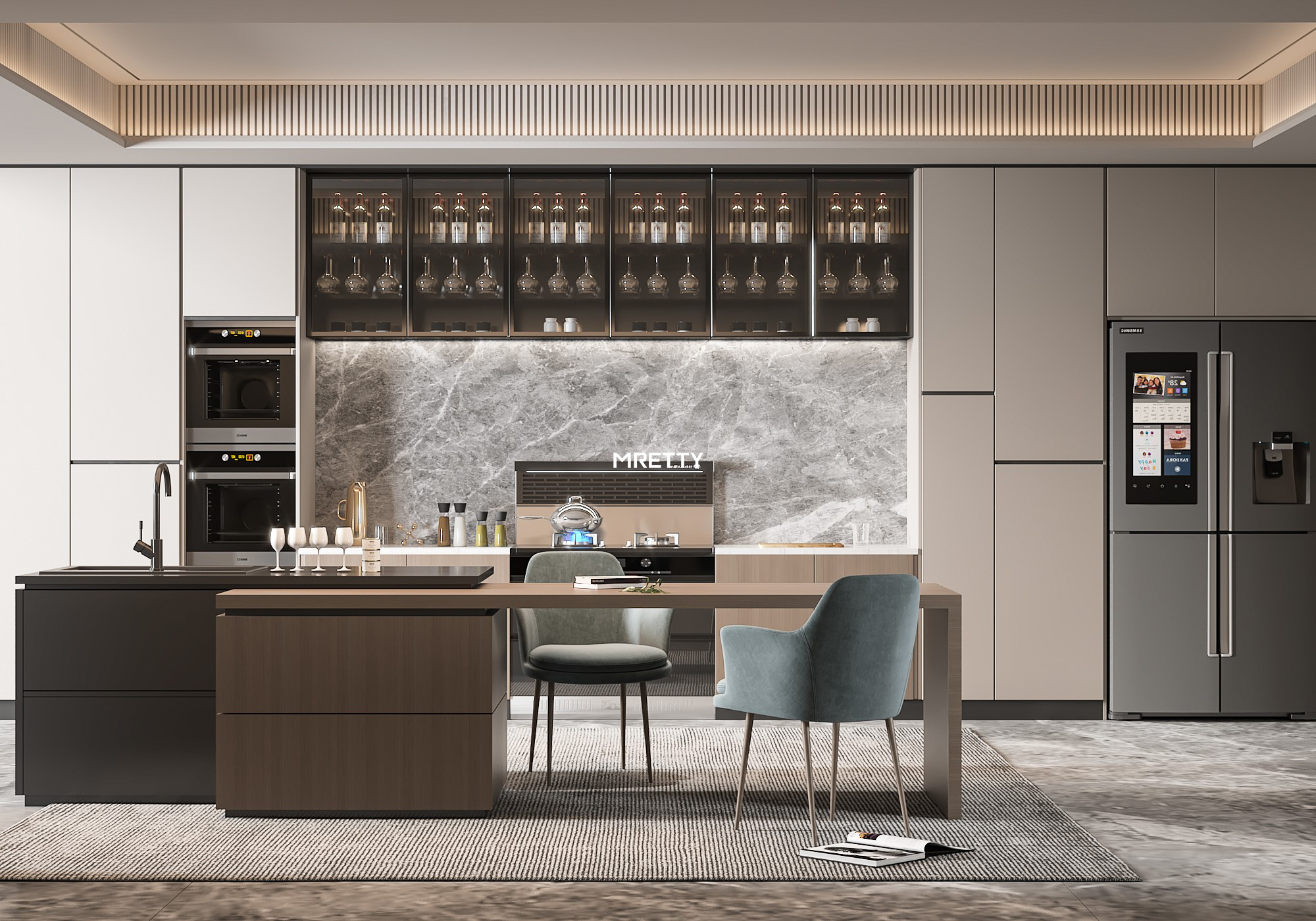
- Custom Kitchens: The kitchen is the heart of the home. Here, woodworking details—from the edge profile of a countertop to the hidden joinery of a spice rack—determine both the beauty and the durability of the workspace.
The MRETTY Philosophy: Where Woodworking Tradition Meets Innovation
At MRETTY, we view architectural woodworking as a dialogue between the past and the future. We honor traditional joinery techniques—mortise and tenon, dovetails, tongue and groove—because they offer unmatched strength and longevity. Yet, we apply these time-tested methods to modern aesthetics and contemporary needs.
Customization as the Ultimate Woodworking Luxury
No two homes are alike, and no two trees are identical. This belief drives our commitment to bespoke solutions. "Customizable" is not just a buzzword for us; it is our operational ethos. Whether it is adapting a millwork profile to match a vintage piece of furniture or designing a wardrobe system that navigates the complex angles of an attic room, our goal is seamless integration.
Tailored to Your Lifestyle: Do you host frequent dinner parties? We can design a dining room with integrated sideboards featuring intricate marquetry. Do you work from home? We can craft a home office with hidden cable management and acoustically treated wood panels to ensure focus and tranquility.
Material Mastery: Our access to premium timbers—from the deep, resonant tones of Walnut to the pale, Scandinavian chic of White Oak—allows us to paint with wood. We finish these materials with eco-friendly oils and lacquers that protect the wood while enhancing its natural beauty, ensuring a tactile experience that is silky and refined.
The Intersection of Technology and Wood Craft
While we revere the hand plane and the chisel, we also embrace technology. CNC (Computer Numerical Control) machining allows us to achieve levels of precision in architectural woodworking details that were once impossible. Intricate fretwork, complex geometric patterns, and perfectly repeatable moldings are executed with microscopic accuracy, then hand-finished by our artisans to ensure the human touch remains. This fusion of tech and touch defines the MRETTY standard.
Enhancing Space through Architectural Woodworking Details
For the discerning homeowner, particularly in urban environments where space is at a premium, architectural woodworking is a strategic tool for space optimization.
Defining Zones in Open-Plan Living with Wood
Open-plan living is popular, but undefined spaces can feel cavernous and impersonal. Woodworking details can subtly delineate zones without blocking light. A see-through timber screen can separate an entryway from a living room, providing privacy while maintaining a sense of flow. A change in ceiling treatment—perhaps a dropped wooden coffer over the dining area—can intimate a separate "room" within a larger space.
The Art of Concealment in Woodwork
Modern luxury is often about what you don't see. Clutter is the enemy of calm.
- Hidden Storage: MRETTY specializes in "invisible storage walls"—panels that push to open, revealing ample shelving for everyday items.
- Integrated Appliances: In the kitchen, custom panels can disguise refrigerators and dishwashers, allowing the cabinetry to read as elegant furniture rather than utilitarian equipment.
- Secret Passages: For a touch of whimsy and high security, a bookshelf can double as a door to a private study or a safe room, a feature that showcases the pinnacle of precision engineering in woodworking.
Sustainability in Luxury Woodworking: A Conscience Choice
True elegance cannot exist without responsibility. As we shape our homes, we must also protect our common home—the Earth.
Architectural woodworking details should tell a story of longevity, not disposability. Solid wood and high-quality veneers are durable; they age gracefully, acquiring a patina over time that adds to their character. Unlike fast furniture that ends up in landfills, well-crafted architectural joinery can last for generations.
Furthermore, wood is a carbon-sequestering material. By incorporating timber into your home, you are effectively storing carbon. However, this is only virtuous if the wood is harvested responsibly. Unchecked logging devastates ecosystems. Therefore, the pedigree of the material is as important as the craftsmanship.
Selecting the Right Architectural Woodworking Details
Embarking on a renovation or a new build can be overwhelming. How do you choose the right architectural woodworking details?
- Respect the Architecture: The details should speak the same language as the building. A Victorian shophouse calls for ornate cornices and high skirtings; a modern condo at Marina Bay demands sleek lines and minimal ornamentation.
- Consistency is Key: While rooms can have different moods, the woodworking details should provide a golden thread of continuity. Using the same timber species or a recurring motif (like a specific edge profile) throughout the home creates a cohesive narrative.
- Balance Proportions: Large, heavy moldings can crush a small room, while dainty details can get lost in a grand hall. MRETTY designers are experts in scale and proportion, ensuring that every element sits comfortably within its context.
- Touch Points: Prioritize quality in areas you touch. Handrails, door handles, and cabinet pulls are tactile interaction points. The feel of smooth, solid wood underhand is a daily reminder of quality.
The Future of Architectural Woodworking in Design
The world of architectural woodworking is evolving. We are seeing a resurgence of maximalism—a move away from stark white boxes towards rich textures and colors. Dark, moody woods are returning, along with intricate parquetry flooring and coffered ceilings.
Simultaneously, the integration of smart home technology into woodworking is the new frontier. Imagine a wooden bedside table that wirelessly charges your phone, or wardrobe lighting that adjusts its color temperature based on the time of day. At MRETTY, we are at the forefront of this evolution, constantly exploring new ways to merge the ancient art of woodworking with the conveniences of the future.
Discover MRETTY's Signature Woodworking Collections
Elevate your interiors with our signature collections:
- The Heritage Paneling Series: Transform your walls with our range of classic and contemporary wood paneling systems, customizable in finish and profile.
- The Artisan Kitchen Collection: Experience the perfect blend of culinary function and furniture-grade craftsmanship with our bespoke cabinetry.
- The Zen Divider Screens: Create privacy and visual interest with our custom-designed timber slats and screens, perfect for modern open-plan layouts.
Frequently Asked Questions (FAQ) about Architectural Woodworking
Q: Can architectural woodworking be applied to existing homes, or is it only for new builds?
A: Absolutely. Retrofitting woodworking details is one of the most effective ways to upgrade an existing property. Adding wainscoting, changing skirting boards, or installing built-in cabinetry can completely change the look and feel of a room without structural changes.
Q: How do wood details hold up in Singapore's humid climate?
A: This is a crucial consideration. At MRETTY, we use specifically selected, kiln-dried timbers and high-grade marine plywoods that are stable and resistant to warping. Our finishing processes also seal the wood against moisture, ensuring your investment withstands the tropical environment.
Q: Is custom woodworking significantly more expensive than store-bought options?
A: While the initial cost is higher due to the materials and labor involved, the value proposition is superior. Custom pieces fit your space perfectly (no wasted gaps), are built to last longer, and can increase the resale value of your property.
Q: Can I see how the details will look before installation?
A: Yes. We use advanced 3D visualization tools to show you exactly how the woodworking details will look in your space, allowing you to approve every curve and contour before a single piece of wood is cut.
Real Client Experience: MRETTY Architectural Woodworking
"We wanted our penthouse to feel warm and inviting, not like a cold gallery. The team at MRETTY suggested walnut wall paneling with integrated brass details. The result is breathtaking. It feels like a boutique hotel, yet it’s unmistakably our home. The craftsmanship is flawless." — Mr. & Mrs. Tan, District 10, Singapore
In the end, a home is a collection of details. It is the smooth glide of a drawer, the solid thud of a heavy door, the way light catches the edge of a shelf. These are the moments that define our daily experience.
By choosing MRETTY, you are choosing to honor these moments. You are choosing a partner who values the integrity of the material and the precision of the cut. Our commitment to excellence is verified by our adherence to global sustainability standards; we proudly utilize materials that are FSC (Forest Stewardship Council) certified, ensuring that your pursuit of luxury also supports the health of our planet's forests.
Do not settle for the ordinary. Let us help you sculpt a home that is a true reflection of your taste and a testament to timeless quality.
Book a Free Consultation Now
About the Author
Pan Junqi
A visionary in the realm of interior architecture, Pan Junqi serves as a Senior Design Director at MRETTY. With over 15 years of experience, he was recently awarded the "Golden Compass Award for Excellence in Woodworking Design" for his innovative use of reclaimed timber in modern luxury residences.
MRETTY: Premium Bespoke Kitchen & Cabinet Systems Provider in Singapore.
