
 Singapore
 China
China
The Answer: In 2026, Singapore homes are embracing three core ideas: sustainability, smart integration, and personal well-being. Homeowners now demand designs that merge beauty with function. Spaces must be both stunning and efficient. These contemporary home design ideas reflect a global move towards mindful living, tailored for Singapore's unique climate.
Key Takeaways:
Biophilic design brings nature into our dense urban environment.
Sustainable materials and smart home tech are no longer optional.
Multifunctional furniture is essential for maximizing HDB and condo layouts.
Earthy tones and curved forms define the new, serene aesthetic.
Are Singapore Homes Ready for 2026's New Look?
I've been a whole-home designer for 14 years. I've seen trends come and go, especially in a fast-paced city like Singapore. But something feels different now. The modern home design trends for 2026 aren't just about looks. They're about creating spaces that actively improve our lives.
Knowing which trends have lasting value is key for any homeowner planning a renovation this year. Let's explore the movements shaping Singaporean homes in 2026.
1. Biophilic Design: Nature is Non-Negotiable
Biophilic design is a core trend for 2026. It integrates natural elements indoors to connect us with nature. This improves well-being and focus. For Singapore apartments, this means more than just a few pots. It involves using living plants, maximizing natural light, and choosing organic materials.
Last month, we finished a 4-room BTO flat in Punggol. We designed a feature wall with preserved moss and built-in vertical planters. The client told us the living room's atmosphere felt completely different—calmer. This shows how powerful a planned biophilic approach can be.
Common Mistake: Placing potted plants randomly. This creates clutter, not calm.
Better Approach: Design dedicated green zones. A plant wall or a mini indoor garden with proper light and drainage makes a real impact.
Thoughtful biophilic design creates healthy, serene urban homes.
2. Sustainable Materials & Truly Smart Homes
Eco-friendly living is a powerful force in design. Sustainable materials are now a standard part of 2026 home renovation trends in Singapore. Homeowners want materials that are both durable and responsible.
For instance, choosing engineered wood with Forest Stewardship Council (FSC) certification reduces environmental impact. A Straits Times survey from mid-2025 noted that over 60% of Singaporean homeowners now prioritize sustainable materials in their renovation choices.
At the same time, smart home integration has become a basic need. But here's the counter-intuitive part.
Everyone thinks smart homes are about convenience. But actually, the biggest benefits are cost savings and safety. While automated blinds are cool, a smart system that cuts your utility bill by 15% by optimizing your air-con is a game-changer. Smart smoke detectors that alert your phone are about security, not just novelty.
Common Mistake: Focusing only on flashy smart gadgets.
Better Approach: Prioritize energy-efficient appliances from brands like Bosch or Samsung. Integrate them into a central hub for real control over consumption and safety.
The best modern homes blend environmental responsibility with practical technology.
What are the main interior design trends for 2026?
The key trends are biophilic design, sustainable materials, practical smart home systems, and multifunctional spaces. Visually, this is expressed through warm, earthy colour palettes and soft, curved forms. These trends all point towards creating homes that support well-being and efficiency.
3. The Rise of Multifunctional HDB & Condo Spaces
Space is Singapore's ultimate luxury. This makes multifunctional design a top contemporary home design idea for 2026. Rooms must serve multiple purposes.
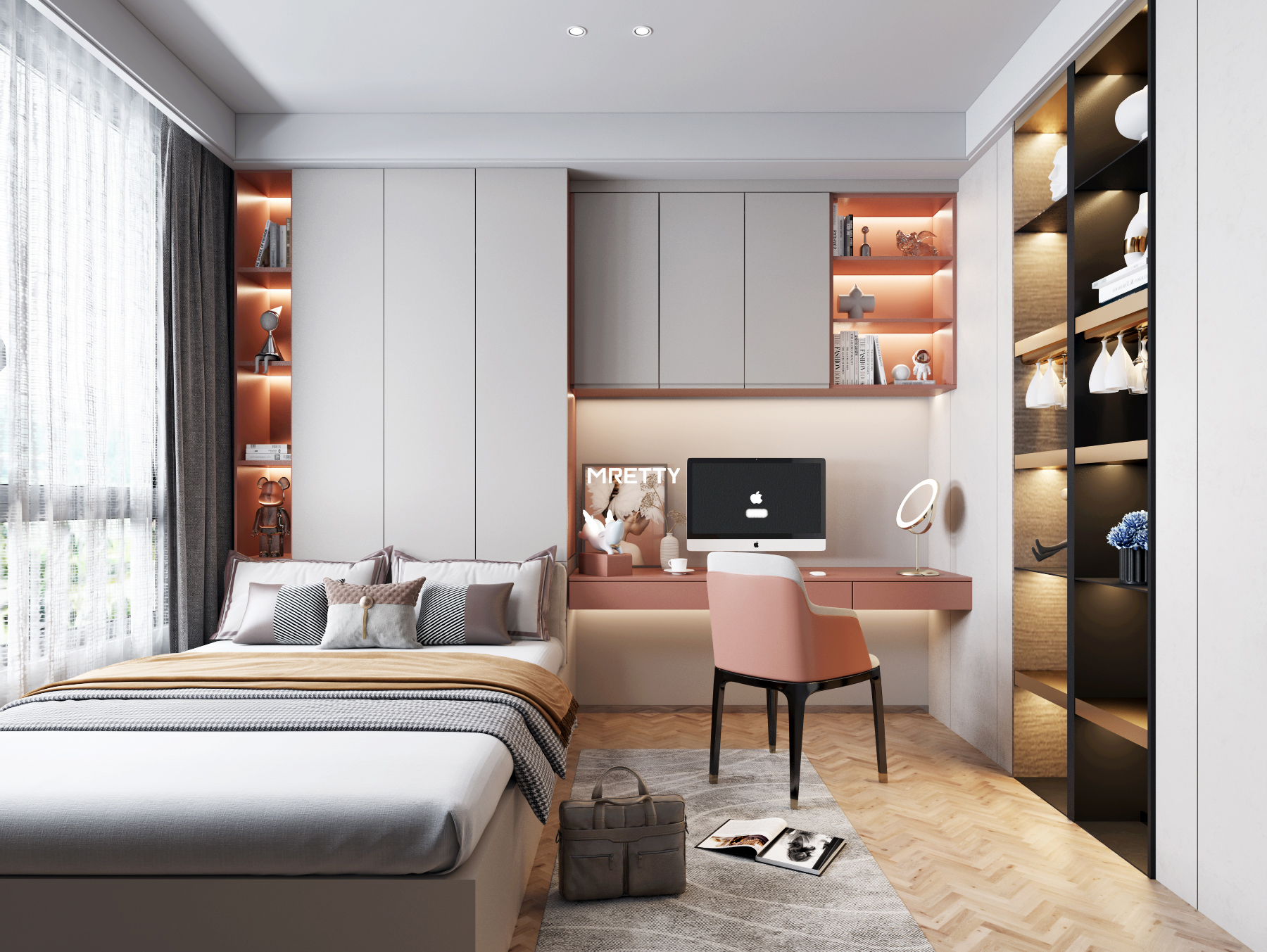
This is especially true for modern HDB interior design, where every square foot matters. A living room can become a home office. A dining area can transform into a play zone. The keys are modular furniture and clever hidden storage.
For a client's 3-room HDB in Tampines, our MRETTY team designed a custom cabinet system. It featured a pull-down bed, a fold-out desk, and deep storage. This single piece of furniture turned a small room into a guest bedroom, study, and storage unit.
Common Mistake: Using oversized, single-purpose furniture that crowds the room.
Better Approach: Invest in bespoke, space-saving furniture. Pieces with hidden storage or dual functions are worth the cost.
Efficient multifunctional design is essential for modern Singaporean living.
4. Japandi's Triumph Over Scandinavian Style
The Japandi vs. Scandinavian debate is settling. Both styles influence our aesthetics, but one is pulling ahead. Japandi—a mix of Japanese minimalism and Scandi warmth—is defining the 2026 look. It uses clean lines, natural materials, and muted colours to create a tranquil space.
| Japandi Style (2026 Focus) | Scandinavian Style (Pre-2023) |
|:---|:---|
| Muted, earthy tones (greys, beiges, sage) | Bright whites, light woods, pastel pops |
| Focus on craftsmanship, wabi-sabi imperfection | Emphasis on function and simplicity |
| Darker wood accents (walnut, black oak) | Lighter wood tones (ash, birch) |
While Scandinavian design was popular, its starkness can feel cold. Japandi offers a warmer, more sophisticated minimalism. It’s a perfect fit for creating calm in a busy city, making it a top choice for luxury and HDB homes alike.
Is minimalist design still popular in 2026?
Yes, but it has evolved. Stark, all-white minimalism is out. In 2026, the trend is warm, textured minimalism, best seen in the Japandi style. It prioritizes comfort and natural elements over cold emptiness.
Common Mistake: Confusing stark, empty spaces with warm minimalism.
Better Approach: Use natural textures like wood, linen, and ceramic. Pair them with a muted, earthy colour palette to make a minimalist space feel like home.
5. The New Visual Language: Earth Tones & Curves
The colour palette for 2026 has shifted dramatically. Stark whites are being replaced by earthy tones. Think warm beiges, soft greens, muted blues, and terracotta. These colours create a calm, natural backdrop for life.
What colours are trending for homes in 2026?
Trending colours are warm and earthy. Sage green, terracotta, muted blues, and shades of beige and greige are popular. The goal is to create tranquility, moving away from the cool whites of the past decade.
Beyond colour, curves are back. Arched doorways, rounded mirrors, and sofas with soft, organic shapes add a gentle elegance. These forms break the monotony of straight lines. They make a space feel more inviting and fluid. This is a major trend in condo interior design for 2026, where curves add a touch of quiet luxury.
Common Mistake: Using only one or two neutral shades, creating a flat look.
Better Approach: Layer varied textures and subtle colour gradients within the earthy palette. This adds depth and visual interest.
6. Smart Budgeting for a Modern Home Renovation
A modern home doesn't have to be expensive. You can adopt contemporary design ideas without a massive budget. For example, instead of building a curved wall, use a large arched mirror or a curved sofa to create the same effect for less.
| Splurge (Luxury) | Save (Budget-Friendly) |
|:---|:---|
| Custom smart cabinetry | Modular furniture with smart plugs |
| Imported Italian marble | High-quality quartz countertops |
| Full biophilic wall with irrigation | Strategic placement of large indoor plants |
| Designer curved sofa | Locally sourced curved accent chairs |
This shows how you can get a modern look on a budget in Singapore. Smart investments in a few key pieces, combined with creative alternatives, deliver great results. For example, simply updating light fixtures can transform a room for a fraction of the cost of a structural change.
Common Mistake: Thinking all modern design elements are expensive.
Better Approach: Pick one or two high-impact features to splurge on. Find cost-effective or DIY solutions for the rest.
7. Adapting Global Trends to Singapore's Climate
Global trends must be adapted for Singapore's humid climate. Materials need to be durable, moisture-resistant, and easy to maintain. Natural wood is beautiful, but we must choose species that resist humidity, like teak, or use high-quality composite alternatives.
Material choices often differ between HDB and condo renovations due to regulations and space. For HDBs, durability and low maintenance are top priorities. The best sustainable materials for Singapore include low-VOC paints, recycled glass tiles, and engineered wood with moisture-resistant cores.
We also design to maximize natural ventilation. This reduces the need for air conditioning, which saves money and is better for the environment. Adapting global trends for Singapore means being pragmatic about materials and airflow.
Common Mistake: Using materials like certain veneers or wallpapers that will mold or warp.
Better Approach: Choose proven, moisture-resistant materials. Porcelain tiles, marine-grade plywood, and specially treated woods are safe bets.
Thoughtful adaptation is the key to a lasting and beautiful modern renovation in Singapore.
**
About the Author
As the lead designer at MRETTY, I have guided over 200 homeowners through the renovation process in Singapore over the past 14 years. Our firm specializes in creating functional, beautiful homes that reflect the latest design thinking while respecting the practical needs of urban living.
Sources:
Forest Stewardship Council (FSC)
Singapore Green Building Council (SGBC)
Straits Times (2025 Market Survey)
