
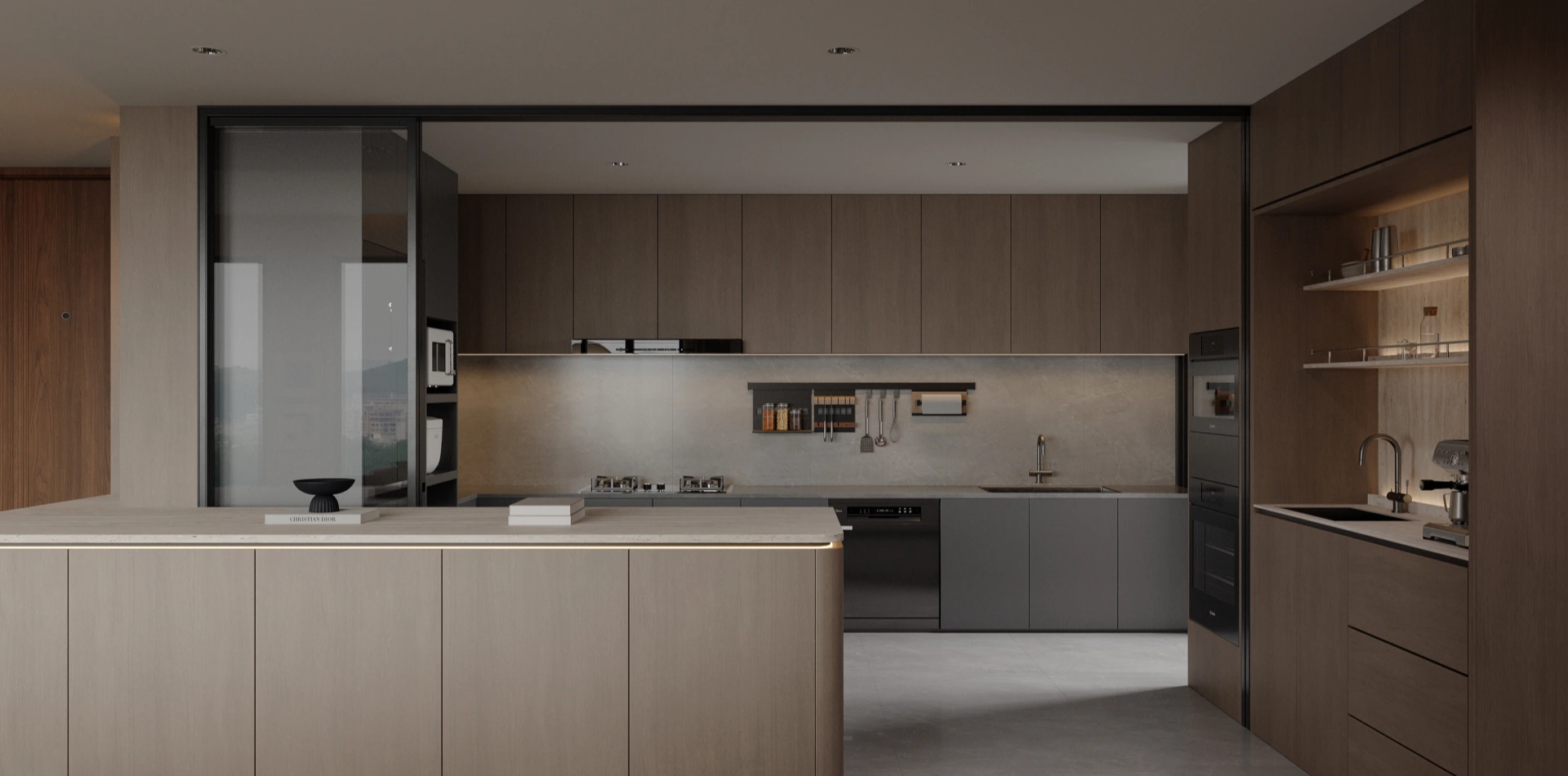
Low-VOC Adhesives Glues: Revolutionizing Eco-Friendly Furniture in Singapore
For homeowners in Singapore, selecting appropriate materials is particularly important because of the tropical climate and the amount of time families spend indoors. Low-VOC adhesives and low-emission boards can be useful considerations when designing a more comfortable living environment.
At MRETTY, material selection forms part of our approach to premium custom cabinetry and bespoke kitchen solutions. We help homeowners consider appearance, practicality, craftsmanship and material specifications together.
Key Takeaways
- Low-VOC adhesives may help reduce certain chemical emissions, but they should not automatically be described as completely non-toxic.
- Cabinet panels, adhesives, coatings and edge banding all contribute to the overall material specification.
- Singapore’s humid conditions make moisture management and installation quality important considerations.
- Homeowners should request relevant product information and test documentation before selecting materials.
- Thoughtful material selection can support both functional and aesthetic goals in custom cabinetry.
What Are Low-VOC Adhesives?
Volatile organic compounds (VOCs) are chemicals that can be released into the air from various building and furnishing materials. Some adhesives, coatings and manufactured wood products may contribute to indoor VOC levels.
Low-VOC adhesives are formulated to limit certain volatile emissions compared with products that have higher emission levels. However, the term does not necessarily mean that an adhesive is entirely free from emissions or suitable for every application.
When reviewing cabinetry materials, homeowners should consider the adhesive’s intended use, available emissions testing, compatibility with the substrate and suitability for the installation environment.
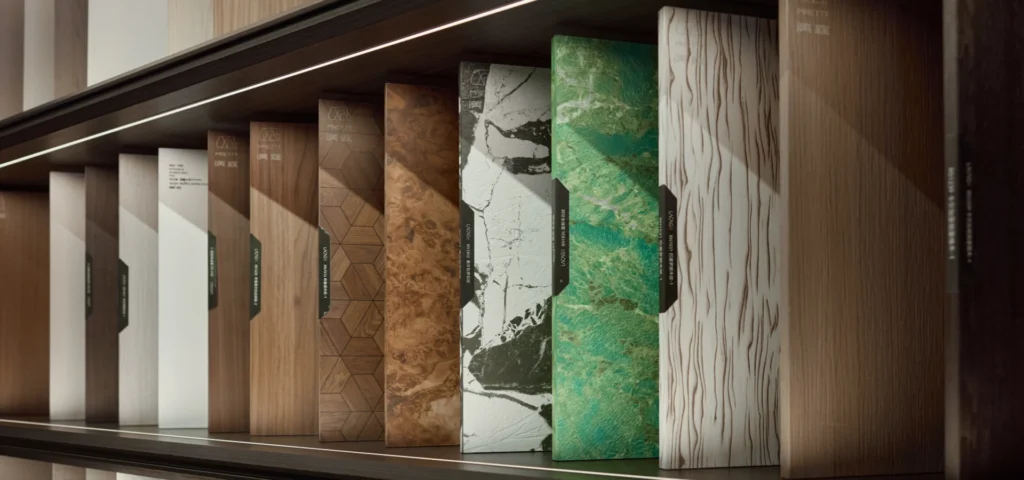
Why Adhesive and Panel Selection Matters for Singapore Homes
Indoor Air Quality
Cabinets and built-in furniture occupy substantial areas of many homes. Selecting materials with documented low-emission characteristics can be one part of a broader approach to indoor air quality.
Ventilation, finishing products, installation conditions and other furnishings can also affect indoor air quality. No single adhesive or panel specification can guarantee a completely emission-free interior.
Humidity and Moisture Exposure
Singapore’s warm, humid climate can affect cabinetry materials, particularly in kitchens, bathrooms and areas exposed to water.
Appropriate substrates, well-finished edges, suitable adhesives and careful installation may help manage moisture-related issues. However, performance depends on the complete cabinet construction and how the space is used and maintained.
Long-Term Functionality
Adhesives play a supporting role in cabinet assembly, surface bonding and edge finishing. Selecting products appropriate for the intended application can contribute to the performance of the finished cabinetry.
Homeowners can also explore MRETTY’s approach to sustainable craftsmanship and material selection, including considerations around low-emission boards, finishes and repairability.
Common Adhesive Options Used in Cabinetry
Water-Based Adhesives
Water-based adhesives are used in selected woodworking and furniture applications. Depending on their formulation, they may offer lower solvent emissions than some solvent-based alternatives.
Their suitability depends on bonding requirements, drying conditions and the materials being joined.
Polyurethane Adhesives
Polyurethane adhesives are used in certain woodworking, lamination and edge-banding applications. Some formulations offer useful moisture resistance and bonding performance.
Because polyurethane products vary considerably, homeowners and designers should review the manufacturer’s specifications rather than assuming that all formulations have the same environmental or performance characteristics.
Bio-Based Adhesives
Some adhesive technologies incorporate renewable raw materials, including plant-derived ingredients. These formulations may support specific material sourcing goals, depending on their composition and manufacturing process.
Bio-based does not automatically mean low-emission, biodegradable or safer for indoor use. Relevant testing and product documentation remain important.
How to Choose Materials for Custom Kitchen Cabinets
A well-designed kitchen requires more than an attractive cabinet finish. Homeowners should consider the full material specification and how the cabinetry will perform during everyday use.
Cabinet Boards and Emission Grades
Engineered wood panels are available in different compositions and emission classifications. Some manufacturers provide E0, ENF or other low-emission material options.
These classifications should be interpreted according to their applicable testing standards. A low formaldehyde emission rating does not mean that a panel contains no formaldehyde or releases no other substances.
Edge Banding and Surface Finishes
Edge banding covers exposed panel edges and contributes to the appearance and practical performance of cabinetry. Its effectiveness depends on the material, adhesive, application quality and operating conditions.
Surface finishes should also be selected according to cleaning requirements, appearance, durability and available emissions information.
Kitchen Layout and Daily Use
Material selection should reflect how the kitchen is used. Cabinets near sinks, cooking areas and frequently cleaned surfaces may have different requirements from those in dry storage areas.
For more design considerations, explore MRETTY’s luxury kitchen cabinetry solutions, which cover layouts, cabinet materials, finishes and functional storage.
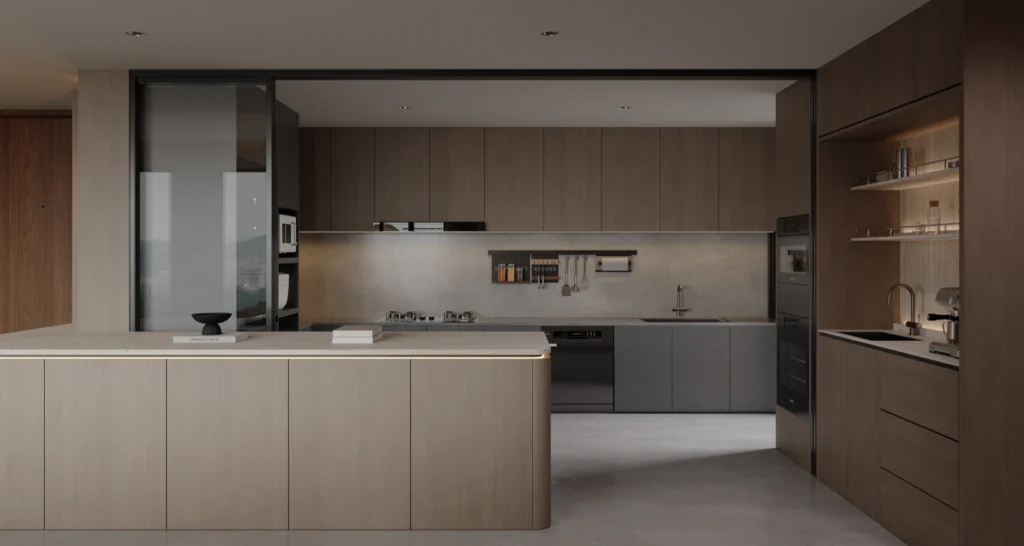
MRETTY’s Approach to Material Selection and Custom Cabinetry
MRETTY provides premium custom cabinetry and whole-home design solutions for Singapore residences, including condos, landed homes and HDB flats.
Our project approach brings together material selection, design planning, manufacturing and installation, with attention to both visual consistency and everyday functionality.
Understanding Homeowner Requirements
Each project begins with a discussion of the homeowner’s lifestyle, design preferences, storage needs and material priorities. Families concerned about indoor emissions can raise these requirements during the consultation stage.
Reviewing Materials and Finishes
Material options can be assessed according to their intended application, appearance, available specifications and maintenance requirements. Where relevant, homeowners should request documentation for particular products or emission classifications.
Coordinating Design and Production
Detailed measurements and design drawings help translate the agreed cabinetry concept into a production plan. Material choices, finishes, hardware and construction details are considered together to support a coordinated result.
Installation and Aftercare
Professional installation includes fitting and adjusting cabinet components and reviewing the completed work. Appropriate cleaning, ventilation and maintenance practices also play a role in long-term performance.
Homeowners interested in the wider process can read about MRETTY’s bespoke kitchen design process, from initial planning through material selection and installation.
What Should Homeowners Ask Before Choosing Cabinetry Materials?
Before confirming a custom cabinetry project, consider discussing the following questions with your designer or supplier:
- What types of boards and adhesives are proposed for the project?
- Are low-emission material options available?
- Can the supplier provide relevant material specifications or test reports?
- Which materials are suitable for moisture-prone areas?
- How will exposed edges and joints be finished?
- What maintenance is recommended after installation?
Clear answers can help homeowners make informed decisions rather than relying solely on broad marketing terms such as “eco-friendly” or “non-toxic.”
Frequently Asked Questions
Are low-VOC adhesives completely non-toxic?
Not necessarily. Low-VOC generally refers to reduced levels of certain volatile emissions under specified conditions. It does not guarantee that a product is free from all potentially harmful substances. Review the manufacturer’s documentation for the specific product.
Are ENF-grade boards formaldehyde-free?
No. ENF is a low formaldehyde emission classification under a particular testing standard. It should not be interpreted as proof of zero formaldehyde content or zero emissions.
What cabinetry materials are suitable for Singapore’s humid climate?
Material suitability depends on the location and intended use. Moisture-resistant substrates, appropriate edge finishes, suitable adhesives and proper installation can help address humidity-related concerns. Kitchens and bathrooms may require additional attention to water exposure.
Can MRETTY help homeowners select low-emission materials for custom cabinetry?
MRETTY can discuss material preferences as part of the custom cabinetry design process. Homeowners should confirm the specifications and available documentation for the materials proposed in their individual project.
Creating a More Considered Home with MRETTY
Choosing materials for a new home involves balancing appearance, functionality, maintenance and environmental considerations. Low-VOC adhesives and low-emission panels can be useful parts of that decision, but they should be evaluated alongside the complete cabinetry system.
MRETTY works with Singapore homeowners to develop bespoke kitchens and custom cabinetry that reflect their spaces, preferences and practical needs.
Explore our completed cabinetry and interior design projects for inspiration, or contact our team to discuss material options and design requirements for your home.
Ready to plan your custom cabinetry project? Discuss Your Project with MRETTY.