
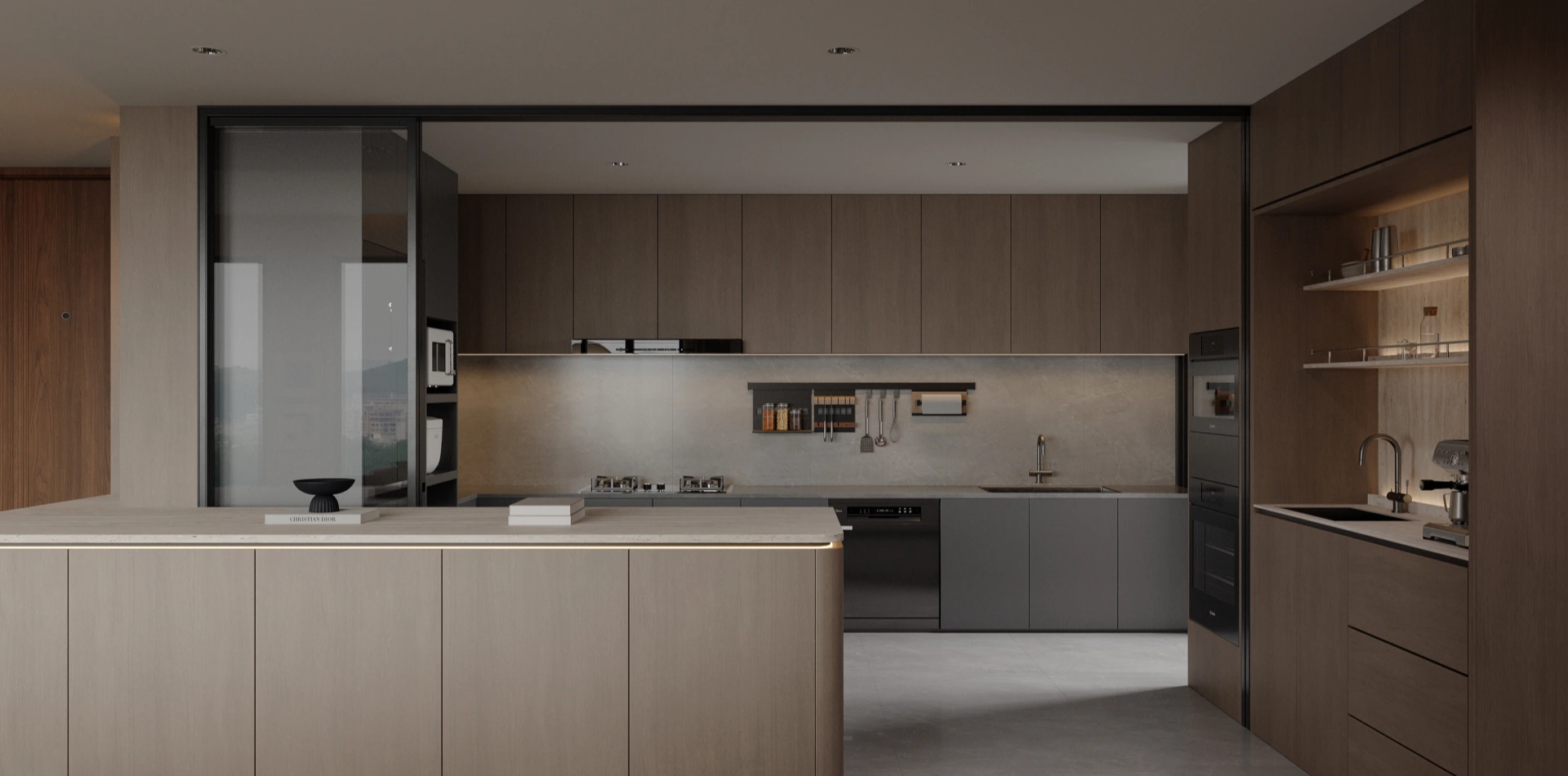
How Is MRETTY Raising the Standard of Italian Bespoke Cabinetry in Singapore?
MRETTY brings this design-led approach to Singapore homes through customised cabinetry and whole-home interior solutions. Rather than focusing only on individual cabinet units, the emphasis is on coordinating materials, finishes, proportions, storage requirements, and architectural details across different rooms. This article explores what defines Italian-inspired bespoke cabinetry, how to choose the right cabinet solutions, and how MRETTY approaches custom home design in Singapore.
Content Summary
- Italian-inspired bespoke cabinetry combines refined aesthetics, functional planning, material selection, and precise detailing.
- Choosing cabinets requires more than comparing appearance or price. Homeowners should consider internal construction, finishes, hardware, storage needs, and installation quality.
- Custom cabinetry allows kitchens, wardrobes, living areas, and other spaces to share a consistent design language.
- MRETTY focuses on customised home cabinetry that responds to the layout, lifestyle, and design preferences of Singapore homeowners.
Table of Contents
- What Defines Italian Bespoke Cabinetry?
- The Design Principles Behind Italian-Inspired Cabinetry
- How to Select Kitchen Cabinets for Your Home
- What Are IKEA Cabinets Made Of?
- What Kitchen Cabinets Are in Style?
- What to Look for in a Cabinet Company
- How MRETTY Approaches Bespoke Cabinetry in Singapore
- Conclusion
- Frequently Asked Questions
What Defines Italian Bespoke Cabinetry?
Italian bespoke cabinetry refers to customised cabinet design influenced by Italian design principles, where visual balance, material expression, craftsmanship, and practical use are considered together. The word “bespoke” is important: instead of selecting only from fixed standard sizes and finishes, homeowners can tailor cabinet dimensions, configurations, surface treatments, and details to suit their interiors.
Italian-inspired cabinetry is not defined by one colour, material, or decorative style. It can be minimalist and architectural, warm and natural, or expressive through distinctive textures and finishes. What connects these approaches is attention to proportion and detail.
Several characteristics commonly distinguish this design direction:
- Clean visual lines: Simple cabinet fronts, balanced proportions, and carefully aligned panels create a calm and cohesive appearance.
- Material coordination: Wood textures, stone surfaces, metal accents, glass, and other finishes are selected to complement the wider interior.
- Integrated storage: Cabinets are designed around daily routines, appliances, room dimensions, and available wall space.
- Attention to detailing: Door gaps, edge treatments, handles, corner joints, and transitions between materials contribute to the final result.
- Personalised proportions: Cabinet heights, depths, and internal layouts can be adjusted to suit the home rather than forcing the home to fit standard units.
It is also worth distinguishing Italian-inspired design from Italian manufacturing origin. A cabinet may draw inspiration from Italian aesthetics without being manufactured in Italy. Homeowners who specifically require Italian-made products should verify the manufacturing location, material specifications, and relevant product documentation with the supplier.
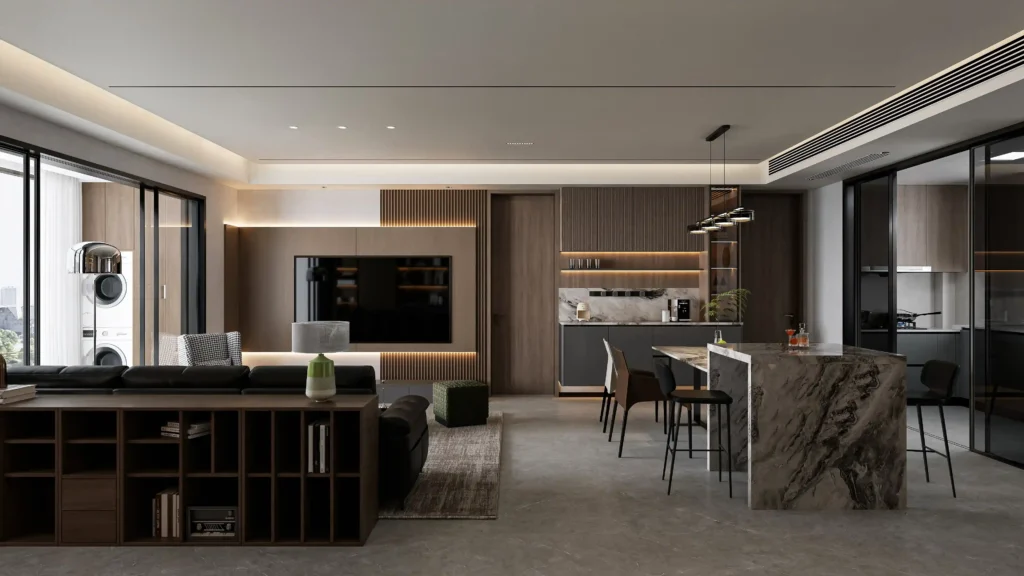
The Design Principles Behind Italian-Inspired Cabinetry
Visual Continuity Across Different Spaces
In a well-planned home, cabinetry should feel connected rather than designed as unrelated pieces of furniture. Repeating selected finishes, colours, proportions, or detailing can create visual continuity between the kitchen, dining area, living room, and bedrooms.
For example, a warm wood finish used in kitchen cabinetry may be echoed in a living room feature wall or bedroom wardrobe. The materials do not need to be identical in every room, but their tones and textures should work together.
Materials That Balance Appearance and Performance
Material selection affects more than the appearance of a cabinet. It influences surface durability, maintenance requirements, moisture resistance, structural stability, and long-term use.
Common cabinetry materials include solid wood, plywood, particleboard, medium-density fibreboard (MDF), and different types of decorative surface finishes. Each has different properties, and the right choice depends on the cabinet’s location, construction, and intended use.
For kitchens and other frequently used areas, homeowners should pay particular attention to the substrate, edge sealing, surface finish, and hardware specifications. A premium-looking door panel alone does not tell the whole story about the quality of the cabinet.
Details That Make Customisation Meaningful
Bespoke design becomes valuable when it solves specific spatial or functional challenges. Full-height cabinets can make better use of vertical space, internal drawers can organise smaller items, and customised corner solutions can improve access to difficult areas.
Other details, such as concealed handles, integrated lighting, rounded corners, coordinated wall panels, and carefully planned appliance housing, can help cabinetry feel more integrated into the architecture of the home.
How to Select Kitchen Cabinets for Your Home
When considering how to select kitchen cabinets, start with the way your household uses the kitchen. A visually attractive cabinet arrangement may still be inconvenient if storage, appliance access, or work surfaces are poorly planned.
Before comparing cabinet designs, consider these five areas.
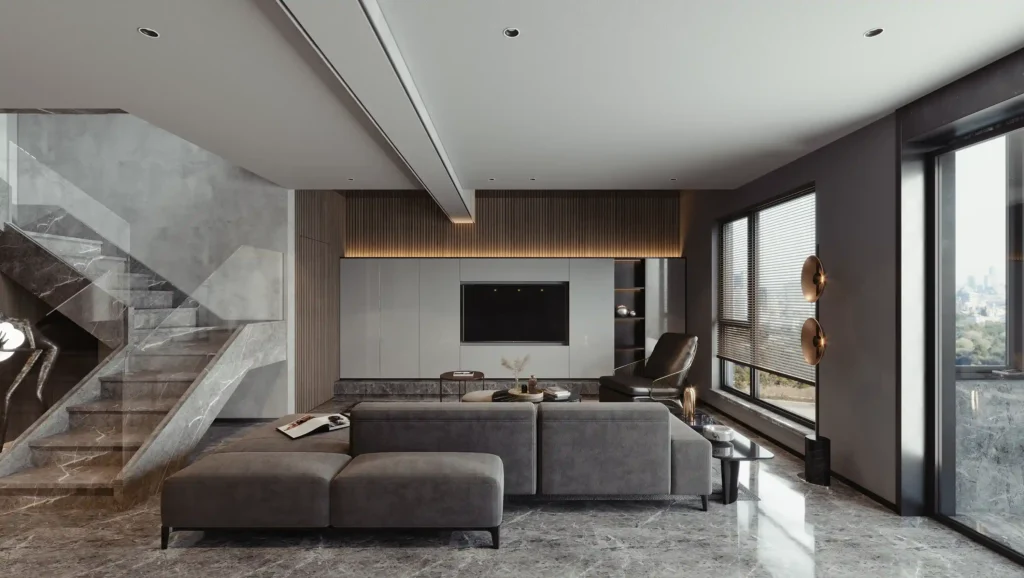
Understand Your Kitchen Layout
Measure the available space and identify the positions of plumbing, electrical points, windows, doors, and major appliances. The kitchen layout will influence cabinet dimensions, storage capacity, and the relationship between preparation, cooking, and cleaning areas.
For Singapore homes, the design may need to respond to a compact HDB kitchen, an open-plan condominium layout, or a larger landed property. Each setting has different spatial opportunities and constraints.
Choose the Right Cabinet Construction
Ask what material is used for the cabinet carcass, doors, shelves, and backing panels. Do not assume that every component uses the same substrate. Request specifications that identify the material type, thickness, surface finish, and relevant performance characteristics.
For areas exposed to moisture, ask how the cabinet is protected and what maintenance is recommended. No wood-based panel should be treated as completely waterproof simply because it has a decorative surface finish.
Compare Door Finishes and Colours
Cabinet doors have a significant influence on the kitchen’s overall appearance. Options may include melamine finishes, laminates, veneers, lacquered surfaces, and solid wood, depending on the design and supplier’s capabilities.
When selecting a finish, consider how it interacts with countertops, flooring, wall surfaces, lighting, and nearby furniture. It is useful to review physical samples under lighting conditions similar to those in your home.
Evaluate Hardware and Internal Storage
Hinges, drawer runners, lift-up systems, and other fittings influence how cabinets perform during everyday use. Check the operation, load requirements, adjustment options, and availability of replacement components.
Inside the cabinets, consider whether pull-out drawers, cutlery organisers, pantry systems, corner storage, or adjustable shelves would make daily routines easier. Storage should be planned around the items you actually use.
Review Installation and After-Sales Support
Even well-designed cabinets can underperform if installation is inaccurate. Ask how measurements are verified, how uneven walls or floors are handled, how cabinet alignment is checked, and who is responsible for resolving installation issues.
A useful cabinet selection checklist is shown below:
| Selection Factor | What to Check | Why It Matters |
|---|---|---|
| Layout | Dimensions, appliance positions, access, and workflow | Improves usability and space planning |
| Core materials | Substrate type, thickness, and construction | Helps assess structural suitability |
| Surface finish | Texture, colour, edge treatment, and maintenance | Influences appearance and daily care |
| Hardware | Hinges, runners, opening systems, and load capacity | Affects operation and convenience |
| Installation | Measurement, alignment, finishing, and workmanship | Supports a consistent final result |
| Service | Warranty terms, maintenance, and support arrangements | Clarifies responsibilities after installation |
What Are IKEA Cabinets Made Of?
Homeowners comparing customised cabinetry with ready-made or modular systems often ask, what are IKEA cabinets made of? The answer depends on the specific product range and component. IKEA uses different wood-based materials and construction methods across its furniture and kitchen products.
Common materials used in furniture and cabinetry include:
- Particleboard: Made from wood particles bonded with adhesive under pressure. It is commonly used in furniture panels and can be covered with a decorative finish.
- Fibreboard: Produced from wood fibres. MDF is one type and is often used where a smooth, consistent surface is required.
- Solid wood: Used in selected components and products where natural wood characteristics are part of the design.
- Decorative laminates and foils: Applied to panel surfaces to provide colour, texture, and a finished appearance.
These materials are not exclusive to IKEA. Many cabinetry manufacturers use similar material categories, although specifications, grades, thicknesses, construction methods, and finishes can vary considerably.
IKEA’s own wood and forest materials information provides an overview of its approach to wood-based materials. For a specific kitchen system, homeowners should check the official product information for the exact components rather than assuming every cabinet uses the same material.
When comparing a modular kitchen system with Italian bespoke cabinetry, the question should not simply be whether one material is better than another. Consider the complete specification: panel construction, finish, dimensions, internal configuration, hardware, customisation options, and installation requirements.
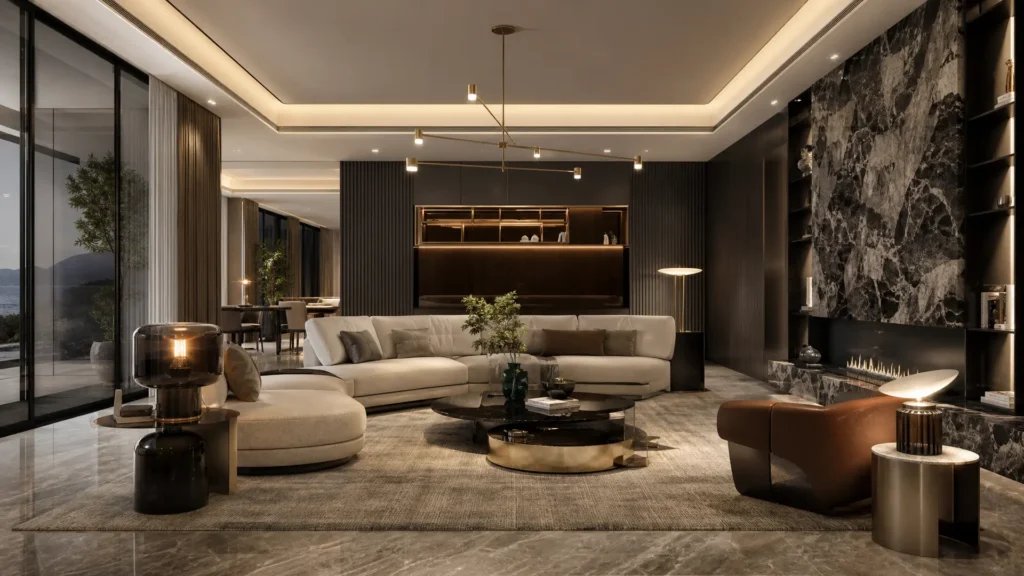
What Kitchen Cabinets Are in Style?
For homeowners asking what kitchen cabinets are in style, current design preferences offer several directions. However, a cabinet style should be selected according to the home’s architecture and the homeowner’s long-term preferences, rather than short-lived trends alone.
Warm Natural Wood Finishes
Natural-looking wood finishes bring warmth and texture to contemporary kitchens. Oak-inspired tones, walnut shades, and other wood effects can complement stone countertops, neutral walls, and understated metal details.
Minimalist Handleless Cabinets
Handleless cabinet fronts create a streamlined appearance by reducing visible hardware. Integrated pulls, recessed profiles, and push-to-open systems can all contribute to this look, depending on the cabinet design and user preferences.
Soft Neutral Colour Palettes
Warm white, beige, taupe, greige, and muted earth tones remain versatile choices for residential interiors. These colours can make a kitchen feel calm without relying on strong decorative elements.
Textured and Mixed Materials
Combining wood, stone, metal, glass, and textured finishes adds depth to a kitchen. The key is to establish a clear material hierarchy so that each element contributes to the overall composition rather than competing for attention.
Integrated Cabinet and Wall Designs
Cabinetry that extends into wall panels or surrounding architectural features can create a more continuous interior. This approach is especially useful when homeowners want storage to feel like part of the room’s design instead of a collection of separate furniture units.
For more ideas on coordinated residential interiors, explore MRETTY’s luxury condo renovation solutions in Singapore.
What to Look for in a Cabinet Company
Choosing a cabinet company is not only about comparing quotations or browsing attractive project photographs. The supplier should be able to explain how the design, materials, production, and installation process will work for your particular home.
Before making a decision, consider the following questions:
- Can the company understand your requirements? It should ask about your household routines, storage needs, design preferences, and property layout before proposing a solution.
- Are material specifications transparent? Ask for details about cabinet substrates, finishes, hardware, and construction methods.
- Can it customise dimensions and details? Bespoke work should respond to the actual space rather than relying entirely on standard modules.
- Does it show relevant project experience? Review completed projects that demonstrate comparable design styles, property types, and cabinetry requirements.
- Is installation properly planned? Clarify site measurement, coordination, delivery, installation, and quality checks.
- Are quotations and responsibilities clear? Confirm what is included, what is excluded, the expected timeline, payment arrangements, and after-sales terms.
For HDB homeowners, renovation planning should also account for applicable rules and approval requirements. The official HDB renovation guide explains important considerations when engaging renovation professionals and planning works in an HDB flat. Homeowners should verify current requirements before starting any renovation.
For broader kitchen planning considerations, the National Kitchen & Bath Association (NKBA) planning guidelines cover topics such as clearances, functional storage, cabinetry, accessibility, lighting, and kitchen equipment. These resources can help homeowners prepare more informed questions before finalising a design.
How MRETTY Approaches Bespoke Cabinetry in Singapore
MRETTY approaches residential cabinetry as part of a larger interior design system. The goal is to create spaces in which storage, materials, proportions, and decorative elements work together. This is particularly relevant for homeowners who want a consistent design direction across multiple rooms rather than purchasing cabinets one area at a time.
Customised Solutions for Different Property Types
Different Singapore properties require different design responses. An HDB flat may need carefully planned storage within a compact footprint. A condominium may benefit from integrated cabinetry that supports an open-plan living arrangement. A landed property may offer more flexibility for full-height storage, feature walls, and coordinated cabinetry across larger spaces.
MRETTY considers the property’s layout and the homeowner’s requirements when developing customised solutions. Explore the MRETTY premium custom home design and cabinetry service in Singapore to learn more about its approach.
Whole-Home Design Coordination
A kitchen should not feel disconnected from the dining room or living area. MRETTY’s whole-home approach considers how cabinetry in different spaces can share complementary finishes, colours, and design details.
Depending on the project, this may include kitchen cabinets, wardrobes, bedroom storage, living room cabinetry, feature walls, interior doors, and other customised elements. Coordinating these components helps establish a consistent visual language throughout the home.
Attention to Materials, Finishes, and Craft Details
Material selection is considered alongside cabinet design and daily use. Homeowners can evaluate different surface finishes, textures, colours, hardware options, and construction details according to their project requirements.
Rather than treating premium design as a matter of decoration alone, the process considers how the cabinet is constructed, how its components meet, how doors and drawers operate, and how the finished installation relates to surrounding walls and surfaces.
A Design Process That Starts with Real Requirements
Good bespoke cabinetry begins with understanding the people who will use it. Storage habits, cooking routines, appliance dimensions, preferred finishes, maintenance expectations, and budget all influence the final design.
Homeowners can also visit the MRETTY showroom in Singapore to explore design ideas and discuss material and finish options in person. Seeing samples and discussing practical details can make it easier to evaluate how different choices may work in an actual home.
Design Experience Across Different Markets
Residential design requirements vary between cities, property types, and lifestyles. MRETTY also presents its customised home design and cabinetry offering for other markets, including its premium custom home design and cabinetry service in Hong Kong.
While each project should respond to its own local context, the underlying design considerations remain important: understand the space, select suitable materials, plan functional storage, and coordinate the details that bring the interior together.
Conclusion: Bespoke Cabinetry Should Work as Well as It Looks
Italian-inspired cabinetry is appealing because it brings together refined aesthetics, thoughtful proportions, material coordination, and practical functionality. But choosing the right solution involves more than selecting a fashionable door finish or a premium-looking surface. Construction, hardware, storage planning, installation, and long-term maintenance all deserve attention.
For Singapore homeowners considering Italian bespoke cabinetry, MRETTY offers a design-led approach to customised cabinetry and whole-home interiors. By considering the requirements of each property and coordinating cabinetry across different spaces, the aim is to create a home that feels cohesive, personal, and practical for everyday living.
Planning a customised home in Singapore? Contact MRETTY to discuss your property, design preferences, and cabinetry requirements. Visit the MRETTY contact page to start a conversation about your project.
Frequently Asked Questions
What is Italian bespoke cabinetry?
Italian bespoke cabinetry refers to customised cabinetry influenced by Italian design principles, such as clean lines, balanced proportions, coordinated materials, and attention to detail. It can be tailored to a home’s dimensions, storage requirements, and interior style. Italian-inspired design does not automatically mean the cabinets are manufactured in Italy, so buyers should verify product origin when that is important to them.
How do I select kitchen cabinets for a Singapore home?
Start with the kitchen layout, storage requirements, appliance positions, and available space. Then compare cabinet construction, surface finishes, hardware, installation quality, and maintenance requirements. HDB flats, condominiums, and landed properties may require different design solutions.
What are IKEA cabinets made of?
The materials depend on the specific IKEA product and component. IKEA uses various wood-based materials, including particleboard and fibreboard, alongside selected solid wood components and decorative surface finishes. Always check the official product specifications for the exact kitchen system you are considering.
What kitchen cabinet styles are popular?
Popular design directions include warm natural wood finishes, minimalist handleless fronts, soft neutral colours, mixed materials, and cabinetry integrated with wall panels. The most suitable style depends on the home’s architecture, lighting, lifestyle, and long-term preferences.
Is bespoke cabinetry better than modular cabinetry?
Neither option is automatically better for every homeowner. Modular cabinetry can be practical when standard dimensions and configurations meet the requirements. Bespoke cabinetry offers more flexibility in dimensions, finishes, storage layouts, and design coordination, which can be useful for unusual layouts or whole-home customisation.
What should I ask a cabinet company before signing a contract?
Ask for a detailed quotation, material and hardware specifications, drawings, installation scope, project timeline, warranty terms, and after-sales arrangements. You should also clarify how site measurements, design revisions, and any additional work will be handled.
Can MRETTY provide whole-home custom cabinetry in Singapore?
MRETTY provides customised home design and cabinetry solutions for Singapore homeowners. Its approach considers cabinetry across different areas of the home, helping coordinate storage, finishes, and design details according to the property’s layout and the homeowner’s requirements.