
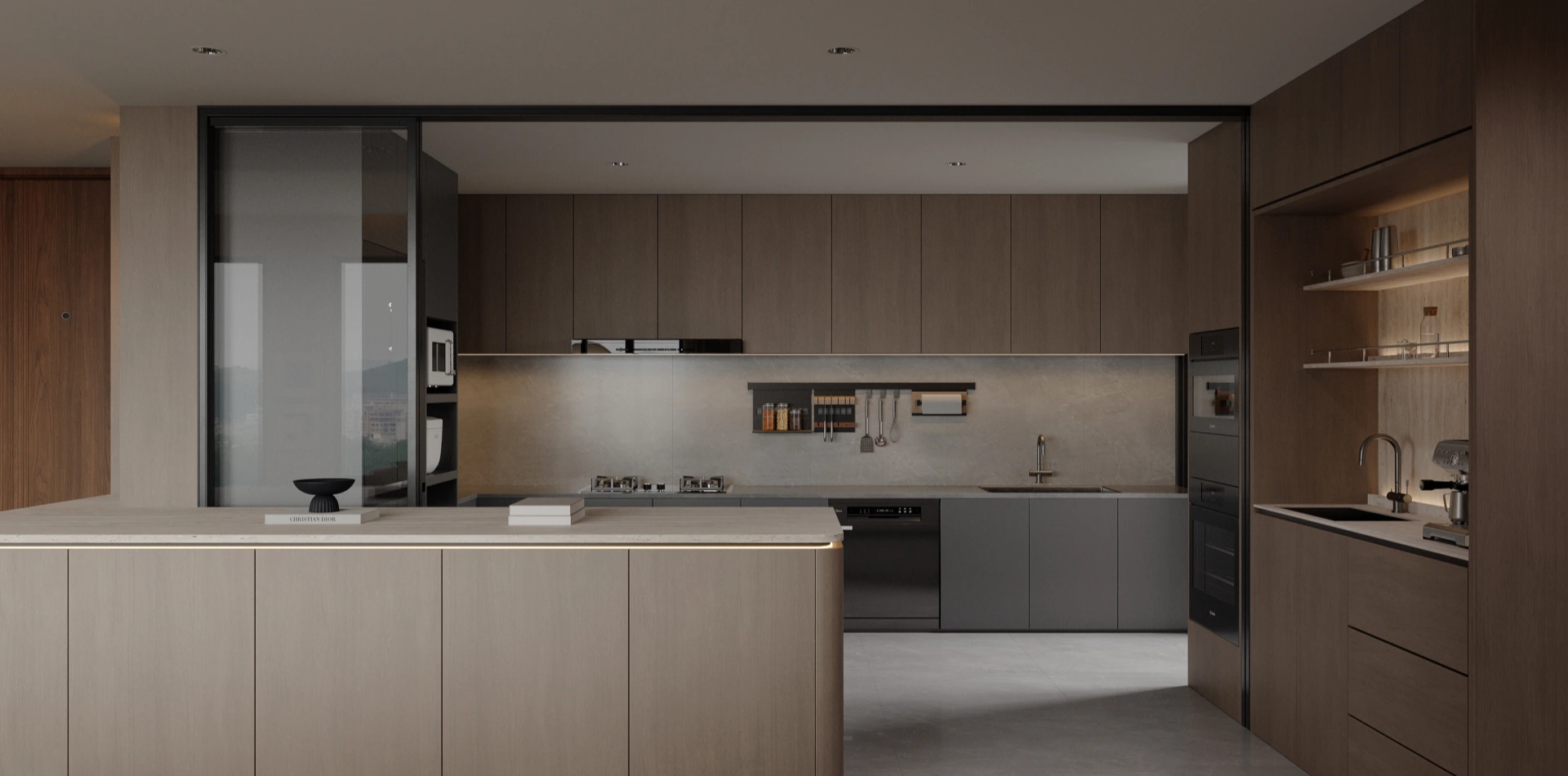
Eco-Friendly Home Renovation Materials in Singapore
Choosing materials is an important part of planning a home renovation. The right options should suit your household’s needs, fit the space, and be appropriate for Singapore’s warm, humid climate. Material composition, emissions testing, moisture resistance, maintenance requirements and product documentation are all worth reviewing before making a decision.
Eco-friendly home renovation materials can help reduce environmental impact and support better indoor air quality when selected carefully. However, no single material is suitable for every application. Performance depends on the product specification, installation quality, ventilation and how the space is used.
MRETTY provides whole-home customization services, including kitchen cabinets, wardrobes, bathroom cabinets, study bookcases, kitchen islands, sideboards, shoe cabinets, wooden wall panels and interior doors. This guide explains what to consider when selecting materials for a renovation in Singapore.
Core Materials for Custom Cabinetry
Cabinet boards affect structural performance, appearance and maintenance. When comparing options, review the board type, thickness, emissions documentation, intended use and the manufacturer’s installation recommendations.
Formaldehyde Emissions and Board Selection
Rather than relying on a broad label such as “eco-friendly,” ask suppliers for the specific board specification and supporting test reports. Terms such as E0 and E1 are used in some markets to describe formaldehyde-emission classifications, but their definitions and testing requirements can vary. Check which standard and test method apply to the product you are considering.
Low-emission materials can be one part of an indoor-air-quality plan. Ventilation, adhesives, paints, flooring and other furnishings can also affect indoor air quality, so it is best to assess the renovation as a whole.
Moisture Resistance
Singapore’s humid climate makes moisture resistance an important consideration, particularly in kitchens, bathrooms and areas close to windows or plumbing. Different boards and finishes perform differently, and moisture-resistant does not mean waterproof. Ask which applications the material is designed for and follow the supplier’s guidance on sealing, edge protection, cleaning and maintenance.
For tailored storage and cabinetry options, explore MRETTY’s custom kitchen solutions.
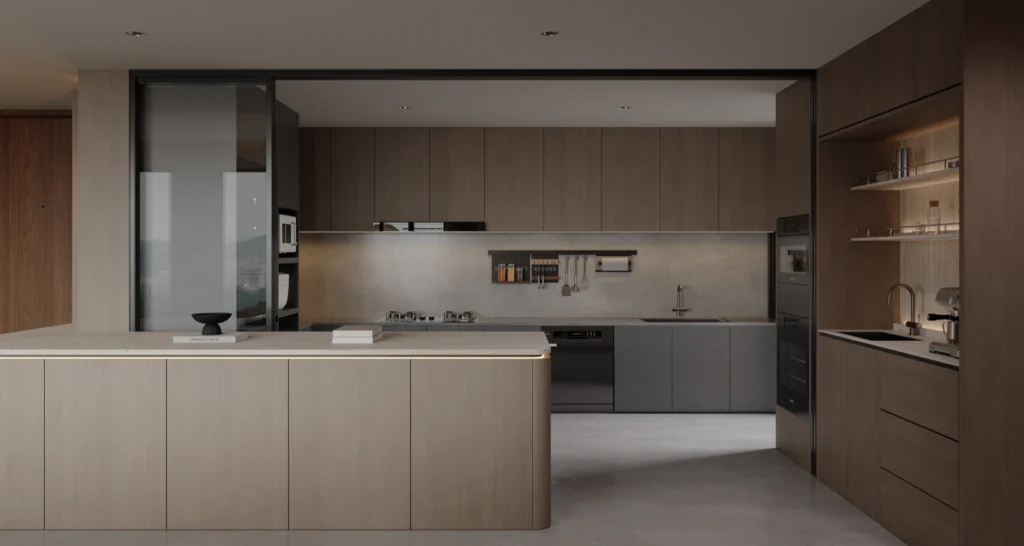
Finishes and Surface Materials
Cabinet finishes influence the look of a room, as well as cleaning and maintenance. When comparing products, review the finish specification, care instructions and available information about volatile organic compounds (VOCs).
High-Pressure Laminate (HPL)
High-pressure laminate (HPL) is available in a wide range of colours, patterns and textures, including designs inspired by wood and stone. It is commonly used on cabinetry and other interior surfaces. Its resistance to scratches, heat, stains and moisture depends on the product and installation, so check the manufacturer’s technical information before choosing it for a particular application.
Lacquered Finishes
Lacquered cabinet fronts can create a smooth, consistent appearance and are available in different colours and sheen levels. Paint and coating formulations vary, so ask for product-specific VOC information where this is a priority. Proper application, curing and ventilation during installation also matter. Follow the supplier’s cleaning and maintenance recommendations to preserve the finish.
Surfaces for Kitchen Islands and Sideboards
Kitchen islands and sideboards are used in different ways, from food preparation to everyday storage. Select a surface based on its intended use, cleaning requirements, resistance to heat and stains, and compatibility with the cabinet structure beneath it.
Choosing a Worktop or Solid Surface
Engineered and solid-surface materials come in different compositions and performance grades. Before choosing a worktop, check the manufacturer’s guidance on heat, impact, scratches, stains and repairs. Use chopping boards and heat-resistant mats where recommended, and avoid assuming that any surface is resistant to every type of damage.
Edge Banding and Adhesives
Edge banding covers exposed board edges and can help protect them from everyday wear and moisture. The result depends on the board, edge material, adhesive, manufacturing process and quality of application. In wet or humid areas, good detailing and prompt attention to leaks are important for protecting cabinetry over time.
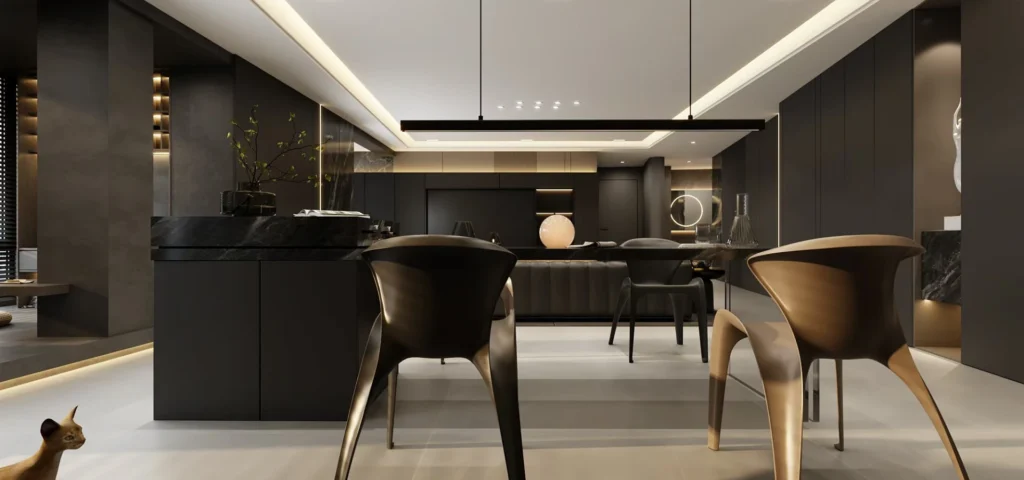
Wooden Wall Panels and Interior Doors
Wall panels and interior doors can be coordinated with cabinetry to create a consistent interior scheme. When selecting these elements, consider the substrate, surface finish, cleaning requirements, installation method and the room’s ventilation and moisture conditions.
Wooden Wall Panels
Wooden wall panels add texture and visual depth to an interior. Their acoustic performance varies by construction and installation; decorative panels should not automatically be treated as acoustic insulation. If sound absorption is a project requirement, request tested acoustic data for the proposed system.
Custom Interior Doors
Interior doors can be matched to wardrobes, wall panels and other cabinetry for a coordinated look. Sound reduction depends on factors such as the door’s construction, seals, frame and installation. Confirm the required performance and available specifications with the supplier.
Making Better Use of Space with Wardrobes and Bookcases
Storage designed around the room layout can make everyday spaces easier to organize. Before finalizing a design, consider how you use the room, what needs to be stored, and how much clearance is required for doors, drawers and walkways.
Bedroom Wardrobes and Walk-In Closets
Custom wardrobes can be planned around hanging space, drawers, shelves and accessories that suit your storage needs. Material selection should take into account the room’s humidity, ventilation, cleaning routine and the manufacturer’s care guidance. See MRETTY’s wardrobe design options for ideas on organizing bedroom storage.
Study Bookcases
Study bookcases can combine open shelving with closed storage for books, work materials and display items. Shelf spans, board thickness and support details should be selected according to the expected load. Adjustable shelves can make the storage more flexible as needs change.
Bathroom Cabinets and Vanities
Bathrooms need careful material and layout choices because cabinetry may be exposed to splashes, steam and cleaning products. Confirm that the selected materials and fittings are suitable for the intended location, and make sure plumbing access and ventilation are considered in the design.
Floating Bathroom Vanities
A floating vanity can leave more visible floor area and make cleaning underneath easier. Drawer layouts can be adapted around plumbing, but the final configuration depends on pipe locations and available space. Secure mounting and suitable moisture protection are essential.
Integrated Storage
Internal dividers and drawers can help organize toiletries, towels and daily essentials. Choose inserts and fittings that are easy to clean and appropriate for the moisture conditions in the room.
For ideas on coordinating bedroom and home storage, you can also view MRETTY’s bedroom design page.
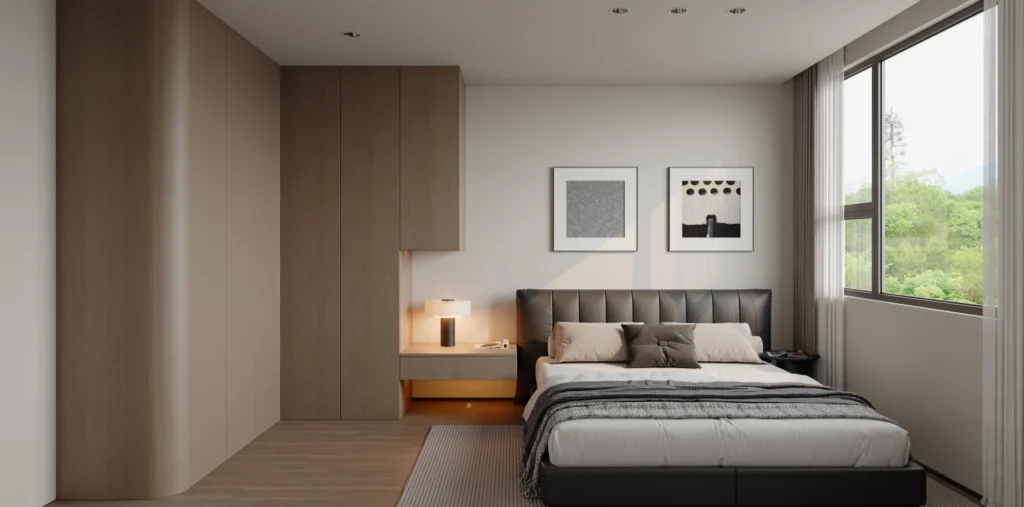
Convenient Features for Custom Cabinets
Practical features can make cabinetry easier to use without changing the overall design. Plan electrical access, ventilation and hardware early so they can be integrated safely and neatly.
Concealed Charging
Charging drawers and concealed power points can reduce visible cable clutter. Their placement should account for electrical safety, ventilation and access to outlets. Use suitable components and have electrical work carried out by a qualified professional where required.
Push-to-Open and Soft-Close Hardware
Push-to-open mechanisms can create a handleless look, while soft-close fittings can reduce the noise of closing doors and drawers. Performance depends on the hardware selected, the cabinet design and correct installation. Check the load rating and maintenance requirements for the chosen system.
Environmental Labels and Product Documentation
Certifications and test reports can help you compare materials, but they do not all assess the same characteristics. Check the issuing organization, applicable product category, scope, validity and test standard rather than relying on a logo or general claim alone.
Singapore Green Label
The Singapore Green Label is an environmental labelling scheme administered by the Singapore Environment Council. If a supplier states that a product is certified, verify that the exact product and category are covered by a current listing. Do not assume that every material from a manufacturer carries the label.
FSC Certification
The Forest Stewardship Council (FSC) certification system relates to responsible forest management and the sourcing or chain of custody of forest-based materials. If responsible wood sourcing is important to your project, ask for the relevant certificate details and confirm which products or materials are covered.
Related Custom Solutions
- Custom kitchen cabinets: Compare layouts, finishes and storage options for your kitchen.
- Wardrobes and walk-in closets: Plan hanging space, shelves and drawers around your needs.
- Entryway shoe cabinets: Make use of limited entrance space with organized storage.
- Living room sideboards: Add concealed storage and coordinate finishes with the wider interior.
Frequently Asked Questions
How can I compare the environmental performance of renovation materials?
Ask for product specifications, relevant emissions test reports and details of any environmental certification. Check the standard and product scope, and compare materials intended for the same application.
What should I consider when choosing materials for kitchens and bathrooms?
Consider moisture exposure, edge protection, cleaning products, ventilation and the manufacturer’s recommended applications. Moisture-resistant materials still need suitable installation and protection from leaks or prolonged water exposure.
Can I customize the internal layout of a wardrobe?
In many cases, shelves, drawers, hanging sections and accessories can be arranged to suit your storage needs. The final layout depends on the available dimensions, door configuration and practical clearances.
How long does custom cabinetry take to install?
Lead times vary with project size, design complexity, material availability, production scheduling and site conditions. Ask the supplier for a project-specific timeline covering design approval, manufacturing, delivery and installation.
Planning a More Considered Home Renovation in Singapore
Choosing renovation materials involves balancing appearance, practical performance, maintenance and environmental considerations. Request product-specific documentation, compare options for their intended use and confirm how each material should be installed and maintained.
MRETTY offers custom cabinetry and whole-home solutions for different spaces. You can browse the project gallery for examples, then contact the team to discuss your layout, material preferences and project requirements.
Book a free consultation to discuss your renovation plans.