
 Singapore
 China
China
We spend roughly a third of our lives in our bedrooms. It is the first thing we see when we wake up and the last thing we see before we drift off to sleep. Yet, we often overlook the most powerful tool we have to influence our mood and sleep quality: color.
If you have ever walked into a spa and felt your shoulders instantly drop an inch, you have experienced the psychological power of color and design. You don't need a complete renovation to capture that feeling. By choosing the right calming bedroom color schemes, you can transform your HDB flat or condo into a personal sanctuary that melts away the stress of city living.
This guide dives deep into the psychology of color, offers specific palette inspirations, and provides practical advice on how to integrate these hues into a modern, Singaporean home. Whether you are prepping for a new BTO or refreshing your current space, get ready to discover how color can help you sleep better.
The Psychology of Calm: Why Bedroom Color Matters
Before we pick up a paintbrush, we need to understand why certain colors make us feel relaxed while others make us feel anxious or energized.
Color psychology isn't just a buzzword; it is rooted in how our brains process visual stimuli. Different wavelengths of light (colors) trigger different hormonal responses.
The Science of Calming Colors: Blue and Green
Cool colors—blues, greens, and violets—have shorter wavelengths. When the eye sees these colors, the brain releases chemicals that actually slow down our metabolism and lower our heart rate. This is why "feeling blue" isn't always a bad thing when it comes to sleep.
Blue: Often cited as the most relaxing color, blue is associated with the sky and the ocean. Studies show that people sleeping in blue rooms get the best rest.
Green: Sitting right next to blue on the color wheel, green represents nature. It is the easiest color for the human eye to process, reducing eye strain and promoting a sense of restoration.
The Role of Neutral Tones
Neutral tones like beige, gray, and off-white act as a "visual silence." In a world bombarded with notifications and neon signs, a neutral bedroom offers a blank slate for the mind. They don't demand attention, allowing your brain to switch off more easily.
Colors to Avoid in Your Bedroom
Conversely, warm colors like bright reds, oranges, and intense yellows are stimulating. They raise heart rates and encourage activity—great for a gym or a kitchen, but terrible for a room dedicated to rest. If you love these colors, use them sparingly as accents, not as the dominant wall color.
10 Calming Bedroom Color Schemes for a Restful Sanctuary
Here are ten sophisticated, soothing palettes tailored for modern living. These schemes work beautifully in Singapore’s tropical light and compact spaces.
1. The "Coastal Drift" Palette
Colors: Soft Sky Blue + Sandy Beige + Crisp White
This is the classic recipe for relaxation. Think of a quiet morning at East Coast Park. The key here is to keep the blue desaturated—avoid electric blues.
Walls: Paint the walls a pale, airy blue.
Furniture: Use light oak or white-washed wood for bed frames and wardrobes. This maintains the airy feel crucial for smaller bedrooms.
Decor: Layer in beige linen curtains and a white duvet. This scheme reflects natural light well, making small rooms feel larger.
2. The "Urban Zen" Palette
Colors: Warm Greige + Charcoal + Bamboo Wood Tones
For those who prefer a more grounded, minimalist look, this scheme is perfect. It bridges the gap between modern condo aesthetics and natural warmth.
Walls: "Greige" is a mix of gray and beige. It’s warmer than concrete gray but cooler than cream. It feels sophisticated and cozy.
Furniture: Darker wood tones or charcoal upholstered headboards anchor the room.
Decor: Introduce bamboo blinds or a jute rug. The texture is just as important as the color here.
3. The "Botanic Garden" Palette
Colors: Sage Green + Cream + Terracotta Accents
Bring the lush greenery of Singapore indoors without the humidity. Sage green is a muted, greyish-green that acts almost like a neutral.
Walls: A soft sage green feature wall behind the bed creates a focal point that draws the eye and calms the mind.
Furniture: Cream or off-white custom cabinetry keeps the green from feeling too heavy.
Decor: Small pops of terracotta (perhaps in throw pillows or a plant pot) add an earthy warmth that complements the green perfectly.
4. The "Midnight Whisper" Palette
Colors: Navy Blue + Metallic Gold + Grey
Dark colors can be incredibly calming, creating a cocoon-like effect that signals "sleep time" to the brain. This is ideal for those who work shift work or need a darker room to sleep.
Walls: Deep navy blue on all walls creates an immersive experience.
Furniture: To prevent it from feeling like a cave, use furniture with reflective qualities—mirrored surfaces or metallic gold handles on wardrobes.
Decor: Light grey bedding breaks up the darkness and adds sophistication.
5. The "Morning Mist" Palette
Colors: Lilac + Cool Grey + White
Purple is often associated with luxury, but pale lilac is deeply soothing. It has the cooling properties of blue with a touch of warmth from red undertones.
Walls: A very pale lilac paint. It should be subtle enough that it looks grey in dim light.
Furniture: White, high-gloss furniture works well here, adding a modern touch.
Decor: Layer different shades of grey in the throws and rugs to ground the ethereal lilac.
6. The "Scandinavian Earth" Palette
Colors: Taupe + Forest Green + Birch Wood
This palette borrows from Nordic design principles: functionality, simplicity, and connection to nature.
Walls: Taupe (a dark grey-brown) provides a cozy, warm envelope.
Furniture: Light birch wood is essential for the Scandi look. It keeps the room feeling fresh.
Decor: Deep forest green velvet cushions or a throw blanket add depth and luxury without brightness.
7. The "Cloud Cover" Palette
Colors: Off-White + Pale Grey + Slate Blue
If you are afraid of committing to color, this is your safety zone. It’s monochromatic but interesting because of the varying shades.
Walls: Stick to a warm off-white. Avoid stark, clinical whites which can feel too energized.
Furniture: Painted grey furniture blends seamlessly.
Decor: Slate blue accents (lampshades, artwork) provide just enough contrast to keep the eyes interested without overwhelming them.
8. The "Dusty Rose" Palette
Colors: Muted Pink + Dove Grey + Copper
Pink isn't just for nurseries. A dusty, brownish-pink is incredibly sophisticated and warm. It feels like a warm hug at the end of the day.
Walls: A dusty pink feature wall or half-wall wainscoting.
Furniture: Grey upholstery balances the femininity of the pink, making it gender-neutral and modern.
Decor: Copper lighting fixtures add a touch of glamour that pairs beautifully with pink.
9. The "Monochrome Teal" Palette
Colors: Dark Teal + Medium Teal + Light Aqua
Teal combines the stability of blue with the renewal qualities of green. Using different shades of the same color creates a harmonious, cohesive look.
Walls: A medium teal is a safe middle ground.
Furniture: Dark wood or black metal furniture frames this color well.
Decor: Use lighter aqua tones in bedsheets to brighten the space.
10. The "Stone & Pebble" Palette
Colors: Warm Stone + Cool Stone + Black Accents
Nature isn't always green. The colors of river rocks—various shades of grey and brown—are naturally grounding.
Walls: Textured paint or wallpaper that mimics stone in a warm grey tone.
Furniture: Black, sleek furniture provides a modern edge and defines the space.
Decor: Chunky knit blankets in varying grey tones emphasize comfort.
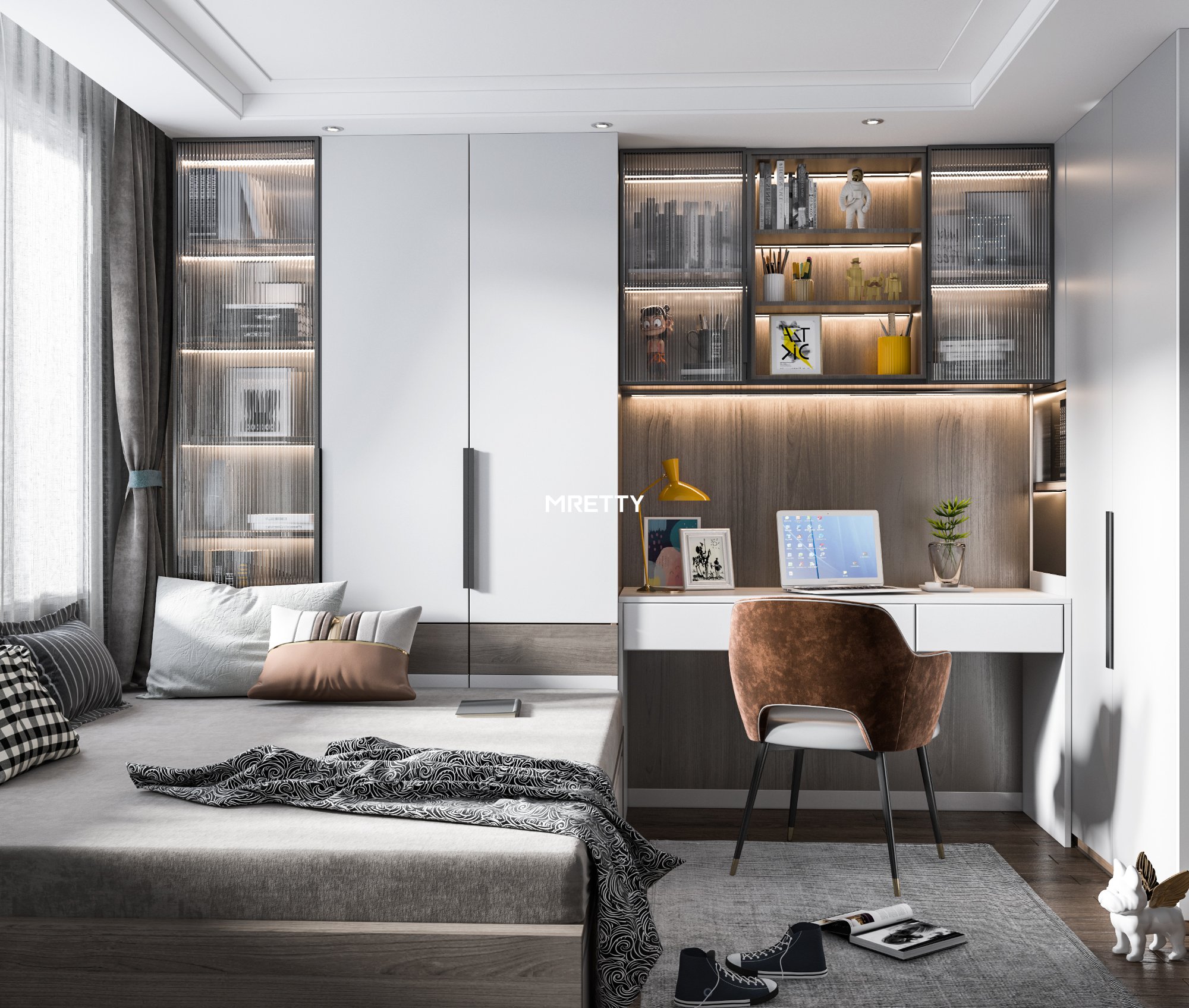
Smart Integration: Lighting and Color in Your Bedroom
A calming color scheme can be ruined by bad lighting. In a smart home, your lighting should work with your paint colors, not against them.
Color Temperature and Bulb Choices
The bulb you choose changes how your paint looks.
Warm White (2700K - 3000K): Enhances warm tones like beige, taupe, and pink. It makes blues look slightly greener. This is best for bedrooms as it mimics sunset light.
Cool White (4000K+): Makes blues and greens look crisp but can make neutrals look clinical. Avoid this for primary bedroom lighting; save it for the vanity or reading nook.
Smart Bulbs and Lighting Scenes
This is where technology serves your sanctuary. With smart bulbs (like Philips Hue or Yeelight), you can program "scenes" that adjust the color of the light throughout the day.
Morning: A brighter, bluer light to help you wake up and see your clothes clearly.
Evening: As you prepare for bed, program the lights to dim and shift to a warm, amber glow. This preserves the calming effect of your wall colors and promotes melatonin production.
Eco-Friendly Materials for a Healthy Sleep Environment
Creating a calm room isn't just about what you see; it's about what you breathe. The "new paint smell" is actually Volatile Organic Compounds (VOCs) off-gassing into your room. These can cause headaches and disrupt sleep—the opposite of calm.
Low-VOC and Zero-VOC Paints
When selecting your calming colors, insist on low-VOC or zero-VOC paints. Major brands in Singapore offer "odour-less" lines that are safer for families, especially those with young children or allergies.
Sustainable Bedroom Textiles
Your color scheme extends to your bedding and curtains. Opt for organic cotton, bamboo, or linen.
Bamboo: Naturally hypoallergenic, cooling (perfect for our climate), and holds dye beautifully. A bamboo sheet set in sage green feels silkier and cooler than cotton.
Linen: Adds texture. A beige linen duvet cover adds to the "Coastal" or "Zen" aesthetic and breathes well.
Customizing Your Bedroom Space: Solving Layout Issues
HDB and condo bedrooms often come with structural quirks—beams, odd corners, or small square footage. Here is how to use calming colors to fix them.
Optimizing Small Bedrooms
If your bedroom feels cramped, light and cool colors are your best friends.
Strategy: Paint the walls and the ceiling the same pale blue or off-white. This blurs the boundary between wall and ceiling, making the room feel taller and more open.
Customization: Built-in wardrobes in the same color as the walls will "disappear," reducing visual clutter.
Designing for Long, Narrow Rooms
Some condo bedrooms are rectangular tunnels.
Strategy: Paint the far short wall a darker shade (like Navy or Forest Green) and the long side walls a lighter shade. The dark color advances visually, making the room feel more square and balanced.
Making Low Ceilings Appear Taller
Strategy: Keep the ceiling white. If you are using a wall color, stop it 10cm from the ceiling and paint that strip white, too. It tricks the eye into thinking the ceiling is higher than it is.
Balancing Furniture and Decor for a Cohesive Look
You have picked your "Morning Mist" or "Urban Zen" palette. Now, how do you furnish it without ruining the vibe?
The 60-30-10 Color Rule
Interior designers swear by this ratio to ensure balance:
60% Dominant Color: This is usually your walls. It sets the tone.
30% Secondary Color: This is your upholstery, curtains, or bed linen. It supports the dominant color but provides contrast.
10% Accent Color: This is for throw pillows, artwork, or a vase. It adds a spark of interest.
Example for "Botanic Garden":
60% Sage Green (Walls)
30% Cream (Wardrobes, Bedding)
10% Terracotta (Cushions, Plant Pot)
Reducing Visual Clutter for Calm
Clutter is the enemy of calm. A calming color scheme cannot hide a messy room.
Custom Storage: This is where full-house customization shines. Floor-to-ceiling wardrobes hide clutter. Design the internal compartments to fit your specific needs—long dresses, drawers for watches, shelves for bags. When everything has a home behind a closed door, your mind can rest.
Hidden Tech: Integrate charging stations inside your bedside drawer. Seeing tangled wires causes subconscious stress.
Implementing Your Dream Bedroom Design: A Step-by-Step Guide
Ready to transform your bedroom? Here is a roadmap to get started.
1. Collect Design Inspiration
Start a digital mood board. Save images that make you feel relaxed. Look for patterns—are you consistently saving blue rooms? Or dark, moody ones? Narrow it down to your top two favorites.
2. Test Paint Colors Thoroughly
Never buy paint based on the chip in the store. The lighting in a hardware store is vastly different from your bedroom.
Buy sample pots.
Paint A4-sized patches on different walls.
- Observe them at different times: morning sunlight, afternoon shade, and evening artificial light. That "perfect grey" might turn purple at night!
3. Plan Furniture and Finishes
If you are doing a renovation or buying new furniture, bring your paint sample with you. Place it next to the wood laminates or fabric swatches. Ensure the undertones match (warm with warm, cool with cool).
4. Professional Execution
If you are DIY-ing the paint, prep is key. Tape off edges and cover floors. However, for a truly seamless finish, especially if you are installing custom carpentry, rely on professionals who can handle the entire process from design to installation.
Conclusion: Transform Your Bedroom into a Sleep Sanctuary
Your bedroom is more than just a place to sleep; it is the recharge station for your life. By intentionally choosing a calming color scheme, you are investing in your mental health and physical well-being.
Whether you are drawn to the deep embrace of "Midnight Whisper" or the airy freedom of "Coastal Drift," the right palette is waiting for you. Remember, the goal isn't just a magazine-worthy look—it's creating a feeling. A feeling of exhaling the moment you walk through the door.
Don't let decision paralysis keep you sleeping in a stark white box. Start small. Pick a palette, test a swatch, and begin the journey toward your dream sanctuary. If you need help visualizing how these colors work with custom furniture layouts, reach out for a consultation. Let's build a space that is tailored for your life and designed for your dreams.
MRETTY: Premium Bespoke Kitchen & Cabinet Systems Provider in Singapore.
