
How Can a Cream-Toned Display Cabinet Bring Soft Luxury to Your Living Room?
Table of Contents
- Why Choose Cream-Toned Display Cabinets?
- Design Ideas for a Soft-Luxury Living Room
- Materials, Finishes and Lighting
- Balancing Display and Concealed Storage
- How to Choose the Right Cabinet Systems
- What to Consider When Choosing Kitchen Cabinets
- Why Custom Cabinetry Makes a Difference
- Frequently Asked Questions
1. Why Choose Cream-Toned Display Cabinets?
Cream is a versatile neutral that sits between warm white and beige. Compared with cooler whites, it often creates a softer and more welcoming atmosphere. It also works well with natural materials such as timber, stone and textured fabrics, making it suitable for a range of interior styles, from modern minimalism to contemporary luxury.
In a living room, cream-toned cabinetry can make a large storage installation feel visually lighter. This is particularly useful in open-plan homes, where the living and dining areas share a continuous visual environment. Instead of making the cabinet wall feel heavy, a carefully selected cream finish helps the cabinetry blend naturally into the overall interior scheme.
Another advantage is its flexibility. Cream cabinetry can be paired with champagne metal details, warm wood grain, marble-look surfaces or subtle textured panels. These combinations introduce depth without making the space feel overly decorative.
2. Design Ideas for a Soft-Luxury Living Room
Floor-to-Ceiling Display Cabinets
A floor-to-ceiling cabinet system makes effective use of vertical space while creating a strong architectural feature. The upper sections can accommodate decorative objects, books and selected collections, while lower cabinets provide concealed storage for everyday items. Using consistent door finishes and aligned cabinet lines helps the entire installation feel cohesive.
Open Shelves with Integrated Lighting
Open shelves prevent a large cabinet wall from appearing too solid. They provide space for artwork, ceramics, photographs and personal collections. Integrated LED lighting can highlight these objects and add warmth in the evening. For a more refined result, consider warm-colour lighting with concealed light sources to reduce visible glare.
Combining Cream with Natural Wood
Wood grain introduces natural texture and contrast to a cream-toned cabinet system. For example, cream cabinet doors can be paired with walnut-look shelves, timber back panels or a wooden display niche. This combination creates a balanced interior that feels contemporary without becoming cold or overly formal.
Seamless TV and Display Cabinet Integration
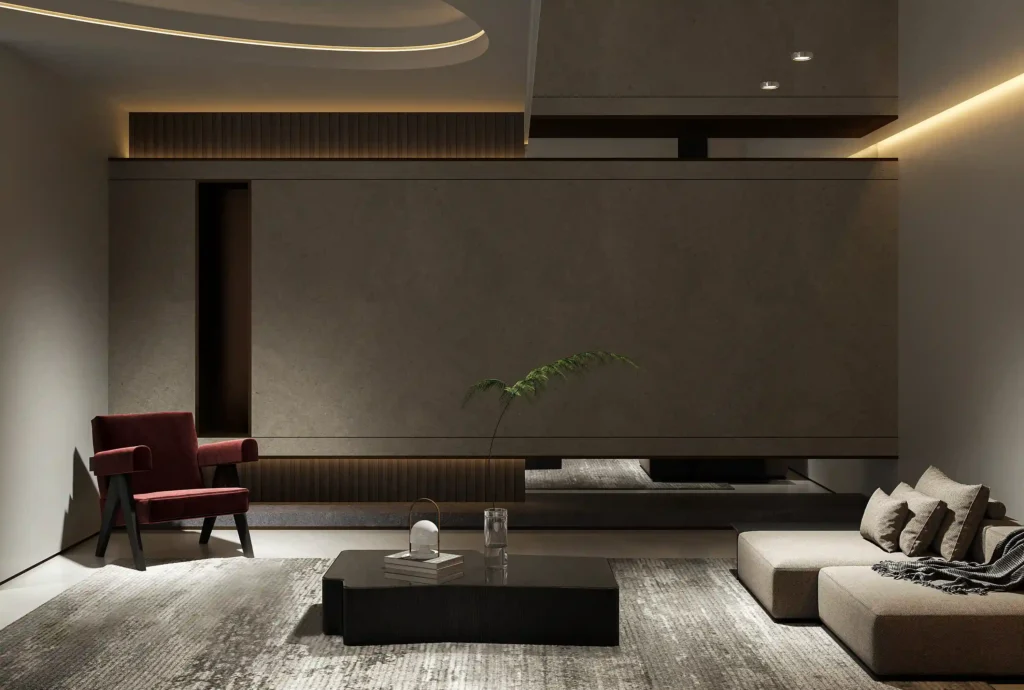
Instead of treating the television unit and display cabinet as separate furniture pieces, homeowners can integrate them into one coordinated wall system. The television area, decorative niches and closed storage can share consistent materials and proportions. This approach reduces visual clutter and creates a more organised focal point.
Explore more ideas for coordinated living spaces on MRETTY’s Living Room Design page.
3. Materials, Finishes and Lighting: Details That Shape the Result
The appearance of a cream cabinet depends on more than its colour. Surface texture, edge detailing, door profiles and lighting all influence how the finished installation looks and feels.
- Matte finishes: Create a calm, understated appearance and work well in contemporary interiors.
- Textured finishes: Add subtle depth and help large cabinet surfaces feel less flat.
- Wood veneer or wood-grain finishes: Introduce natural warmth and contrast.
- Glass display doors: Allow selected objects to remain visible while giving the cabinet a lighter appearance.
- Metal details: Champagne, brushed brass or dark metal accents can add definition without overwhelming the neutral palette.
Material selection should also consider daily use. Frequently touched cabinet doors, shelf edges and internal surfaces need finishes that are practical to maintain. When comparing composite wood products, homeowners can also ask about the material specifications and relevant emissions documentation. For reference, the US Environmental Protection Agency explains the formaldehyde requirements for regulated composite wood products under TSCA Title VI. Applicable standards and documentation vary by market, so material compliance should be checked against the requirements relevant to the project location.
4. Balancing Display and Concealed Storage
A beautiful display cabinet should not sacrifice practical storage. The most effective design considers what the household needs to display, what should remain accessible and what is better kept out of sight.
As an initial design exercise, a cabinet wall might allocate approximately 60–70% of its space to closed storage and 30–40% to open or glass-fronted display areas. This is an illustrative planning ratio rather than a universal industry standard. The final proportions should depend on the room dimensions, collection size and household routines.
| Cabinet Area | Suggested Use | Design Consideration |
|---|---|---|
| Upper display shelves | Books, artwork and decorative objects | Keep spacing visually balanced |
| Glass-fronted sections | Collectibles and selected tableware | Consider integrated lighting |
| Lower closed cabinets | Household items and accessories | Prioritise convenient access |
| Hidden compartments | Cables, routers and small equipment | Plan ventilation and cable access |
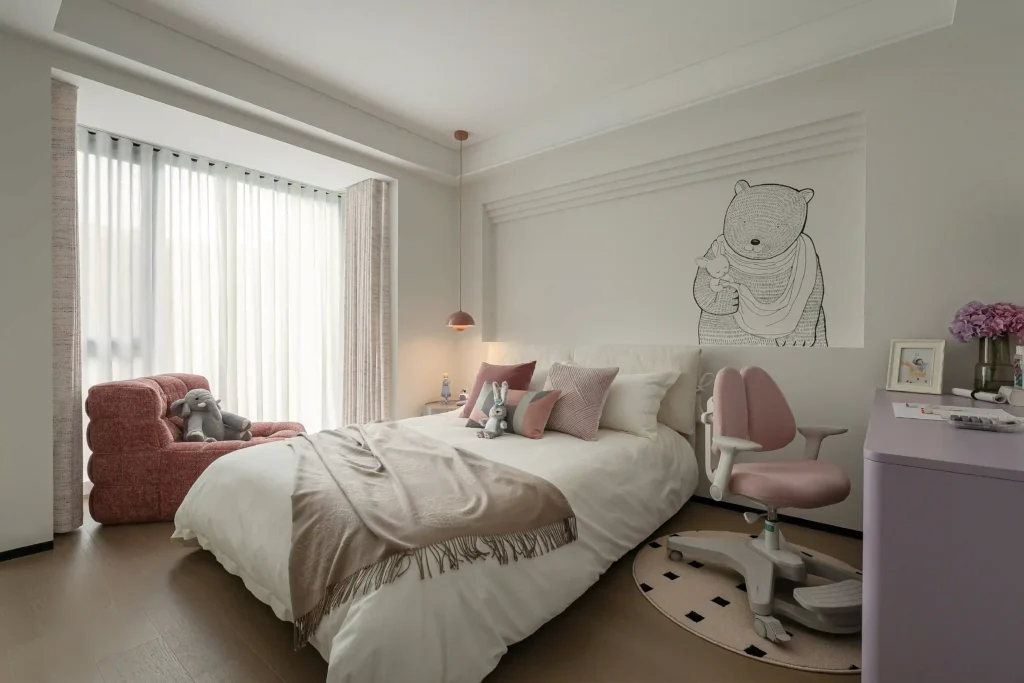
Families with children may also need dedicated storage for toys, books and everyday belongings. A thoughtful cabinet layout can keep frequently used items accessible while maintaining a tidy overall appearance. For additional inspiration, explore MRETTY’s Children’s Room Design solutions.
5. How to Choose the Right Cabinet Systems
Choosing cabinetry involves more than selecting a colour or door style. The dimensions, internal layout, materials and relationship with the rest of the home all influence the final result. Before making a decision, consider the following factors:
Measure the Space and Understand Its Layout
Start with the available wall width, ceiling height, window positions, electrical points and nearby circulation routes. In apartments and landed homes, existing structural features may affect the cabinet depth and configuration. Accurate site measurements help reduce design conflicts during installation.
Define Your Storage Requirements
List the items that need to be stored or displayed. A household with extensive book collections may need adjustable shelves, while a family that frequently uses entertainment equipment may require concealed cable management and accessible compartments.
Choose Materials Based on Daily Use
Compare surface durability, cleaning requirements, edge finishing and hardware quality. Cabinet doors and drawers used every day should be designed around practical performance as well as appearance.
Consider the Entire Interior Scheme
Cabinetry should coordinate with flooring, wall finishes, curtains, lighting and loose furniture. A cream cabinet may appear warmer or cooler depending on the surrounding materials and lighting conditions. Reviewing physical samples in the intended lighting environment can help homeowners make a more informed choice.
6. What to Consider When Choosing Kitchen Cabinets
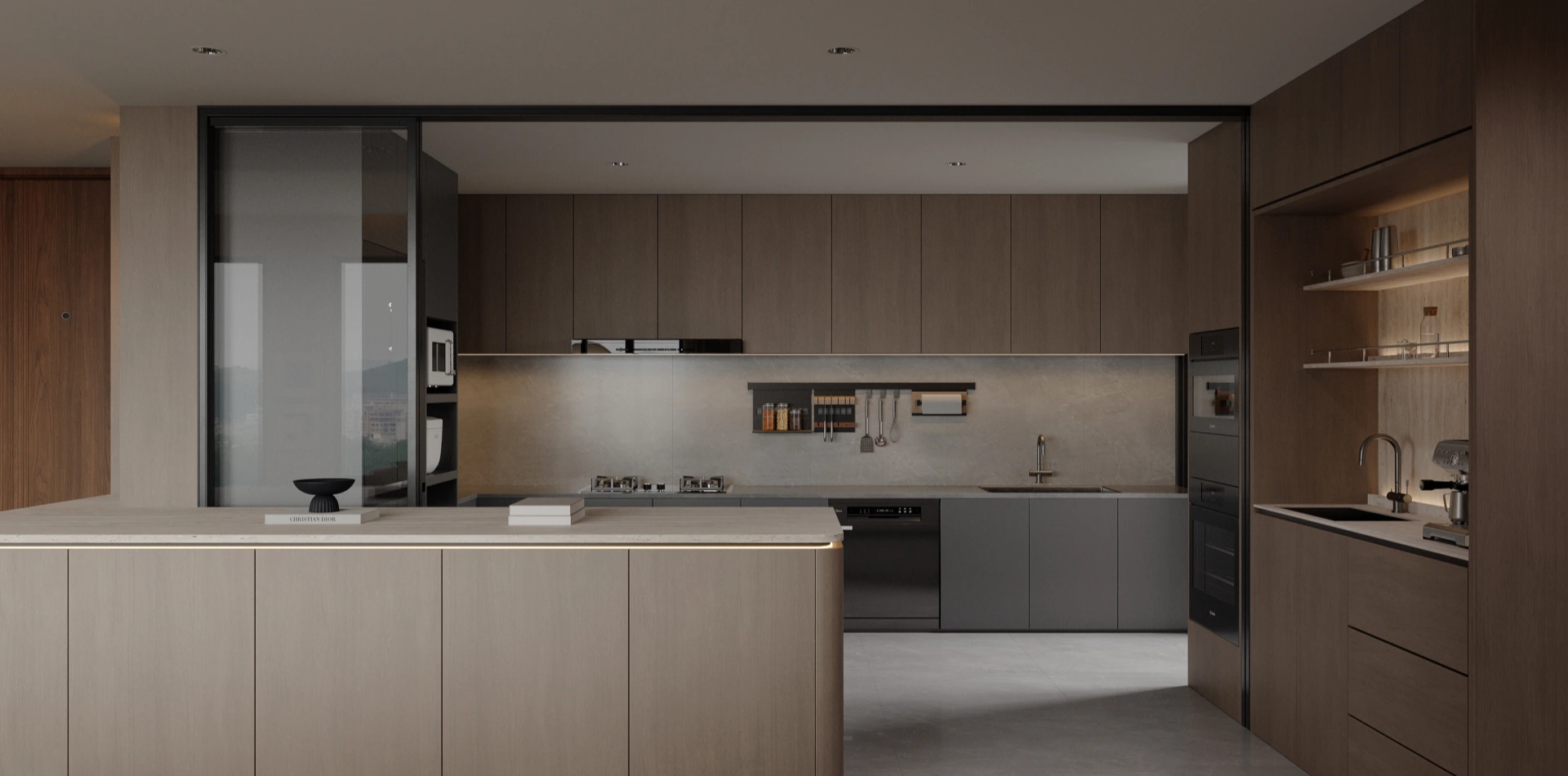
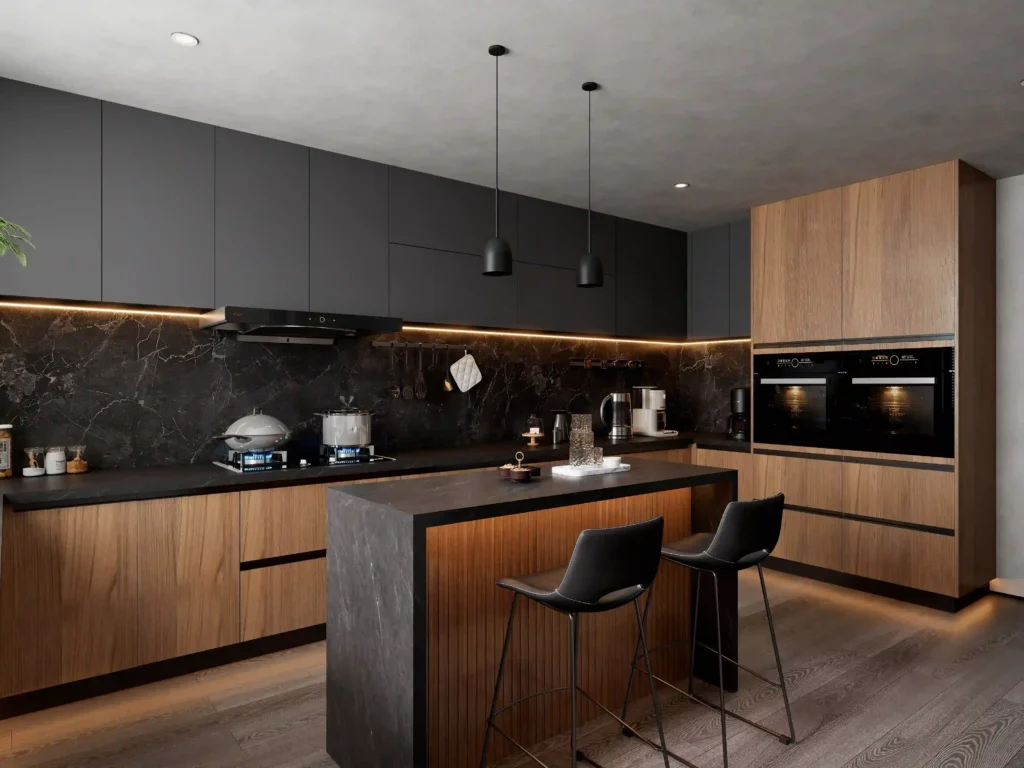
Although a living room display cabinet serves a different purpose from kitchen cabinetry, the selection process has several similarities. Homeowners researching how to choose kitchen cabinets should also consider layout efficiency, storage requirements, material performance, hardware and ease of maintenance.
Kitchen cabinets need to accommodate cooking equipment, cookware, food supplies and appliances. Drawer configurations, corner storage, pull-out units and countertop arrangements should therefore be planned around actual cooking habits. The National Kitchen & Bath Association (NKBA) provides professional kitchen planning guidelines covering important considerations such as work areas, clearances and kitchen functionality.
For homeowners planning a complete home renovation, it can be beneficial to coordinate kitchen cabinets, living room cabinetry, wardrobes and other built-in storage under one overall design direction. Consistent finishes and carefully coordinated details help create a more unified home.
7. Why Custom Cabinetry Makes a Difference
Ready-made cabinets can suit standard spaces and straightforward storage requirements. However, homes with unusual wall dimensions, specific storage needs or a distinctive interior concept may benefit from bespoke cabinetry.
Custom Cabinet Systems can be planned around the actual dimensions of a room, allowing the designer to coordinate cabinet heights, depths, door styles and internal compartments. This is particularly useful for floor-to-ceiling installations, integrated TV walls, display niches and connected living and dining areas.
For a more complete result, design decisions should be considered together rather than one cabinet at a time. The display cabinet, TV unit, dining storage and other built-in elements can share a consistent material palette while serving different functional needs.
Before choosing a supplier, review completed projects, material samples, design drawings and installation capabilities. If you are wondering where can i buy cabinets that suit a specific home layout, consider visiting a showroom where you can examine finishes, hardware and construction details in person. You can also review real residential applications to understand how different Cabinet Systems work in completed spaces.
Visit the MRETTY Singapore Showroom to explore cabinetry finishes and design possibilities, or browse the MRETTY Projects Gallery for inspiration from completed interiors.
Conclusion
A cream-toned display cabinet can bring soft luxury to a living room by combining a gentle colour palette, thoughtful storage and carefully selected materials. From floor-to-ceiling installations to illuminated display niches, the right design can make a practical storage wall an integral part of the home’s interior architecture.
The best result comes from considering the entire space, understanding household needs and choosing materials and details that balance appearance with everyday functionality. With well-planned custom cabinetry, a living room can feel organised, welcoming and visually cohesive for years to come.
Planning a more refined living space? Discover MRETTY’s bespoke cabinetry and whole-home design solutions in Singapore. Contact MRETTY to discuss your home, explore material options and start planning a cabinet system tailored to your lifestyle.
Frequently Asked Questions
1. Are cream-coloured display cabinets suitable for small living rooms?
Yes. Cream finishes can help large cabinet surfaces feel visually softer, making them suitable for compact living rooms. Combining concealed storage with a few open display sections can also prevent the installation from appearing too heavy.
2. What colours go well with cream display cabinets?
Cream pairs well with warm wood tones, beige, taupe, soft grey and natural stone finishes. Champagne metal accents and subtle glass details can also complement the palette.
3. Should a living room display cabinet have open shelves or closed doors?
The choice depends on what you plan to store. Open shelves are suitable for books and decorative objects, while closed cabinets help conceal everyday belongings. A combination of both often provides a practical balance.
4. Are custom cabinet systems better than ready-made cabinets?
Custom cabinet systems offer greater flexibility in dimensions, materials, storage configurations and overall design integration. Ready-made cabinets may be suitable for standard spaces, while bespoke solutions are worth considering when precise measurements or a coordinated whole-home design are important.
5. How can I make a cream display cabinet look more luxurious?
Focus on material quality, balanced proportions and refined detailing. Combining matte cream surfaces with natural wood textures, glass display sections and concealed warm lighting can create an elegant result without excessive decoration.
6. Where can I explore custom cabinetry in Singapore?
You can visit the MRETTY Singapore showroom to explore material finishes and cabinetry options, or browse its completed residential projects online for design inspiration.