
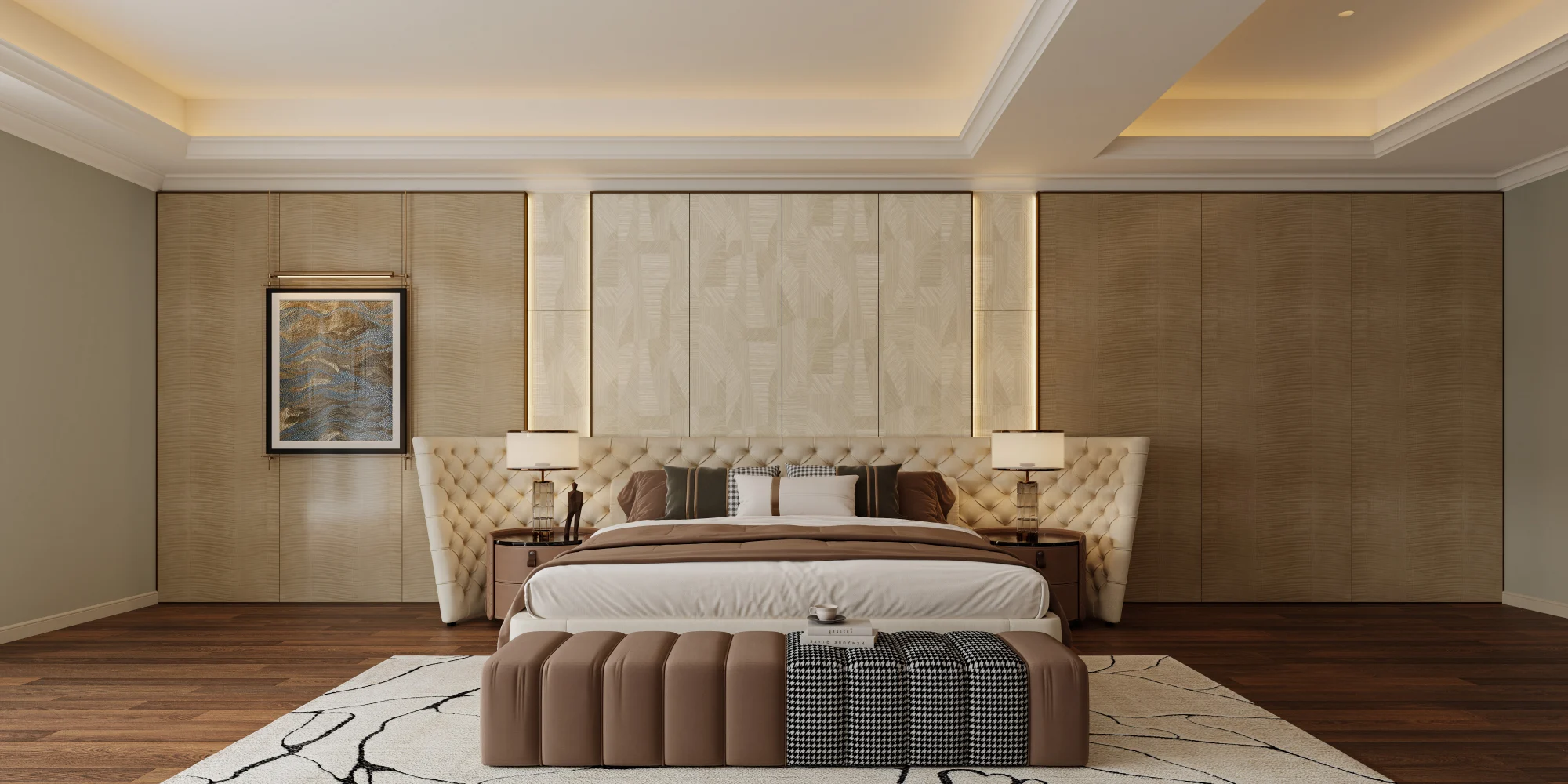
what are the benefits of custom furniture?
What Is Custom Furniture?
Custom furniture is furniture designed and manufactured specifically for a particular space, user, or project. Unlike mass-produced pieces, which are generally offered in fixed dimensions and limited finishes, custom furniture can be adjusted according to room proportions, storage requirements, materials, colors, hardware, and overall interior style.
It can include everything from built-in living room cabinetry and dining furniture to walk-in wardrobes, bedroom storage, bathroom vanities, kitchen islands, and other furniture elements throughout the home. In many high-end residential projects, custom furniture is also integrated with cabinetry, wall systems, doors, and soft furnishings to create a consistent design language.
The purpose is not simply to make a piece of furniture look different. The real advantage is the ability to make the furniture work specifically for the space and the people who use it.
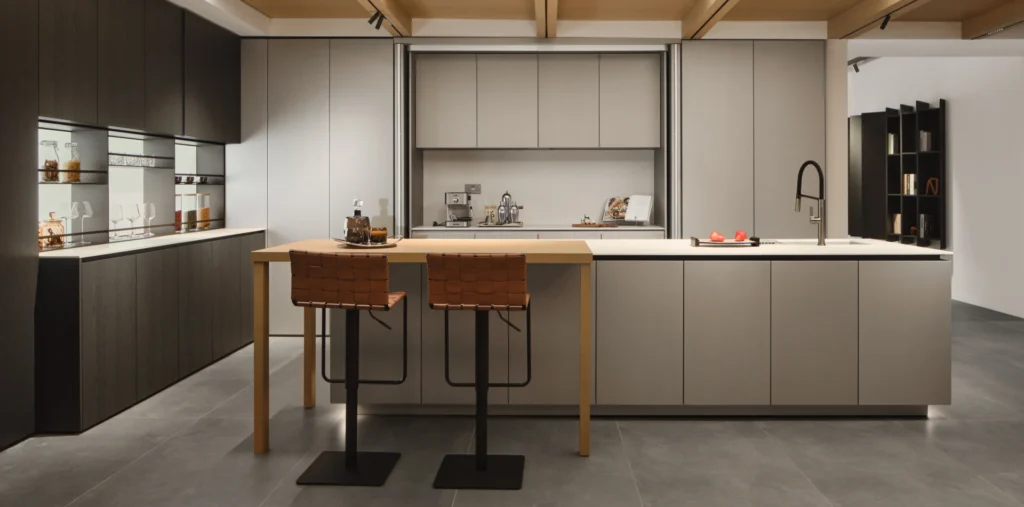
What Are the Benefits of Custom Furniture?
The benefits of custom furniture go beyond appearance. A well-designed piece can improve how a room functions, increase available storage, solve difficult spatial problems, and create a stronger connection between furniture and architecture.
For homeowners investing in luxury interior design, custom furniture can also help ensure that different rooms feel like part of the same home rather than a collection of unrelated products.
1. A Perfect Fit for Your Space
One of the most obvious benefits of custom furniture is that it can be designed to fit the exact dimensions of a room. Standard furniture often leaves unused gaps between the furniture and walls, ceilings, or adjacent cabinetry. These small gaps may seem insignificant individually, but they can affect the overall appearance of a carefully designed interior.
Custom furniture can be planned around the actual dimensions of the space. Cabinet heights, widths, depths, shelving positions, drawer sizes, and other details can all be adjusted to make better use of the available area.
This is particularly valuable in apartments, villas, penthouses, and other homes where architectural details may make standard furniture difficult to position. Instead of compromising the layout to accommodate a product, the furniture becomes part of the architectural plan.
2. Designed Around Your Lifestyle
A home should reflect how its occupants actually live. Two families may have rooms of similar size but completely different storage and furniture requirements.
One homeowner may need extensive book storage, while another may prioritize display cabinets and concealed storage. A family that cooks frequently may require a large kitchen island and dedicated appliance storage, while another may prefer a more open kitchen designed around entertaining.
Custom furniture allows these differences to be considered during the design stage. Storage can be divided according to how items are used, frequently accessed objects can be positioned within easy reach, and less frequently used belongings can be placed in higher or deeper storage areas.
This makes custom home design more personal. The goal is not simply to fill a room with furniture, but to create an environment that supports everyday routines.
3. More Efficient Storage
Storage is one of the strongest reasons homeowners choose custom furniture. Ready-made furniture typically has to work for a wide range of users, while custom cabinetry can be designed around the exact items a household needs to store.
For example, a walk-in wardrobe can be divided into hanging areas for long garments, double-hanging sections for shirts and trousers, drawers for accessories, open shelves for shoes, and dedicated spaces for handbags or luggage.
The same principle applies to living rooms and dining spaces. Built-in cabinetry can combine closed storage, open shelving, display areas, and media equipment within one coordinated system. This creates a cleaner appearance while making everyday storage easier to manage.
In a large villa, this approach can extend throughout the entire home. Kitchen cabinetry, wardrobes, bathroom vanities, living room storage, and dining cabinetry can be planned as connected parts of a larger storage strategy.
4. Greater Choice of Materials and Finishes
Another important advantage of custom furniture is the ability to select materials and finishes according to the design concept. With mass-produced furniture, homeowners are usually limited to the colors, textures, and materials offered by the manufacturer.
With a custom approach, the design can incorporate different wood veneers, laminates, painted finishes, glass, metal details, stone surfaces, and other materials depending on the application.
This flexibility is particularly useful when creating a sophisticated residential interior. The furniture can be coordinated with flooring, wall finishes, doors, lighting, and architectural details instead of being selected as an independent element.
For projects where subtle differences in texture and color matter, custom finishes can also help create a more refined visual result.
5. A More Cohesive Interior
A room can contain beautiful furniture and still feel visually disconnected if every piece has a different style, proportion, or material. This is one reason custom furniture plays an important role in high-end residential design.
Instead of selecting individual pieces from different collections, homeowners can develop a consistent design language across multiple spaces. Cabinet colors, wood tones, handles, proportions, and detailing can be coordinated from the beginning.
This becomes especially important in open-plan homes. A kitchen may be visually connected to the dining room and living room, meaning the cabinetry needs to work with the surrounding interior rather than compete with it.
For a complete residential project, custom furniture can also work together with custom cabinets and integrated wall systems to create a continuous visual language from one room to another.
6. Better Use of Awkward Spaces
Not every part of a home is easy to furnish. Sloping ceilings, structural columns, deep niches, narrow walls, corners, alcoves, and irregular room dimensions can all create areas that are difficult to use with standard furniture.
Custom furniture provides an opportunity to turn these limitations into functional spaces. A narrow wall can become a built-in storage unit. An unused corner can accommodate shelving or a display cabinet. Space beneath a staircase can become concealed storage, while a full-height cabinet can make use of vertical space that would otherwise remain empty.
Instead of treating unusual architecture as a problem, the design process can incorporate it into the furniture itself.
7. Designed for Long-Term Use
Furniture in a family home is used repeatedly every day. Kitchen drawers are opened and closed, wardrobe doors are frequently operated, and living room storage may be accessed dozens of times throughout the week.
Custom furniture gives greater control over construction details, materials, hardware, and functional requirements. These decisions can be made according to how heavily each area will be used.
For example, kitchen cabinetry may require durable surfaces and high-quality drawer systems, while a display cabinet may place greater emphasis on lighting and visual detailing. A wardrobe may need specialized hanging systems and accessories, while a bathroom vanity requires materials appropriate for a humid environment.
The result is furniture designed not only around appearance, but also around its intended use.
8. Adds Character and Value to Your Home
Custom furniture can give a home a sense of individuality that is difficult to achieve with completely standardized products. Instead of choosing from the same designs available to countless other homeowners, each piece can be developed around the specific architecture and design concept of the property.
This is particularly relevant for luxury villas and high-end apartments, where the interior is often considered part of the overall character of the property. Carefully designed built-in furniture can make spaces feel more complete, intentional, and visually integrated.
While custom furniture generally requires a higher initial investment than mass-produced alternatives, its value should be considered in relation to fit, functionality, materials, longevity, and the overall design outcome rather than purchase price alone.
Custom Furniture vs. Ready-Made Furniture
Both custom and ready-made furniture have their place. Ready-made products can be convenient for temporary homes, quick furnishing projects, or situations where standard dimensions work well. Custom furniture becomes more relevant when the homeowner has specific requirements that standard products cannot easily accommodate.
| Feature | Custom Furniture | Ready-Made Furniture |
|---|---|---|
| Dimensions | Designed for the specific space | Fixed standard sizes |
| Design | Personalized | Pre-designed |
| Materials | Wider range of choices | Limited to available options |
| Storage | Designed around individual needs | Predetermined configurations |
| Awkward spaces | Can be specifically accommodated | Often difficult to use efficiently |
| Interior coordination | Can be coordinated across the home | Usually selected individually |
| Initial investment | Generally higher | Generally lower |
| Personalization | High | Limited |
The right choice ultimately depends on the project. For homeowners creating a long-term residence and looking for a highly coordinated interior, the additional flexibility of custom furniture can be particularly valuable.
Where Can Custom Furniture Be Used?
Custom furniture is not limited to one particular room. In a whole-home project, it can be used throughout the property to connect different functional areas while maintaining a consistent design approach.
Living Room
Living room cabinetry can combine television storage, bookshelves, display areas, concealed storage, and decorative elements. Built-in furniture can also be designed to follow the proportions of the wall and integrate lighting or architectural details.
Kitchen and Dining Room
Kitchen cabinetry, islands, pantry storage, and dining cabinetry can be designed around cooking habits and entertaining requirements. A custom kitchen island can also become a central gathering point for breakfast, casual dining, or social occasions.
Walk-In Wardrobe
Walk-in wardrobes benefit significantly from customization because clothing collections and storage habits vary considerably between households. Hanging zones, drawers, shelving, accessories, lighting, and islands can all be planned around the user’s needs.
Bedroom
Bedrooms can incorporate custom wardrobes, bedside storage, dressing areas, display shelving, and concealed cabinetry. Matching materials across these elements can create a calmer and more cohesive environment.
Bathroom
Custom bathroom vanities can be designed around the available wall space, basin configuration, plumbing position, and storage requirements. Materials and finishes can also be selected with the bathroom environment in mind.
Home Office
A custom home office can combine a desk, bookshelves, filing storage, display cabinets, and concealed cable management within one integrated system. This is particularly useful when the office needs to function as part of another living space.
Is Custom Furniture Worth the Investment?
Whether custom furniture is worth the investment depends on what you expect from your home. If the priority is simply to furnish a room quickly at the lowest possible initial cost, ready-made furniture may be sufficient.
However, if you are planning a long-term residence and want furniture that fits the architecture, maximizes storage, reflects your lifestyle, and works cohesively with the rest of the interior, customization can provide substantially more flexibility.
The value of custom furniture is therefore not only found in the finished product. It comes from the entire process of translating the way you live into the way your home is designed.
How MRETTY Approaches Custom Furniture Design
At MRETTY, custom furniture is considered part of a broader residential design system rather than a collection of individual products. Our approach combines spatial planning, original design, custom manufacturing, and professional installation to create solutions tailored to each project.
From living room cabinetry and dining storage to walk-in wardrobes, kitchen islands, bathroom vanities, doors, wall systems, and soft furnishings, different elements can be coordinated through a consistent design language.
This whole-home approach is particularly suitable for villas and luxury apartments where architectural proportions, material coordination, and functional details all play an important role. You can explore our completed residential projects through the MRETTY project portfolio to see how custom furniture and cabinetry are integrated into different spaces.
Our manufacturing and craftsmanship process also plays an important role in the final result. To learn more about how MRETTY manages production and customization, welcome to visit our store.
For homeowners who are planning a complete residential project, our About MRETTY page provides more information about our design philosophy and whole-home customization approach.
Conclusion
So, what are the benefits of custom furniture? The answer goes far beyond having furniture in a unique color or size. Custom furniture allows homeowners to create pieces that fit their space, support their lifestyle, maximize storage, coordinate with the interior, and make better use of challenging architectural areas.
For luxury residential projects, these advantages become even more significant. When furniture, cabinetry, kitchens, wardrobes, doors, wall systems, and soft furnishings are planned together, the result can feel more intentional and connected than a home furnished with unrelated standard products.
Ultimately, good custom furniture should feel as though it belongs to the architecture from the beginning. It should make everyday life easier while contributing naturally to the character and atmosphere of the home.
If you are planning a villa, apartment, or whole-home renovation and would like to explore a customized furniture solution, contact MRETTY to discuss your project and design requirements.