
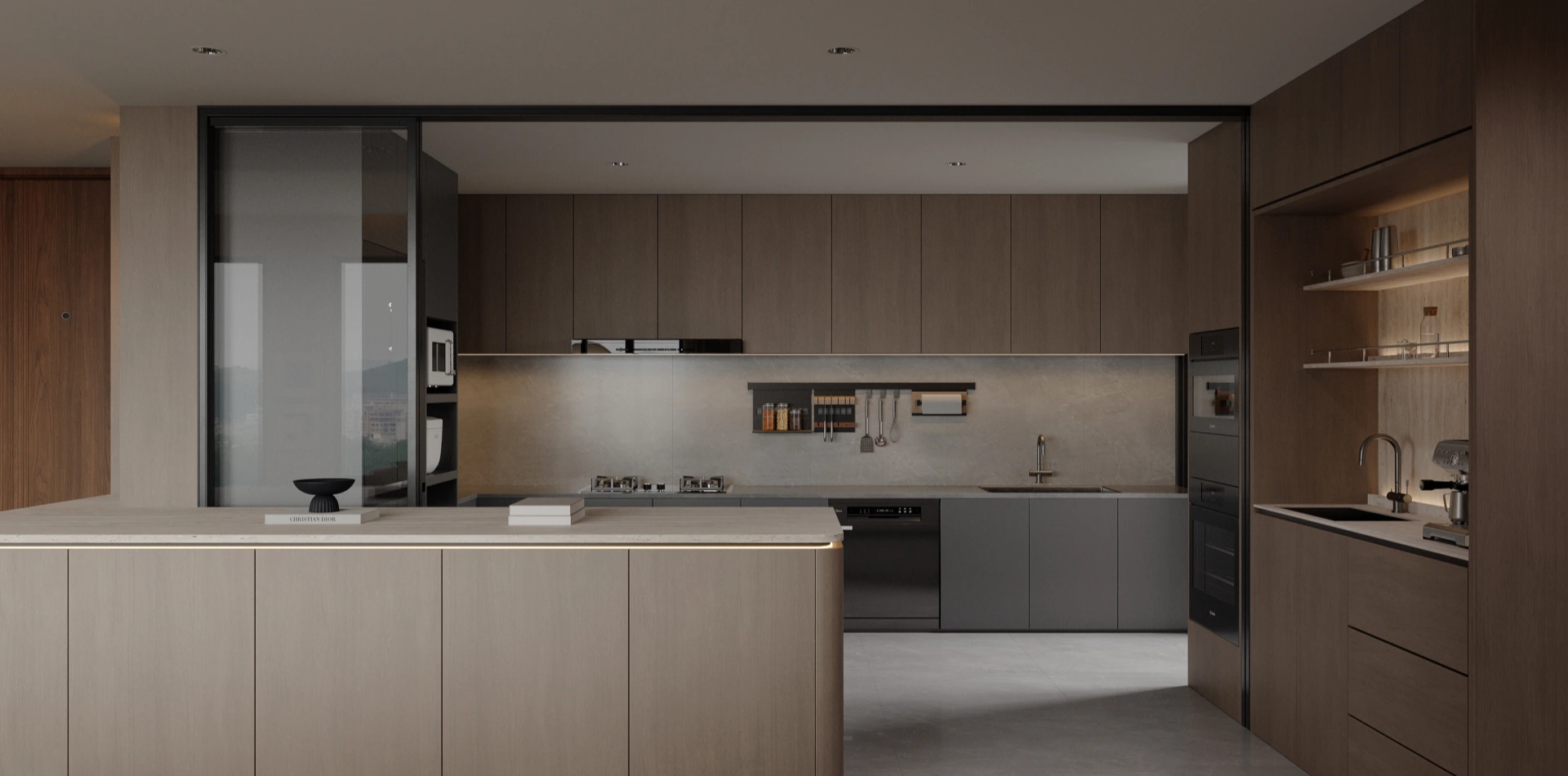
Lower-Emission Custom Furniture in Singapore: Buyer Checklist
Custom furniture lets you fit storage and style to a particular home. If material emissions are a priority, ask for clear specifications rather than a promise that furniture is “formaldehyde-free”. A claim about one board or adhesive should not be extended to a completed room without evidence.
Start with the furniture brief
List the rooms, dimensions, storage needs and how the furniture will be used. A dining-area cabinet, a kitchen island and a bedroom wardrobe face different cleaning and moisture conditions. Material choice should follow the function and the location, not a single slogan.
Compare the actual products
Ask the supplier to identify boards, timber, surface finishes, adhesives and hardware included in the quote. If a product is described as low-emission, request its applicable test report and check the product name, method, result and date. A general brand certificate or a report for a different product may not answer the question for your furniture.
Look at longevity and care
Furniture value also depends on construction, repairability and maintenance. Ask how frequently used hardware can be adjusted or replaced, how surfaces should be cleaned and what the written warranty covers. For wood-based pieces, address leaks and persistent dampness promptly. No product should be marketed as permanently immune to moisture or pests.
Five buying questions
- Which exact materials will be installed?
- What evidence supports the stated emission characteristics?
- Is the design suited to the room’s use and humidity?
- What care and maintenance will be needed?
- How will substitutions and warranty terms be recorded?
MRETTY can discuss tailored furniture and cabinetry options for Singapore homes. A documented, room-appropriate choice is more meaningful than an absolute health promise. Explore the showroom or contact the team with your project details.