
 Singapore
 China
China
Wood is a timeless material, celebrated for its natural beauty, warmth, and versatility. From intricate custom cabinetry to elegant wall panels, it brings a sense of organic sophistication to any interior. However, as a natural material, wood is susceptible to decay, insect attacks, and moisture damage. This is where wood preservation techniques become essential.
Proper preservation not only extends the life of your bespoke furniture but also maintains its structural integrity and aesthetic appeal for generations. At MRETTY, we understand that the longevity of our custom-built kitchens, wardrobes, and cabinet systems depends on the quality of the materials we use. By employing advanced wood preservation methods, we ensure that every piece we create is not just a statement of style but also an investment in durability. This guide will explore the world of wood preservation, from traditional methods to modern innovations, highlighting how these processes contribute to the superior quality of your home furnishings.
The Critical Importance of Wood Preservation
Preserving wood is crucial, even for indoor applications like custom cabinetry and furniture. While interior wood isn't exposed to the harsh elements of the outdoors, it still faces threats that can compromise its quality over time. Understanding these challenges underscores the necessity of effective wood preservation.
Protection Against Biological Threats
Fungi and insects are the primary culprits behind wood degradation. Fungi, which cause rot and decay, thrive in environments with sufficient moisture and oxygen. Insects like termites and powderpost beetles can tunnel through wood, weakening its structure from the inside out.
Preservation treatments create a protective barrier that makes the wood unpalatable or toxic to these organisms. This defense is vital for maintaining the structural integrity of your furniture and fixtures.
Moisture Resistance
Wood is hygroscopic, meaning it naturally absorbs and releases moisture from the air. This can cause it to swell, shrink, warp, or crack over time. While no treatment can make wood entirely waterproof, certain preservation methods and finishes significantly reduce its rate of moisture absorption, enhancing dimensional stability.
This is particularly important for items like bathroom vanities and kitchen cabinets, which are frequently exposed to humidity and spills. Proper moisture resistance prevents common problems that can compromise the appearance and function of wooden pieces.
Enhanced Durability and Strength
The chemical compounds used in preservation treatments penetrate the wood fibers, reinforcing its natural structure. This process increases the wood's hardness and resistance to physical wear and tear.
It ensures that high-use items like cabinet doors and drawers continue to function smoothly for years. The result is enhanced durability and a longer lifespan for your cherished wood furniture.
Long-Term Value
Investing in high-quality, custom-built furniture is a significant decision. Wood preservation safeguards that investment by preventing costly repairs or replacements down the line. A well-preserved piece from MRETTY will retain its beauty and functionality, adding lasting value to your home.
Traditional Wood Preservation Techniques
Before the advent of modern industrial chemistry, artisans relied on natural substances and time-honored methods to protect wood. While many of these techniques have been refined, their core principles still influence contemporary practices in wood protection.
Drying and Seasoning
The most fundamental preservation technique is reducing the wood's moisture content. Freshly cut "green" wood can contain more than 50% water by weight, making it an ideal breeding ground for fungi. Seasoning—either through air-drying or kiln-drying—lowers the moisture content to a level (typically below 20%) that inhibits fungal growth.
Kiln-drying is the modern standard for high-quality furniture as it is faster and allows for precise control over the final moisture level, minimizing defects like warping and cracking. This crucial first step prepares the wood for a long and stable life.
Natural Oils and Waxes
For centuries, craftsmen have used oils like linseed, tung, and walnut oil to protect wood. These oils penetrate the wood pores and then cure (polymerize) to form a resilient, water-resistant finish that highlights the natural grain. Waxes, such as beeswax and carnauba wax, were often applied over oils to provide an additional layer of protection and a soft, lustrous sheen.
While beautiful, these finishes require periodic reapplication to maintain their protective qualities. They offer a more natural aesthetic, emphasizing the wood's inherent beauty.
Charring (Shou Sugi Ban)
This ancient Japanese technique involves charring the surface of wood to render it resistant to fire, insects, and decay. The process creates a dense layer of carbon that acts as a natural preservative. While historically used for exterior siding, a controlled, light charring can be used to create unique, dramatic finishes for decorative panels and furniture.
This method offers both aesthetic appeal and enhanced durability, transforming the wood's surface into a protective shield.
Modern Wood Preservation: Science Meets Nature
Modern preservation techniques leverage advanced chemistry to provide robust, long-lasting protection. These methods are classified based on the type of preservative used and the application process. At MRETTY, we select the most appropriate treatments based on the wood species and its intended use, ensuring optimal performance without compromising safety.
Types of Preservatives
Modern wood preservatives fall into two main categories: oil-borne and water-borne. Each type has distinct characteristics and applications, chosen for specific protection needs.
Oil-borne preservatives use a petroleum-based oil to carry the preservative chemicals deep into the wood. Creosote and Pentachlorophenol (PCP) are classic examples, but due to their strong odor and potential health concerns, their use is now heavily restricted, especially for indoor applications. Modern oil-borne solutions use lighter, less odorous oils and are primarily reserved for industrial or outdoor uses, focusing on heavy-duty protection.
Water-borne preservatives are the most common type used for residential and interior applications today. The active ingredients are dissolved in water, making them odorless, clean to handle, and allowing the wood to be painted or stained after treatment. This makes them ideal for household furniture and custom cabinetry.
- Micronized Copper Azole (MCA): A widely used preservative that offers excellent protection against rot and termites. The copper is ground into microscopic particles, allowing for better penetration and a more natural wood appearance.
- Ammoniacal Copper Quat (ACQ): Another effective copper-based alternative that provides broad-spectrum protection. It has been a popular choice for replacing older, more toxic preservatives, demonstrating a commitment to safety and efficacy.
- Borates: Boron-based compounds are highly effective against a wide range of insects and fungi. They are considered one of the least toxic options for humans and pets, making them an excellent choice for interior components like framing and panels within a cabinet system. They are diffused into the wood using water and remain effective as long as the wood is kept from direct contact with water.
Application Methods
The effectiveness of a preservative is highly dependent on how it is applied. The goal is to ensure deep, uniform penetration into the wood fibers for comprehensive long-term protection.
Pressure treatment is the most effective and widely used method for applying water-borne preservatives. The wood is placed inside a large, sealed cylinder, where a vacuum is created to remove air from the wood's cells. Then, the preservative solution is flooded into the cylinder under high pressure, forcing the preservative deep into the wood structure.
After the pressure cycle, a final vacuum removes excess solution. This process ensures comprehensive protection that surface applications cannot match, making it the gold standard for protecting the base materials for our custom cabinets from the inside out.
Non-pressure treatments, while not as thorough as pressure treatment, are suitable for specific applications or for treating wood in-situ. These methods offer versatility for various scenarios.
- Dipping/Soaking: Wood is submerged in a tank of preservative for a period ranging from a few minutes to several days. This allows the preservative to soak into the surface layers, offering a degree of protection.
- Brushing and Spraying: This involves applying the preservative to the surface of the wood with a brush or sprayer. It is the least effective method for long-term protection as it provides only a thin surface-level barrier. It's generally used for remedial treatments or for sealing cut ends of pressure-treated wood.
MRETTY's Approach to Wood Preservation
When selecting custom cabinetry, understanding a company's approach to material preservation is key. Many mass-market furniture brands prioritize speed and low cost, often using lower-grade particleboard with simple melamine or laminate finishes. While these surfaces offer some resistance to moisture and scratches, the underlying core material is highly susceptible to swelling and decay if the surface is compromised.
In contrast, a competitor offering solid wood furniture might rely on simple oil or lacquer finishes. While beautiful, these only provide surface-level protection. Without proper underlying preservation of the wood itself, the furniture remains vulnerable to humidity changes and potential insect activity, especially in tropical climates. This highlights the importance of a comprehensive preservation strategy.
The MRETTY Difference
Our philosophy at MRETTY is built on a foundation of quality that goes beyond surface appearances. We implement a multi-faceted approach to ensure superior durability and longevity for all our products.
- Superior Core Materials: We use high-density, premium-grade wood composites and select solid woods that are chosen for their stability and durability. This commitment to quality starts with the very foundation of our furniture.
- Integrated Preservation: Our materials undergo modern preservation treatments before they are crafted into your furniture. We utilize safe, effective, water-borne preservatives applied under controlled conditions to ensure deep penetration. This foundational protection makes our cabinetry fundamentally more resistant to decay and insects.
- Advanced Finishing: On top of this preserved core, we apply multi-layered, high-performance finishes. These lacquers and coatings not only provide the desired color and sheen but also create a durable, non-porous seal against moisture, stains, and daily wear.
This dual-layer approach—combining foundational wood preservation with advanced surface finishing—is what sets MRETTY apart. You receive a product that is not only beautiful on the day of installation but is engineered to remain that way for decades.
Related Products and Customization
Our expertise in wood preservation enhances the longevity of our entire range of bespoke solutions. Each product category benefits from our advanced treatment methods, ensuring exceptional durability and performance.
- Custom Kitchen Cabinets: Built to withstand the heat and humidity of a busy kitchen, our cabinets resist warping and moisture damage. They are designed for the demanding environment of modern kitchens.
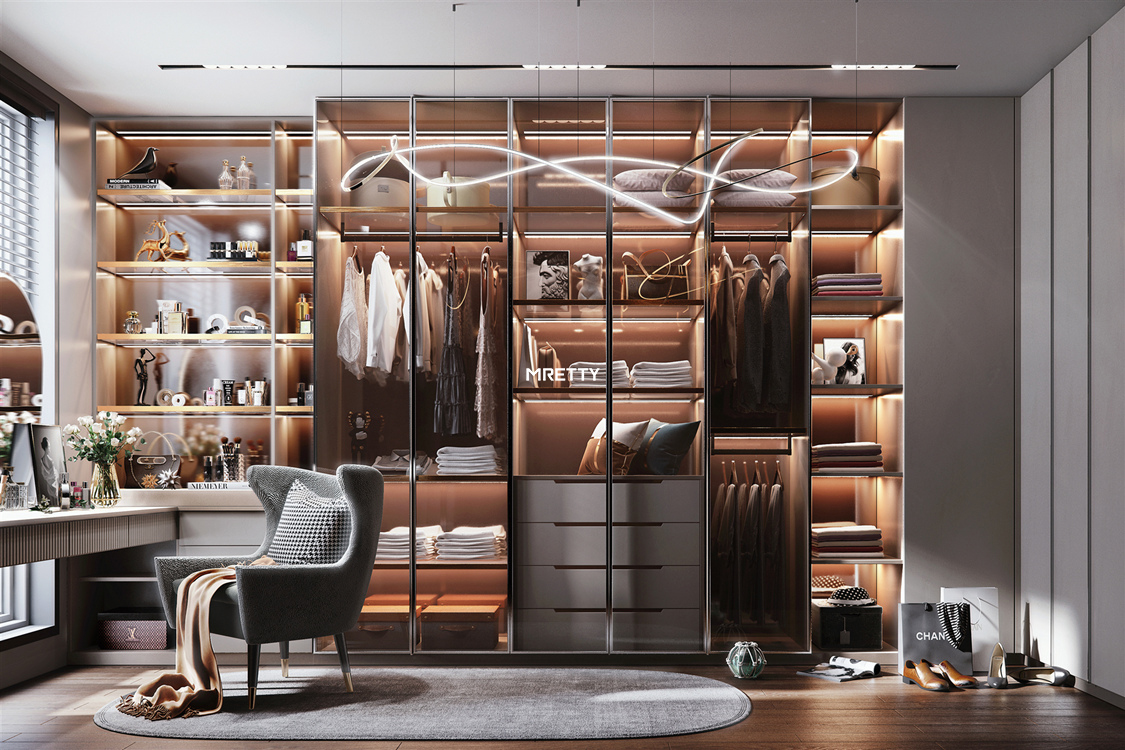
- Wardrobes and Walk-in Closets: Your clothing will be housed in a stable, pest-resistant environment, protecting your valuable garments. This ensures your apparel remains pristine and free from damage.
- Bathroom Vanities: We use specialized treatments and finishes to ensure our vanities stand up to the most humid room in the house without swelling or deteriorating. This guarantees lasting beauty and function in a challenging space.
- Bookcases and Study Systems: Protect your valuable book collection and create a timeless study with shelving that won't sag or weaken over time. Our preserved wood ensures stability for heavy loads.
- Wall Paneling and Interior Doors: Our preserved wood panels and doors add architectural elegance while maintaining their form and finish, unaffected by seasonal changes in humidity. They provide long-lasting aesthetic appeal and structural integrity.
Customer FAQ: Common Questions About Wood Preservation
Q1: Are the chemicals used in wood preservation safe for my home?
Absolutely. Modern wood preservation has shifted significantly towards safer, low-toxicity solutions. For all our interior products, we exclusively use water-borne preservatives, such as borate or MCA-based treatments, that have extremely low volatility and are locked into the wood's cellular structure once cured. They are odorless and pose no risk to your family's health, meeting stringent international safety standards.
Q2: Will the preservation treatment affect the look of the wood?
Most modern water-borne treatments leave the wood with a very natural appearance, sometimes with a slight greenish or brownish tint that is completely covered by our opaque lacquers or deep stains. Our finishing process ensures a flawless, beautiful surface in the exact color and sheen you have chosen, with no visual indication of the powerful protection that lies beneath.
Q3: How does preserved wood compare to materials like MDF or particleboard?
Standard MDF and particleboard are essentially wood fibers or particles bonded with resin. When exposed to moisture, they can swell, crumble, and lose all structural integrity. While our high-density wood composites are far superior, our preserved solid wood components offer unparalleled strength and repairability.
The preservation process gives them a fundamental resistance to the core weaknesses of wood, making them a far more durable and long-lasting choice than non-treated engineered woods.
Q4: Do I need to do anything to maintain the wood's preservation?
The internal preservation treatment is permanent and requires no maintenance from you. It will continue protecting the wood from the inside for the life of the furniture. Your only responsibility is to care for the external finish—cleaning with gentle, non-abrasive products and avoiding deep scratches that could break the protective topcoat. This simple care ensures the entire system, inside and out, remains pristine.
Case Study: The Tan Family's Kitchen Transformation
The Tan family lives in a mature apartment in Singapore, where high humidity is a constant concern. Their previous kitchen, built with standard particleboard cabinets, had begun to show signs of swelling around the sink area, and the doors were no longer closing properly. They chose MRETTY for their renovation, seeking a solution that was both beautiful and resilient.
We designed a full kitchen system using our premium, preserved wood materials. For the cabinets, we selected a high-density core treated with a borate solution for comprehensive insect and fungal resistance. The cabinet doors were finished with a multi-layer, marine-grade lacquer to create an impenetrable barrier against moisture.
One year after installation, Mrs. Tan reports, "The kitchen looks as perfect as the day it was installed. Despite all the cooking and cleaning, there is not a single sign of water damage or warping. We had a small leak under the sink that went unnoticed for a day, and I was so worried. But after we cleaned it up, there was no damage at all. The quality is truly on another level."
Conclusion: An Investment in Lasting Excellence
Wood preservation is an invisible but indispensable element of high-quality custom furniture. It is the science that ensures the art of woodworking endures. By moving beyond mere surface treatments and embracing a deep, structural approach to preservation, we create products that stand the test of time and environment.
As an FSC-certified company, MRETTY is committed not only to beautiful design but also to responsible and durable craftsmanship. Our use of advanced preservation techniques is a core part of that commitment, guaranteeing that your investment in custom cabinetry is a wise one.
We don't just build furniture for your home today; we build heirlooms for your family's future. Ready to experience the difference that superior materials and expert craftsmanship can make?
Authored by
Yang Song
Principal Designer at MRETTY, renowned for his work on the award-winning "Orchard Residence Penthouse" project, which won the Gold Medal for Residential Interior Design at the 2023 Singapore Design Awards.
MRETTY: Premium Bespoke Kitchen & Cabinet Systems Provider in Singapore.
