
 Singapore
 China
China
In the world of interior design, few elements possess the timeless appeal and versatile nature of wood. It speaks a language of warmth, authenticity, and enduring strength. When this classic material meets modern sensibilities, the result is contemporary wood furniture design, a style that captivates with its clean lines, organic forms, and sophisticated simplicity. It is more than just furniture; it is a statement of refined taste, a nod to nature, and a commitment to quality that transforms a house into a home.
This comprehensive exploration delves into the elegant world of contemporary wood furniture, celebrating its history, defining its characteristics, and guiding you toward creating spaces that are both beautiful and profoundly personal. At its heart, contemporary design is about the now. It reflects the trends and innovations of the current moment while respecting the design principles of the past. For MRETTY, this means crafting pieces that are not only visually stunning but also exceptionally functional and sustainable.
It's a philosophy that blends artistry with practicality, creating bespoke solutions that elevate everyday living into an art form.
The Evolution of Wood in Design: A Journey Through Time
Wood has been a cornerstone of furniture making for millennia. Its journey from purely functional object to celebrated design element is a story of human creativity and changing lifestyles.
From Rustic Beginnings to Ornate Traditions
Early furniture was born of necessity—simple, sturdy, and built to last. As civilizations flourished, so did the craft. The Renaissance, Baroque, and Rococo periods saw wood carved into elaborate, ornate forms, reflecting the wealth and status of their owners.
These were pieces designed to impress, adorned with intricate details and gilded finishes.
The Mid-Century Modern Revolution
The 20th century ushered in a dramatic shift. The Mid-Century Modern movement (roughly 1945-1969) was a pivotal moment for wood furniture design. Designers like Charles and Ray Eames, Hans Wegner, and George Nakashima stripped away the excess of previous eras. They championed a new aesthetic defined by:
Simplicity and Function: Form followed function, with every curve and joint serving a purpose.
Organic Shapes: Gentle, flowing lines inspired by nature replaced rigid, symmetrical forms.
Honesty of Material: The natural grain, color, and texture of the wood became the primary decorative element.
This movement laid the groundwork for what we now recognize as contemporary design. It taught us to appreciate the inherent beauty of wood and the elegance of minimalism.
The Rise of Contemporary Aesthetics
Contemporary design builds upon the legacy of Mid-Century Modernism but is not bound by it. It is a fluid and evolving style, incorporating new technologies, materials, and a global perspective. While modernism adheres to a strict set of rules, contemporary design is more eclectic, borrowing elements from various styles to create something fresh and relevant for today's interiors.
It embraces innovation while holding fast to the core principles of simplicity, sophistication, and a deep connection to natural materials.
Key Characteristics of Contemporary Wood Furniture
What defines contemporary wood furniture design and sets it apart? It is a harmonious blend of several key characteristics that together create an atmosphere of understated luxury and comfort.
1. Clean Lines and Geometric Forms
Contemporary furniture favors strong, clean lines—both straight and elegantly curved. You will find uncluttered silhouettes and a distinct lack of ornamentation. Tabletops have crisp edges, chair legs are sleek and tapered, and cabinetry features flat-panel doors.
This focus on form creates a sense of order and tranquility in a space.
2. Emphasis on Natural Materials
Wood is the star of the show. Contemporary design celebrates the material in its most authentic state. Rather than hiding the wood under heavy stains or paints, finishes are often light and transparent, allowing the natural grain and texture to shine through.
This "truth to materials" philosophy creates a powerful connection to the natural world.
3. A Neutral and Sophisticated Palette
The color palette is typically grounded in neutrals. Think soft beiges, warm greys, rich creams, and deep browns. The natural tones of the wood itself—from the pale glow of maple to the deep richness of walnut—provide the primary color.
This restrained palette creates a serene and sophisticated backdrop, allowing the furniture's form and texture to take center stage.
4. The Beauty of Unadorned Surfaces
Simplicity reigns. Surfaces are smooth, clean, and free from elaborate carvings or hardware. Cabinetry often features handleless designs, relying on push-to-open mechanisms or integrated pulls to maintain a seamless, uninterrupted facade.
This minimalism is not cold; rather, it is a confident expression of elegance.
5. Innovative Use of Form and Function
Contemporary pieces are often marvels of smart design. A coffee table might contain hidden storage compartments, a dining table may feature an effortlessly extendable leaf, and a shelving unit can double as a sculptural room divider. This fusion of beauty and utility is a hallmark of the style, perfectly suited for modern lifestyles where space and efficiency are paramount.
MRETTY excels in this domain, integrating intelligent functionality into its bespoke designs to create solutions that are as practical as they are beautiful.
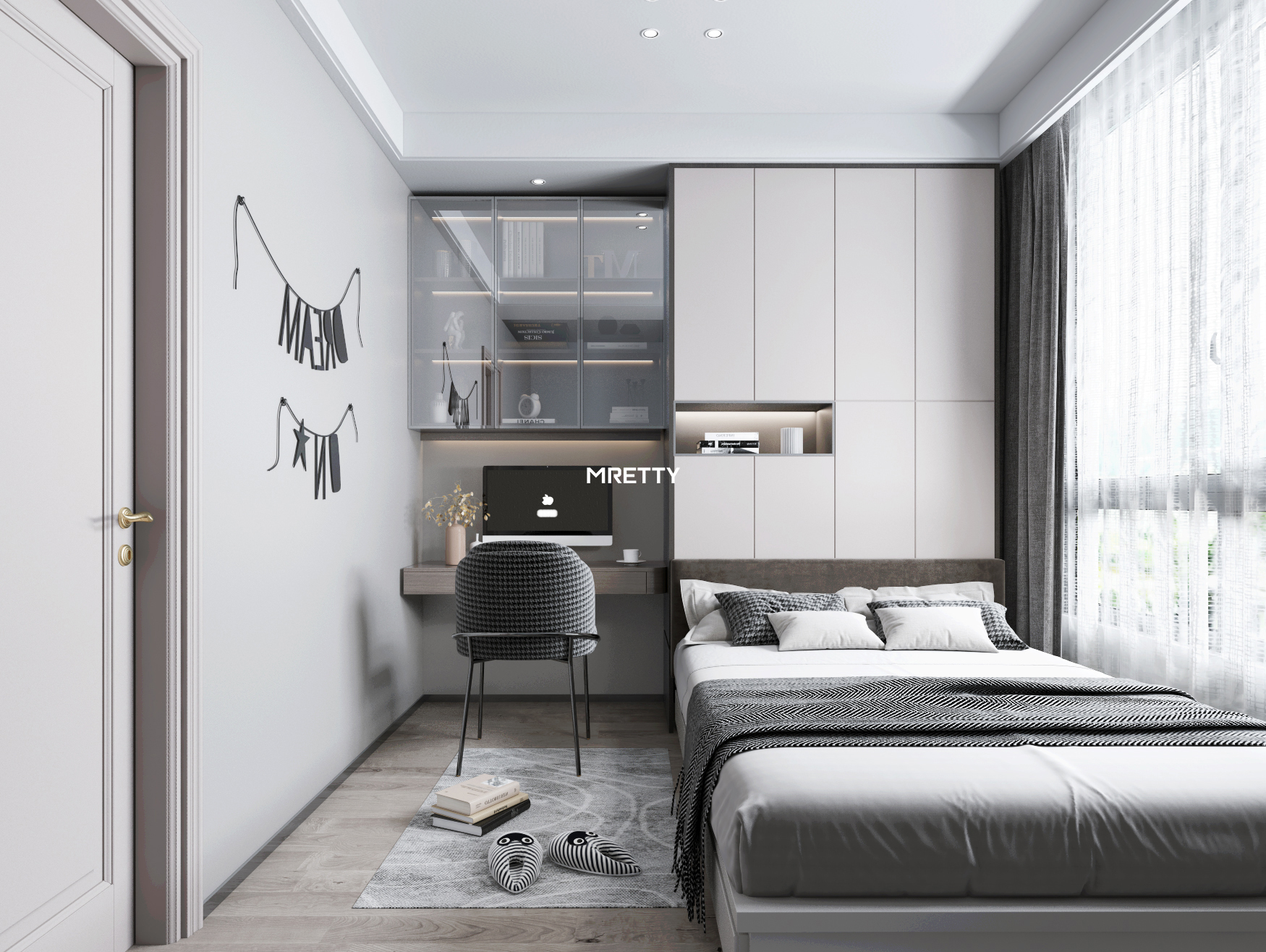
Popular Woods and Techniques in Contemporary Design
The choice of wood and the techniques used to shape it are crucial in defining the character of a piece. Contemporary designers favor woods with interesting grain patterns and rich, natural colors.
Cherished Wood Species
Walnut: Prized for its deep, rich brown color and complex grain, walnut exudes a sense of luxury and sophistication. It is a popular choice for statement pieces like dining tables and credenzas.
Oak: Versatile and durable, oak is a perennial favorite. White oak, with its light, neutral tone and linear grain, is particularly popular in contemporary interiors for its airy and modern feel.
Maple: Known for its light, creamy color and subtle grain, maple brings a sense of brightness and simplicity to a space. It is often used for cabinetry and minimalist furniture.
Ash: Similar in color to maple but with a more prominent and expressive grain, ash is a strong and flexible wood that lends itself well to curved forms.
Teak: Traditionally used for outdoor furniture due to its natural weather resistance, teak's warm, golden-brown hue and durability have made it a popular choice for indoor pieces, particularly those with a Scandinavian or Mid-Century influence.
Innovative Craftsmanship and Techniques
Contemporary furniture making blends age-old craftsmanship with modern technology.
Veneering: High-quality veneers allow designers to use exotic and beautifully figured woods in a more sustainable way. Thin slices of wood are applied to a stable core, creating stunning surfaces with consistent grain patterns.
Bentwood and Lamination: Techniques pioneered by designers like Alvar Aalto and the Eameses are still widely used. Layers of wood veneer are glued together and molded into elegant, organic curves, creating chairs and tables that are both strong and visually light.
CNC Machining: Computer-controlled cutting allows for incredible precision, enabling designers to create complex shapes and intricate joinery that would be difficult or impossible to achieve by hand.
Live Edge: The practice of leaving the natural edge of the wood slab intact has become a popular feature. A live-edge table or shelf brings a raw, organic, and sculptural element into the home, ensuring each piece is truly one-of-a-kind.
Sustainability: An Ethical Core
A profound respect for nature is at the heart of contemporary wood furniture design. This extends beyond aesthetics to a deep commitment to sustainability and ethical sourcing. Discerning consumers and responsible manufacturers alike understand that true luxury includes environmental stewardship.
MRETTY is dedicated to this principle, sourcing materials from responsibly managed forests. This commitment is often validated by certifications like the Forest Stewardship Council (FSC). An FSC certification ensures that the wood used in a piece of furniture comes from a forest that is managed to preserve biological diversity and benefit the lives of local people and workers, while ensuring it sustains economic viability.
Choosing sustainably sourced furniture means you are not only investing in a beautiful piece for your home but also contributing to the health of our planet for future generations. It is a choice that aligns with a modern, conscientious lifestyle.
Integrating Contemporary Wood Furniture into Your Home
Bringing the elegance of contemporary wood furniture into your interior is about creating balance and harmony.
Start with a Statement Piece: A beautifully crafted walnut dining table, a sleek oak media console, or a live-edge coffee table can serve as the anchor for a room. Build the rest of your decor around this central element.
Mix Materials and Textures: The warmth of wood pairs beautifully with other materials. Contrast a smooth wooden table with plush velvet chairs. Place a sleek wooden cabinet against an exposed brick wall. Combine wood with elements of metal, glass, and stone to create a rich, layered, and dynamic space.
Maintain a Cohesive Palette: Stick to a neutral color scheme to allow the furniture to stand out. Use textiles—rugs, cushions, and throws—to introduce subtle pops of color and texture.
Embrace Negative Space: Contemporary design appreciates the power of "less is more." Avoid overcrowding a room. Allow for open space around your furniture to let each piece breathe and be appreciated for its form.
Layer Your Lighting: Good lighting is essential. Combine ambient lighting (ceiling fixtures), task lighting (reading lamps), and accent lighting (spotlights on artwork or furniture) to create a warm and inviting atmosphere that highlights the beauty of the wood.
Choosing and Caring for Your Furniture
Investing in high-quality contemporary wood furniture is a decision that will bring you joy for years to come.
How to Choose
Examine the Craftsmanship: Look at the joinery. Are the joints tight and seamless? Dovetail and mortise-and-tenon joints are signs of high-quality construction.
Feel the Finish: The surface should be smooth and pleasant to the touch. A good finish not only protects the wood but also enhances its natural beauty.
Consider the Wood: Choose a wood that complements your existing decor and suits the piece's function. Hardwoods like oak and walnut are excellent for high-use items like tables.
Trust the Brand: Choose a company like MRETTY with a reputation for quality, bespoke design, and a commitment to sustainable practices.
How to Care
Regular Dusting: Use a soft, dry cloth to dust your furniture regularly.
Protect from Extremes: Keep wood furniture away from direct sunlight, which can cause fading, and heat sources, which can cause cracking.
Clean Spills Immediately: Use a damp cloth to wipe up spills, then dry immediately with a clean, soft cloth.
Use Coasters and Placemats: Protect surfaces from heat, moisture, and scratches.
Related Products at MRETTY
Explore our curated collections that embody the principles of contemporary design:
Bespoke Kitchen Systems: Discover kitchens where functionality and beauty merge in perfect harmony, with custom cabinetry and intelligent layouts.
Custom Wardrobes: Experience the luxury of a wardrobe designed to your exact specifications, blending seamless aesthetics with unparalleled organization.
Living and Dining Furniture: Elevate your shared spaces with our collection of dining tables, chairs, and consoles, crafted from the finest sustainable woods.
Customer Case Study: The Tan Residence
"We wanted our new home to feel open, warm, and modern. The team at MRETTY understood our vision perfectly. They designed a custom dining table in white oak that has become the heart of our home. The craftsmanship is impeccable, and the clean, minimalist design is exactly what we were looking for. They also created a full-wall media unit in a matching finish that provides incredible storage while looking like a piece of art. The entire process, from design to installation, was seamless." - Mrs. Evelyn Tan, Singapore
Frequently Asked Questions (FAQ)
Q1: Is contemporary wood furniture durable?
A: Absolutely. When crafted from high-quality solid woods or premium veneers by skilled artisans, contemporary furniture is built to last for generations. The focus on strong, simple construction adds to its longevity.
Q2: How can I mix different wood tones in one room?
A: The key is to choose woods with a similar undertone (warm, cool, or neutral). Select one dominant wood tone for the largest pieces, and use one or two other complementary tones for smaller accent pieces. A shared element, like a consistent finish (e.g., matte), can also help unify different woods.
Q3: Is contemporary furniture comfortable?
A: Yes. Despite its clean lines, contemporary design places a high value on ergonomics and comfort. Chairs are designed to support the body, and sofas are upholstered in high-quality, comfortable fabrics. It's a style designed for living in, not just for looking at.
Q4: Can contemporary wood furniture work in a small space?
A: It is ideal for small spaces. The clean lines, uncluttered feel, and use of lighter-colored woods can make a room feel larger and more open. Pieces with slender legs also create a sense of spaciousness by showing more floor area.
Contemporary wood furniture design is more than a fleeting trend; it is an enduring philosophy that celebrates the perfect synthesis of nature and human ingenuity. It offers a path to creating spaces that are not only beautiful and functional but also serene and deeply personal. With its commitment to exceptional craftsmanship, sustainable practices, and timeless design, a company like MRETTY doesn't just sell furniture—it provides the essential elements for a life well-lived.
As a leader in bespoke design, MRETTY is committed to using materials sourced from FSC-certified forests, ensuring your beautiful home does not come at the expense of our planet. Embrace the elegance and lasting beauty of wood.
Book a Free Consultation Now and begin the journey to transforming your space.
Written by: 潘俊麒 (Pan Junqi)
Lead Designer at MRETTY and recipient of the 2024 "Golden Grain" award for excellence in sustainable furniture design for his collection, "Urban Canopy."
MRETTY: Premium Bespoke Kitchen & Cabinet Systems Provider in Singapore.
