
Wood Furniture Refinishing Experts Singapore | MRETTY
Wooden furniture adds warmth, character and natural texture to Singapore homes. However, regular use, sunlight, moisture and changing indoor conditions can gradually affect its appearance. Scratches, fading, worn finishes and surface stains are common reasons homeowners consider wood furniture refinishing.
Understanding the condition of the wood, the type of existing finish and the intended use of the furniture is essential before deciding whether refinishing, repair or replacement is appropriate.
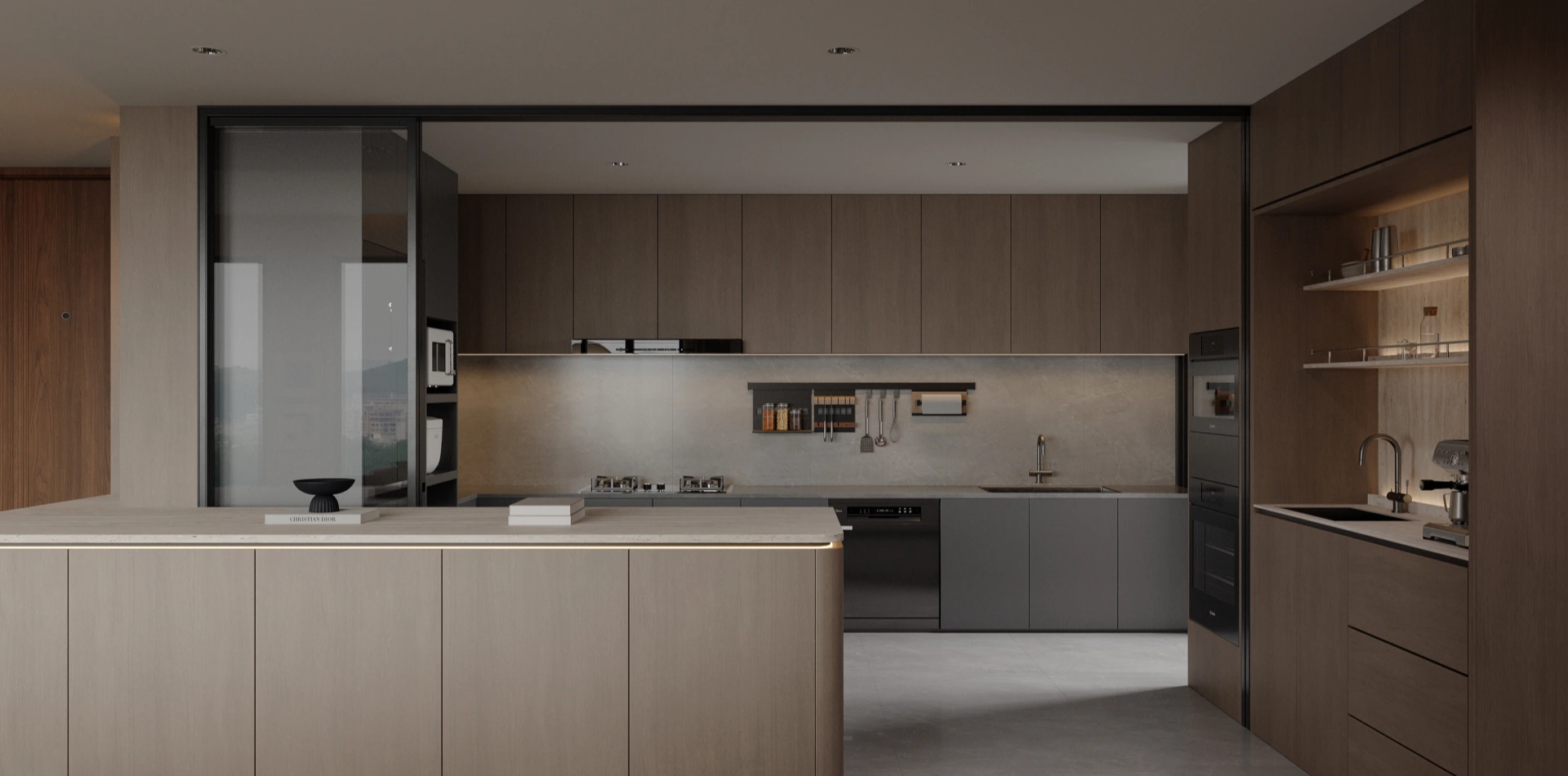
For homeowners planning a broader interior upgrade, MRETTY specialises in custom cabinetry and coordinated home solutions for Singapore condos, landed houses and other residential properties. Carefully selected wood finishes and tailored cabinetry can help create a consistent interior design.
Why Wood Furniture Refinishing Matters in Singapore
Singapore’s tropical climate presents particular considerations for wooden furniture. High humidity, occasional moisture exposure and variations in indoor ventilation may contribute to changes in wood movement, surface appearance and finish performance.
Depending on the material and construction, homeowners may notice:
- Surface fading: Prolonged sunlight exposure can affect the colour and appearance of certain wood finishes.
- Scratches and wear: Daily use may gradually damage protective coatings.
- Moisture-related changes: Some wooden components may expand, contract or distort when exposed to changing moisture conditions.
- Surface staining: Spills, cleaning products and prolonged contact with moisture may leave visible marks.
- Finish deterioration: Existing coatings may lose their original appearance or protective properties over time.
Not every issue requires complete refinishing. Minor surface wear may be addressed through suitable maintenance, while more extensive damage may require professional assessment or replacement of affected components.
How Does the Wood Furniture Refinishing Process Work?
The appropriate refinishing method depends on the type of wood, the existing surface treatment and the extent of the damage. A typical professional assessment may involve the following stages.
1. Wood and Surface Assessment
The process begins by identifying the wood species, surface coating, construction details and visible damage. This helps determine whether the furniture is suitable for refinishing and which methods may be appropriate.
2. Surface Preparation
Cleaning, light sanding or removal of an existing finish may be necessary, depending on the furniture’s condition. Care should be taken when working with wood veneer, decorative details and older furniture, as aggressive surface removal may cause additional damage.
3. Colour and Finish Selection
Stains, oils, lacquers and other finishes offer different visual effects and maintenance requirements. The selected treatment should suit the material, desired appearance and intended use.
For homeowners concerned about indoor air quality, it is worth reviewing product information, application requirements and available emissions documentation rather than relying on broad environmental claims.
4. Protective Surface Treatment
Suitable coatings may help improve resistance to everyday wear and occasional moisture exposure. However, no surface finish can eliminate every risk associated with humidity, standing water or inappropriate maintenance.
5. Final Inspection and Maintenance Guidance
Once the treatment is complete, the surface should be assessed for appearance, consistency and suitability for use. Homeowners should also understand any curing requirements and recommended cleaning practices.
Refinishing or Replacing Wooden Furniture: Which Is Better?
Refinishing is not necessarily the best solution for every piece of furniture. The decision should consider structural condition, material quality, design preferences and the extent of the required work.
| Consideration | Wood Furniture Refinishing | Custom Furniture or Cabinetry Replacement |
|---|---|---|
| Primary Purpose | Refresh or restore an existing wooden surface | Create a new design or improve functionality |
| Design Flexibility | Usually limited by the original furniture construction | Allows greater flexibility in dimensions, finishes and storage configuration |
| Material Condition | Most suitable when the underlying structure remains serviceable | May be more appropriate when existing components are extensively damaged |
| Space Optimisation | Generally retains the original dimensions and layout | Can be tailored to room dimensions and storage requirements |
| Visual Coordination | Can refresh the appearance of existing furniture | Can coordinate cabinetry across multiple rooms |
| Project Considerations | Depends on surface condition and restoration complexity | Depends on design scope, materials, manufacturing and installation requirements |
For a well-constructed wooden table or cabinet with mainly cosmetic damage, refinishing may be worth exploring. Where the furniture no longer meets the household’s storage, layout or design needs, a customised replacement may provide a more practical long-term solution.
Wood Finishes and Materials for Singapore Homes
When selecting wooden furniture or cabinetry for Singapore homes, it is important to consider both aesthetics and everyday performance.
Solid Wood
Solid wood offers natural grain variation and a distinctive appearance. Its behaviour can vary according to wood species, construction and environmental conditions, making appropriate finishing and maintenance important.
Wood Veneer
Wood veneer provides the appearance of natural timber over a supporting substrate. It is frequently used in furniture and cabinetry where a consistent design language and natural wood aesthetics are desired.
Engineered Wood Panels
Engineered wood products are available in different grades and specifications. Their suitability depends on factors such as substrate construction, intended application, edge treatment and exposure conditions.
Decorative Laminates and Other Finishes
Decorative laminates and selected surface materials can offer a range of colours, textures and maintenance characteristics. Homeowners should compare samples and technical specifications to choose finishes suited to kitchens, wardrobes, living areas and other spaces.
For whole-home projects, coordinating these materials across different rooms can help establish a cohesive interior appearance.
Practical Wood Furniture Care Tips for Singapore’s Climate
Appropriate maintenance can help preserve the appearance of wooden furniture and cabinetry.
- Manage indoor moisture: Maintain suitable ventilation and address leaks or condensation promptly.
- Clean spills promptly: Avoid leaving standing water on wooden surfaces or near exposed panel edges.
- Use appropriate cleaning products: Follow the manufacturer’s recommendations and avoid abrasive cleaning methods.
- Reduce prolonged direct sunlight: Consider curtains, blinds or furniture placement to manage excessive sun exposure.
- Inspect frequently used areas: Pay attention to cabinet edges, joints, hinges and surfaces exposed to moisture.
- Seek specialist advice when necessary: Significant warping, structural damage or suspected pest activity may require professional assessment.
Maintenance requirements vary by material and finish, so general care advice should not replace product-specific guidance.
Coordinating Wooden Furniture with Whole-Home Custom Cabinetry
Wood furniture refinishing can refresh individual pieces, but homeowners undertaking a larger renovation may also want to reconsider how cabinetry, doors, wall finishes and furniture work together.
MRETTY focuses on premium custom cabinetry and integrated home design solutions for Singapore residences. Its customisation scope includes kitchen cabinetry, wardrobes, living room storage, bathroom vanities, dining cabinetry and selected door and wall systems.
For condo interiors, carefully planned cabinetry can help make use of available wall space and support organised storage. In landed houses, coordinated finishes and tailored cabinetry can connect larger living areas, kitchens, bedrooms and dressing spaces.
Design considerations may include:
- Consistent material palettes: Coordinating wood tones, textures and finishes across different spaces.
- Tailored storage: Designing cabinet interiors around household routines and belongings.
- Integrated detailing: Considering cabinetry, wall panels, doors and architectural features together.
- Custom dimensions: Adapting cabinetry to the property’s measurements and layout.
- Material suitability: Selecting finishes and construction details according to their intended application.
These considerations help homeowners move beyond individual furniture decisions toward a more coordinated interior design.
When Should You Consider Custom Cabinetry Instead of Refinishing?
Replacing existing furniture or cabinets may be worth considering when:
- The existing structure is significantly damaged or no longer practical to repair.
- Storage capacity does not meet the household’s needs.
- Cabinet dimensions do not suit a new room layout.
- Multiple spaces require a consistent material and design approach.
- The homeowner is planning a kitchen renovation or wider home upgrade.
- Existing cabinetry no longer suits the preferred interior style.
For homeowners considering a more comprehensive transformation, bespoke cabinetry provides opportunities to coordinate storage, appearance and functionality across the home.
Conclusion: Choosing the Right Approach for Your Home
Wood furniture refinishing can be a practical option for refreshing suitable existing pieces, particularly when the underlying construction remains in good condition. The most appropriate method depends on the material, type of damage, finish requirements and intended use.
For larger interior upgrades, custom cabinetry offers a different approach by allowing homeowners to reconsider storage, dimensions, materials and visual coordination throughout the property.
Planning a custom cabinetry project in Singapore? Explore MRETTY’s whole-home custom cabinetry solutions or contact the MRETTY team on WhatsApp to discuss your property, design preferences and project requirements.
Frequently Asked Questions
Is wood furniture refinishing suitable for Singapore’s humid climate?
Wood furniture can be refinished in Singapore, but the suitability of the treatment depends on the wood type, existing condition and selected finish. Appropriate maintenance and moisture management remain important after refinishing.
Can damaged wooden cabinets be refinished instead of replaced?
Some cabinets with cosmetic surface damage may be suitable for refinishing. However, significant structural deterioration, moisture damage or unsuitable construction may make repair or replacement a more practical option.
What is the difference between refinishing and custom cabinetry?
Refinishing focuses on improving the appearance of existing wooden surfaces. Custom cabinetry involves designing and manufacturing cabinets to suit specific dimensions, storage needs, materials and interior preferences.
What materials are suitable for custom cabinetry in Singapore?
Common options include engineered wood panels, wood veneers, decorative laminates and selected solid wood components. Material selection should consider the room’s function, moisture exposure, maintenance requirements and desired appearance.
Does MRETTY provide whole-home custom cabinetry in Singapore?
Yes. MRETTY provides custom cabinetry and coordinated home solutions for Singapore condos, landed houses and other residential properties. Homeowners can discuss kitchen cabinetry, wardrobes, living room storage, bathroom vanities and related customisation requirements with the team.